


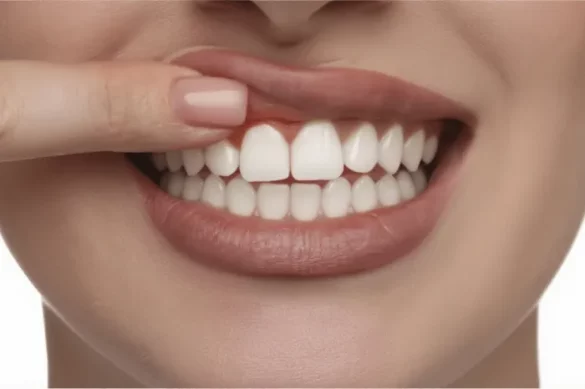
Periodontal disease, commonly known as gum disease, is a major health concern affecting millions of adults in the UK. Many people ask if it is possible to reverse periodontal disease naturally. While the answer depends on the stage of the disease, there are effective strategies that can promote gum health, especially when started early and followed consistently. This article will explore natural approaches to reversing periodontal disease, focusing on practical, science-based actions for individuals in the UK.
Understanding the Stages of Periodontal Disease
Periodontal disease progresses through distinct stages. Understanding these stages helps clarify what can realistically be reversed and what needs to be managed for long-term health.
Gingivitis: The Early, Reversible Stage
Gingivitis is the first stage of periodontal disease. It usually develops due to plaque build-up on teeth, causing gum inflammation, redness, swelling, and bleeding during brushing. The encouraging news is that gingivitis does not involve permanent damage to the bone or soft tissues supporting your teeth. This means gingivitis is fully reversible with proper care.
Periodontitis: The Advanced, Manageable Stage
If gingivitis is left untreated, it can progress to periodontitis—a more severe form of gum disease. Periodontitis causes loss of supporting bone and connective tissue. At this stage, the damage cannot be entirely reversed because the lost bone and tissue do not regenerate naturally. However, further progression can often be stopped, and the condition can be managed with diligent care.
Identifying Signs of Periodontal Disease
Early detection is crucial for successful natural intervention. Watch for these signs:
- Bleeding gums when brushing or flossing
- Swollen, red, or tender gums
- Bad breath or a persistent bad taste
- Gum recession (teeth appearing longer)
- Loose or shifting teeth
If you notice these symptoms, seek advice from a dental professional promptly.
Natural Strategies for Periodontal Health
Adopting a holistic approach can support gum health at every stage. Here are natural, evidence-based steps to help reverse gum disease, particularly in its early phases:
1. Excellent Daily Oral Hygiene
Thorough dental care is the foundation of periodontal health. Brush your teeth at least twice a day with fluoride toothpaste. Use a soft-bristled brush and gentle, circular motions to avoid damaging your gums. Floss daily to remove plaque and debris from between your teeth, where your toothbrush cannot reach. Consider using an antibacterial mouthwash to reduce bacteria in hard-to-reach areas.
2. Regular Professional Check-ups and Cleanings
Natural approaches work best alongside professional support. Attend dental check-ups every six to twelve months, or as recommended. Professional cleaning removes tartar (hardened plaque) that cannot be cleaned at home. Early detection by your dentist allows for prompt and more effective treatment.
3. Nutritional Support
Your diet has a major impact on your gum health. Limit sugary foods and drinks, which feed the bacteria that cause gum disease. Focus on a balanced diet rich in:
- Fresh vegetables and fruit (especially high in vitamin C for gum healing)
- Calcium sources such as dairy or fortified plant milks (to strengthen teeth)
- Whole grains, nuts, and seeds
Research suggests that a diet low in sugar and processed foods reduces gum inflammation. Increasing vegetable intake can also improve healing outcomes for your gums.
4. Proper Hydration
Drink plenty of water throughout the day. Water supports saliva production, which naturally cleanses your mouth and reduces harmful bacteria. Staying well-hydrated also helps wash away food particles that can lead to plaque formation.
5. Lifestyle Choices
Certain lifestyle changes play a substantial role in managing gum disease naturally:
- Avoid tobacco in all forms, as it impairs the immune response and slows healing in your gums.
- Manage stress, as chronic stress may raise inflammation and lower immune defences, making gum disease more likely to worsen.
- Maintain a healthy weight, since obesity is linked to higher risks of gum disease and slow healing.
6. Natural Remedies for Gum Support
Some natural remedies may complement standard care, especially for mild gum issues or maintenance. Always consult your dentist before trying these:
- Oil pulling: Swishing coconut or sesame oil in your mouth for up to 20 minutes can help reduce bacteria. Scientific support is limited but some people find it helpful.
- Saltwater rinses: Rinsing your mouth with a warm salt water solution can reduce minor gum swelling and promote healing.
- Aloe vera gel: Applying a small amount to inflamed gums may help soothe tissue due to its anti-inflammatory properties.
Remember, these should never replace professional care but may be added to your routine with your dentist’s approval.
7. Attention to Tooth Alignment
Properly aligned teeth are easier to clean, reducing the risk of plaque build-up and gum disease. Misaligned teeth can create spaces where bacteria thrive, making it harder to maintain gum health. Orthodontic assessment may be useful, especially if you have recurring gum issues despite good hygiene.
Preventing Disease Progression and Recurrence
If you have already experienced gum disease, natural methods should focus on preventing further damage and supporting tissue health. Be especially vigilant in continuing excellent oral hygiene, attending regular check-ups, and following your dentist’s advice. Consistency is key for long-term periodontal health.
The Limits of Natural Approaches
While natural strategies can reverse early stage gum disease (gingivitis) and help maintain healthy gums, more advanced periodontitis typically requires professional dental treatment. Non-surgical therapies such as scaling and root planing (deep cleaning), and sometimes surgical procedures, may be necessary for severe cases. Combining professional intervention with natural approaches delivers the best long-term results.
Conclusion
In the UK, many people will experience some form of periodontal disease during their lives. The good news is that gingivitis, the earliest stage, is fully reversible with natural care and healthy daily habits. Advanced periodontal disease cannot be reversed naturally, but its progression can be controlled by combining consistent dental care, a healthy lifestyle, and professional support. Early action makes all the difference—look for signs, seek timely help, and establish a routine that includes a balanced diet, hydration, and proper oral hygiene.
FAQs
Can you cure periodontal disease naturally?
You can reverse the very early stage (gingivitis) with diligent home care and healthy lifestyle changes. Advanced stages require professional help, but natural strategies are valuable for ongoing support and prevention.
What foods help heal gum disease?
Foods rich in vitamin C, such as peppers and citrus fruits, as well as calcium-rich foods, nuts, seeds, and leafy greens, support gum health and healing.
How often should I visit the dentist?
Most people should see a dentist every 6–12 months. If you have gum disease or risk factors, more frequent visits may be needed.
Are natural remedies alone enough?
For mild gum problems, some natural remedies may assist healing. However, professional dental care is necessary for advanced gum disease. Always consult your dentist for the best approach.