


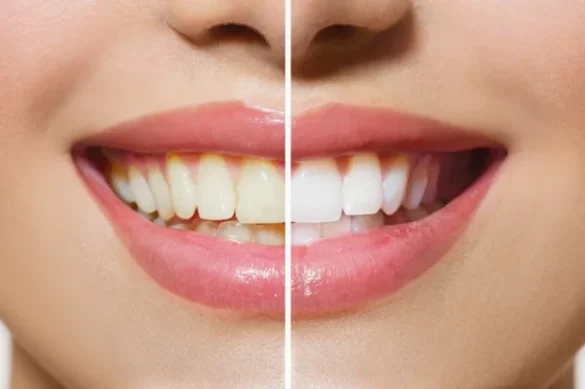
Activated charcoal teeth whitening has surged in popularity, largely thanks to social media and claims from manufacturers. Many people are curious about how this method works, the risks involved, and most importantly, when it is appropriate to use charcoal-based whitening products. This article explores the science behind charcoal teeth whitening, safe practices, and the best scenarios for its use.
What Is Activated Charcoal?
Activated charcoal is a fine black powder made from materials like coconut shells or wood that have been heated at high temperatures. This process creates pores that give activated charcoal its ability to trap chemicals and particles. While traditionally it has been used for medical and cosmetic purposes, its use in dental care has drawn increasing attention.
How Does Charcoal Whiten Teeth?
The whitening effect of activated charcoal comes from its porous structure. These pores bind with surface stains and plaque on the teeth, making it easier to remove them. When applied to teeth, charcoal absorbs unwanted substances on the enamel’s surface such as residues from coffee, tea, wine, or tobacco. After letting the paste sit for a few minutes, rinsing and brushing will take away the charcoal along with the attached stains.
However, it is important to note that charcoal does not change the deep color of teeth or lighten natural yellowing. It only works on external discolorations. For stains that are inside the tooth or caused by genetics, professional treatments like bleaching are typically more effective.
Advantages of Charcoal Teeth Whitening
1. Fast Surface Cleaning
Activated charcoal is effective at quickly removing surface debris and stains. This can result in visibly cleaner teeth after just one session, making it attractive for people looking for immediate results.
2. Simple Process
Anyone can prepare a paste at home with charcoal tablets and water, making the method accessible and easy for many.
3. Natural Ingredients
Charcoal is generally considered natural and is often preferred by those seeking alternatives to chemical whitening agents.
When to Use Charcoal Teeth Whitening
In order to maximize benefits and minimize risks, charcoal teeth whitening should be used in specific situations:
1. When You Have Surface Stains
Charcoal whitening is best for individuals with minor surface stains caused by food, drinks, or tobacco. If you notice coffee or tea stains on your teeth, charcoal can help lift these effectively.
2. For Occasional Use
Because charcoal is abrasive, it should not be used daily. Occasional use — such as before a special event or once or twice a week — is generally considered safe for those with healthy teeth and gums.
3. When You Want Quick Cosmetic Results
If you are looking for a temporary boost in brightness for your smile, charcoal whitening can provide quick results, although they are not as dramatic as professional bleaching.
4. As a Supplement to Routine Cleaning
For those who already follow a good oral hygiene routine, charcoal can be an extra step for removing stubborn surface particles, but should not replace regular brushing or flossing.
When NOT to Use Charcoal Teeth Whitening
1. If You Have Sensitive Teeth or Gum Disease
People with sensitive teeth, gum disease, or oral wounds should avoid charcoal whitening, as the abrasive powder may further aggravate these conditions.
2. When Deeper Stains Are the Problem
Charcoal does not address deep internal stains, so if your discoloration is caused by trauma, medication, or genetics, this method will not deliver satisfactory results.
3. If You Have Thin Enamel
Repeated use can erode enamel. Individuals with naturally thin or damaged enamel should skip charcoal whitening to prevent further weakness and sensitivity.
4. Children and Adolescents
Younger individuals whose teeth are still developing should not use charcoal whitening unless specifically advised by a dental professional.
How to Use Charcoal Teeth Whitening Safely
1. Prepare the Paste
Activated charcoal is commonly sold in tablet or powder form. Crush one to two tablets into a fine powder and mix with a small amount of water to create a thick paste.
2. Apply Gently
Using a soft-bristled toothbrush or finger, dab the charcoal paste gently onto your teeth. Avoid rubbing harshly, as this can damage the enamel.
3. Wait Briefly
Let the paste sit for about two to three minutes. This allows time for the charcoal to bind with surface stains.
4. Rinse Thoroughly
After waiting, rinse your mouth several times to remove all charcoal residue. Follow with regular brushing using toothpaste to remove any leftover particles.
5. Don’t Overuse
Limit usage to once per week or as recommended by your dentist. Overuse can lead to enamel erosion and increased sensitivity.
Potential Risks and Considerations
1. Enamel Damage
Charcoal is mildly abrasive. Frequent or aggressive use can wear away enamel, leading to sensitivity and a higher risk of cavities.
2. Messiness
Charcoal paste is dark and can be messy to handle. Take care to avoid staining clothes or bathroom surfaces while preparing and applying.
3. Lack of Deep Whitening
Charcoal only removes surface stains. For more significant discoloration, professional dental treatments are preferred.
4. Results Vary
Some people notice visible results after one use, while others may see little change. Factors like tooth type, stain severity, and application method influence success.
Consulting Your Dentist Is Crucial
Before beginning charcoal teeth whitening, speak with your dentist. They can assess whether this treatment is right for you and provide guidance on safer use. Dentists may suggest alternative whitening methods for people with specific dental concerns or those seeking deeper whitening effects.
Conclusion
Charcoal teeth whitening is a popular option for removing surface stains and giving teeth a quick cosmetic lift. It works best for people with healthy teeth looking for mild improvements. However, its abrasive nature means it is not suitable for everyone, especially those with sensitivity or deep stains. Always limit usage, use gentle techniques, and consult a dental professional before trying charcoal whitening. Remember, long-term oral health is more important than fast cosmetic results.
FAQs
1. Does charcoal teeth whitening whiten teeth permanently?
No, charcoal whitening offers temporary improvement by removing surface stains. It does not alter the natural color or deeply rooted stains.
2. Is it safe to use charcoal teeth whitening every day?
No, daily use can erode tooth enamel. Limit use to once a week or less, based on your dentist’s advice.
3. Can children use charcoal teeth whitening?
Charcoal whitening is not recommended for children, as their enamel is thinner and more susceptible to damage.
4. Does charcoal teeth whitening work on all types of stains?
Charcoal is effective only for surface stains, not for stains within the tooth or those caused by genetics or medication.
5. Should I use charcoal teeth whitening if I have sensitive teeth?
People with sensitive teeth should avoid charcoal whitening due to its abrasive nature, which may increase sensitivity.