


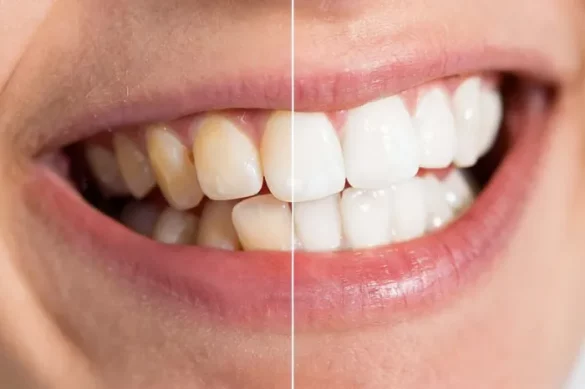
When people look in the mirror and see yellow teeth, it’s common to worry about oral health or wish for a brighter smile. On the other hand, pure white teeth have become a popular beauty ideal, seen in advertisements and social media. However, does the color of your teeth really reflect how healthy they are? Are white teeth truly healthier than yellow teeth, or is this belief a myth?
What Determines Tooth Color?
Tooth color comes from the combination of enamel and dentin. The outer layer, called enamel, is usually slightly translucent and white. Underneath is dentin, which is naturally yellowish. As a person ages or if the enamel wears down, the yellow dentin can show through more clearly, making the teeth appear less white. Genetics also play a strong role. Some people naturally have thicker or more translucent enamel, changing the way their teeth look.
The foods and drinks you consume, as well as habits like smoking, can cause stains and affect tooth color. These external stains are different from natural yellowing of the teeth caused by age or genetics.
White Teeth: Are They Really Healthier?
Many people equate white teeth with health. Smooth, bright smiles can signal cleanliness and good habits. But having white teeth does not always mean your teeth are strong or free from problems. Teeth can be white and still have issues such as enamel erosion, cavities, or gum disease that do not affect color right away.
Some whitening procedures may produce extremely white teeth, but these treatments often use strong chemicals that can weaken enamel over time. Thin or damaged enamel can make teeth sensitive to hot and cold, and more vulnerable to decay. In fact, overly white teeth achieved with aggressive whitening might not indicate health at all, but instead, risk of damage.
Yellow Teeth: Natural and Healthy?
Yellow teeth are common and can actually be a sign of strength, especially if the yellow shade comes from dentin showing through healthy enamel. Multiple studies show that natural yellow teeth often have thicker, stronger enamel compared to artificially whitened teeth. The yellow color is a result of natural anatomy, not necessarily poor hygiene or disease.
Yellow teeth do not automatically mean bad oral health. Many people with healthy gums, no cavities, and strong enamel have teeth that are slightly yellow. Soft yellowing can be as healthy as white if the enamel is intact and mouth hygiene is good. Problems only arise if the yellowing comes with other symptoms like sensitivity, bleeding gums, or bad breath, which can signal decay or gum issues.
Common Myths About Teeth Color
It is a myth that only white teeth are healthy. This misunderstanding is fueled by advertising and celebrity culture. Tooth color varies widely among healthy individuals. Extremely bright smiles are rare in nature and often the result of cosmetic procedures, not genetics. People may feel pressure to whiten their teeth, but it’s important to know that good oral health has nothing to do with shade alone.
Yellow teeth can be strong, especially if yellowing happens with age or genetics. Unless yellowing is accompanied by discomfort, sudden color change, or signs of gum disease, it should not be a cause for alarm.
Factors That Cause Teeth to Be Yellow
Several factors can influence yellowing:
- Age: As we age, enamel wears down and more dentin shows.
- Genetics: Some people naturally have yellower teeth.
- Food and Drink: Coffee, tea, red wine, and certain fruits can stain teeth.
- Smoking: Nicotine and tar cause deep stains.
- Poor Oral Hygiene: Plaque and tartar buildup make teeth appear yellow.
It’s crucial to distinguish between external stains and normal yellowing due to aging or genetics.
What Color Are Healthy Teeth?
Healthy teeth can range in color:
- Light grayish-white: Often seen in young people with strong enamel
- Off-white: Common as enamel thins with age
- Slightly yellow: Normal due to dentin beneath enamel
- Bright white: Can look healthy but could be over-whitened
- Dark yellow: May signal plaque buildup or dietary stains
- Brownish/grayish: Signs of smoking, poor hygiene, or medical trauma
Small spots (black, white, blue) may signal problems and should be checked by a dentist.
Signs You May Need a Dentist
Yellow teeth on their own are usually not a concern. However, see a dentist if you notice:
- Sudden yellowing with no improvement
- Sensitivity to temperature
- Swollen or bleeding gums
- Persistent bad breath
These signs could mean enamel erosion, decay, or gum disease.
Whiteness: Cosmetic or Health Indicator?
Most whitening products focus on appearance, not health. While professional cleaning can remove surface stains, only proper oral hygiene prevents decay and disease. Excessive whitening can harm enamel and make teeth weaker. If you opt for whitening, choose safe methods under dental supervision.
Good Oral Hygiene: The Real Key to Healthy Teeth
Oral hygiene is the most important factor for healthy teeth, regardless of color. Brushing, flossing, and regular dentist visits prevent disease and keep enamel strong. Avoiding sugary foods, smoking, and excessive acidic drinks will protect both color and strength of your teeth.
Conclusion
The color of your teeth—whether white or yellow—does not determine how healthy they are. Many people with yellow teeth have stronger enamel than those with artificially white teeth. The myths around bright white smiles are mostly cosmetic and not based on dental science. Focus on hygiene, regular checkups, and listening to your dentist. Natural tooth color can vary, but healthy teeth are clean, strong, and pain-free.
FAQs
Is it normal to have yellow teeth?
Yes. It is natural for teeth to have a slight yellow tint due to dentin below the enamel.
Can yellow teeth be healthy?
Absolutely. If there are no symptoms like pain or bleeding gums and the enamel is strong, yellow teeth are perfectly healthy.
Does whitening damage teeth?
Frequent, aggressive whitening can weaken the enamel, making teeth sensitive and more prone to decay.
Should I visit a dentist for yellow teeth?
Only if the yellow is sudden or comes with pain, sensitivity, or gum issues. Otherwise, yellow teeth alone are nothing to worry about.
How can I keep my teeth healthy?
Practice good hygiene: brushing, flossing, limiting stains, and visiting your dentist regularly.