


When you discover a cavity in your tooth, it can be a worrying experience, especially if you cannot get to a dentist straight away. Many people wonder what they can use to temporarily fill a cavity to avoid pain and protect the tooth. Luckily, there are short-term solutions available that can help until you are able to see a dental professional.
Understanding Dental Cavities and Their Risks
A dental cavity is a hole that forms in a tooth when the enamel is damaged by decay. Bacteria feed on sugars in your mouth and release acids. These acids erode the tooth enamel and, over time, cause cavities. Cavities can become painful or more serious if untreated. They may lead to infection or tooth loss if not addressed. Temporary fillings are only a stopgap; they do not cure decay or infection.
Why Professionals Should Handle Filling Cavities
Dentists have the proper skills and materials to clean and fill cavities. Professional treatment ensures the cavity is fully cleaned, sealed, and protected against further infection. A dentist will check for signs of deeper decay or gum involvement, which temporary solutions cannot address. However, in emergency situations where you cannot visit a dentist immediately, temporary fillings can prevent further damage until professional care is available.
What You Can Use to Temporarily Fill a Cavity
Pharmacy Temporary Filling Kits
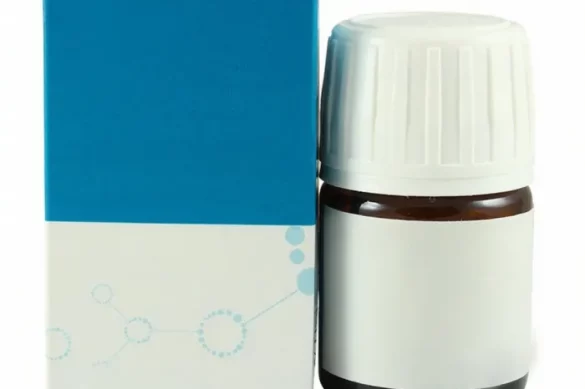
The most reliable over-the-counter solution is a temporary filling kit. These kits are sold in pharmacies. Products like Dentemp contain a premixed putty or paste that can be applied to the cavity. They are specifically designed for dental emergencies and are relatively safe to use for short periods. Most kits come with instructions that are easy to follow. Temporary fillings from these kits usually last one to two days. They are not a substitute for dental treatment, and you must plan to visit a dentist as soon as possible.
Dental Wax or Orthodontic Wax
Dental wax is available at most pharmacies. It is soft and safe for the mouth. You can use it to cover a jagged or broken area on a tooth, but it does not seal or protect the cavity as fully as filling kits. Wax should only be used for very short times and is more of a protective measure than a true filling.
Sugar-Free Gum as a Last Resort
In extreme cases, and if nothing else is available, chewing sugar-free gum and gently pressing it into the cavity can provide a temporary seal. This is not a suitable or recommended method for more than a few hours. Sugar-free gum keeps out some bacteria and air, which may reduce discomfort, but it does not protect the tooth from infection or further harm.
How to Apply a Temporary Filling Safely
Proper application is important to reduce the risk of trapping bacteria and making the problem worse. Always wash your hands before beginning. If possible, gently clean the area by rinsing your mouth with warm water. Do not use sharp tools or force anything into the cavity. Read and follow the instructions on the product packaging carefully. If you are using pharmacy kit putty, use a small amount and gently push it into the cavity with the included applicator or a clean finger. Smooth the surface and avoid eating or drinking for at least 30 minutes afterward. Temporary fillings are fragile and may come out easily.
Risks and Limitations of DIY Temporary Fillings
While temporary fillings can offer relief, they come with risks. If the filling material is placed incorrectly, bacteria may become trapped inside the cavity. This can worsen decay or lead to infection. Temporary fillings are not meant to treat broken teeth, deep decay, or cavities with symptoms like swelling or fever. If you experience any signs of infection, such as pain that spreads, gum swelling, or fever, seek emergency dental care immediately. Do not rely on temporary fillings for more than a few days. Delays in proper treatment can cause tooth loss or more complex dental problems.
Care Tips After Placing a Temporary Filling
After placing a temporary filling, avoid chewing hard foods on the affected side. Stick to soft foods for a day or two. Brush gently around the area, being careful not to dislodge the filling. Use a mouthwash to help reduce bacteria, if available. Monitor the tooth for pain, swelling, or changes in color. If you notice the filling has come loose, place a new one using the same instructions until you can get professional care. It is critical that you make an appointment with a dentist as soon as possible after using a temporary filling.
Why Prompt Dental Treatment Is Essential
Temporary solutions only buy you time. They cannot treat the decay or restore the tooth’s structure fully. Professional dental fillings restore the tooth, prevent further decay, and relieve pain reliably. Dentists use specialized materials and tools to make sure the cavity is cleaned and sealed properly. Delaying professional care risks complications such as infection, gum disease, or even tooth loss. Always treat a temporary filling as a very short-term fix.
Conclusion
If you find yourself with a cavity and cannot get immediate dental help, pharmacy temporary filling kits are the safest and most effective short-term solution. Dental wax or sugar-free gum can offer brief relief if nothing else is available, but these methods have serious limitations and risks. No home method can replace professional dental care. Always follow up with your dentist promptly to protect your oral health and prevent complications.
FAQs
Can I use household items to fill a cavity?
Household items, like tissue or bread, are unsafe and should never be used to fill a cavity. Only specially made dental products from a pharmacy are safe for temporary filling.
How long will a temporary filling last?
Most temporary fillings will last one to two days. They may fall out sooner with eating or drinking, and should not be considered a long-term solution.
Is a temporary filling painful?
A properly placed temporary filling should not be painful. If you have pain, it may mean the cavity is deep or infected and professional care is needed immediately.
Should I eat or drink with a temporary filling?
It is wise to avoid hard or sticky foods which can dislodge the filling. Choose soft foods and avoid chewing directly on the affected tooth.
When must I see a dentist after using a temporary filling?
Visit your dentist as soon as possible, ideally within a day or two. Temporary fillings are only meant to prevent further damage until professional treatment is available.