


Root canal treatment is a dental procedure that many people need to save a tooth and stop pain caused by infection or deep decay. Although it is a routine process, one question often concerns patients the most: how much will insurance pay for a root canal? Dental care can be expensive, especially in large cities, but insurance is designed to help manage those costs. To make smart financial decisions, it’s important to know exactly how insurance coverage works for root canal treatment, how much you may expect to pay out of pocket, and what factors can change those numbers.
What Is a Root Canal?
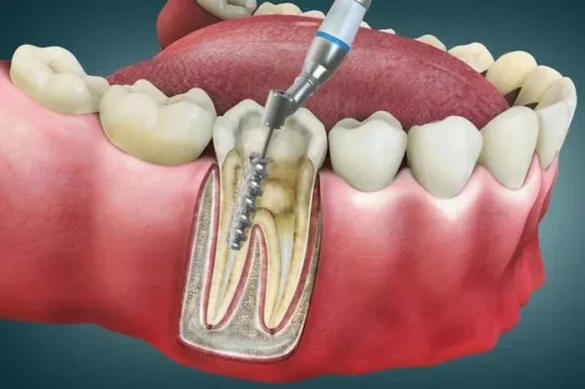
A root canal is a procedure that cleans out infected or damaged tissue from the inside of a tooth. The dentist removes the inner pulp, disinfects the area, then fills and seals the tooth to avoid further infection. Most people need a root canal when a tooth develops deep decay, cracks, or infection, which can cause severe pain and swelling. If untreated, the problem may get worse and lead to tooth loss or even spread infection to other parts of the body. Root canal treatment saves your natural tooth and restores dental health.
Root Canal Costs: What to Expect
The cost of a root canal varies by region and provider, but some patterns are common. In cities like New York, average costs without insurance can be high: a front tooth may cost $700 to $1,200; premolars run $800 to $1,500; and molars often cost $1,000 to $2,000 or more. These numbers only cover the basic root canal procedure. Often, a crown must be placed afterward to protect the tooth, which can add another $1,000 to $2,500 to your total bill. Costs differ based on tooth location (front teeth are cheaper, molars are more expensive), how complex treatment is, and where the provider office is located. Specialist providers tend to charge more, but they offer advanced skills for difficult cases.
Does Dental Insurance Cover Root Canal Treatment?
Dental insurance is meant to reduce your final out-of-pocket cost. Most dental plans do cover root canal treatment, since it is considered medically necessary and helps preserve natural teeth. However, coverage may not be the same for every patient or provider. Typically, insurance pays between 50% and 80% of the cost of root canal treatment, depending on the plan and the provider’s network status.
In-Network vs. Out-of-Network Coverage
Insurance plans divide providers into in-network and out-of-network categories. In-network dentists have agreements with insurance companies to offer set discounted rates. This benefits you, the patient, by lowering your total expenses. With in-network coverage, the insurance will usually pay a higher percentage (closer to 80%) of the root canal cost. Out-of-network providers do not have these agreements, so insurance may pay less—often only 50%—and you will need to cover more expenses out of pocket. For example, if your root canal costs $1,200, and you choose an in-network dentist and your plan pays 80%, you will only owe $240 out of pocket. But if the same procedure is done out-of-network and covered at 50%, you will owe $600.
Typical Coverage Percentages
Most dental insurance plans list exactly how much is covered for major procedures like root canal. The standard is 50% to 80%. However, insurers also pay closer to 80% for preventive or basic services, and less (around 50%) for specialized or extensive procedures. These percentages may change if your plan has different tiers or groups for services. Before treatment, check your plan summary, policy booklet, or call your insurer directly to understand your percentage.
Factors Affecting Insurance Coverage and Out-of-Pocket Expenses
Several factors can affect how much your insurance actually pays for a root canal:
Provider Network
As mentioned, in-network providers allow your insurance plan to pay more. Out-of-network providers leave you paying higher copays or fees.
Type of Dental Insurance Plan
The specific plan type makes a difference. HMOs usually require you to use network dentists and may offer lower premiums but fewer choices. PPOs offer more options and may allow partial coverage for out-of-network care, but you may face higher deductibles or maximum limits.
Deductibles, Copays, and Annual Maximums
Almost all dental plans come with a deductible, which is the amount you must pay out of pocket each year before your insurance kicks in. There may also be copays (a small fixed amount for each visit) and annual maximums (the maximum the insurer will pay per year). If you have already reached your annual maximum, any more dental work—including root canals—will not be covered for the rest of the year. For example, if your dental plan’s annual maximum is $1,500 and your root canal and crown cost $2,000 combined, you would pay $500 out of pocket. Understanding these limits is key to avoid billing surprises.
Waiting Periods and Pre-Authorization
Some dental plans have waiting periods for major procedures, which means you must be enrolled in the plan for a certain number of months before root canal is covered. Additionally, insurers may require pre-authorization before approving payment for root canal therapy. If these steps are not completed, coverage may be denied.
Severity and Complexity of Infection
Root canal treatment for complicated cases may cost more, and insurers may only cover up to a certain amount. Additional procedures like retreatment or special medication may increase costs but might not be covered fully by insurance.
Type of Tooth and Need for Crowns
Front teeth are less complex and usually cost less. Molars have more roots and require more time; insurance may pay based on tooth location, but crowns are often billed separately. Insurance may cover a crown, but coverage percentages may differ from the root canal itself.
Office Location and Specialist Fees
Providers in expensive neighborhoods or cities may charge higher rates. Endodontists (specialists) cost more than general dentists, but their fees may or may not be fully covered by insurance. Always confirm with your insurer.
Steps to Understand and Maximize Your Insurance Benefit
To ensure you are making the most of your insurance plan for root canal treatment, follow these steps:
1. Review Your Policy
Read the details of your dental insurance, especially the section on major dental work. Make note of the percentages covered, network options, deductibles, annual maximums, and waiting periods.
2. Contact Your Dentist and Insurer
Ask your dentist or their insurance coordinator to provide a detailed cost breakdown and check how much insurance will cover. Call your insurance company directly for real-time updates and confirmation.
3. Confirm Network Status
Choosing an in-network provider can help minimize costs. Make sure your dentist or endodontist is listed with your insurance plan.
4. Get Pre-Authorization If Needed
Ask your dentist to handle any required paperwork for pre-authorization to get insurance approval.
5. Explore Payment Options
If your out-of-pocket expenses are high, ask about flexible payment plans or financing options. Many offices provide in-house plans for uninsured patients.
6. Plan Ahead for Crowns and Additional Procedures
If a crown or other work is necessary after your root canal, ask your insurer what percentage is covered and plan accordingly.
Conclusion
Dental insurance can significantly reduce the cost of root canal treatment, but the exact amount paid depends on several factors. Most plans cover 50% to 80% of the cost, but your responsibilities will vary based on provider network, plan terms, deductibles, waiting periods, treatment complexity, and additional restorative needs. To avoid financial surprises, always review your insurance policy, choose in-network providers when possible, and confirm all coverage details before scheduling your appointment. Being informed allows you to protect both your dental health and your budget.
FAQs
How much does insurance typically pay for a root canal?
Most dental insurance plans pay 50% to 80% of the root canal cost, depending on your policy and whether the provider is in-network.
What is the average out-of-pocket cost for a root canal?
Depending on the coverage, you may pay anywhere from $240 to $1,000 or more after insurance, especially if a crown is needed.
Does insurance cover the crown after a root canal?
Many plans cover crowns, but at a different percentage than the root canal itself. Check your policy for details on crown coverage.
Will insurance cover root canal if I use an out-of-network provider?
Most plans will pay a lower percentage (around 50%), and you will owe more out of pocket. In-network providers offer the best value.
How can I find out exactly how much I’ll pay?
Contact your dentist and insurance company before the procedure. Ask for an estimate and clarify coverage details based on your plan and provider network.