


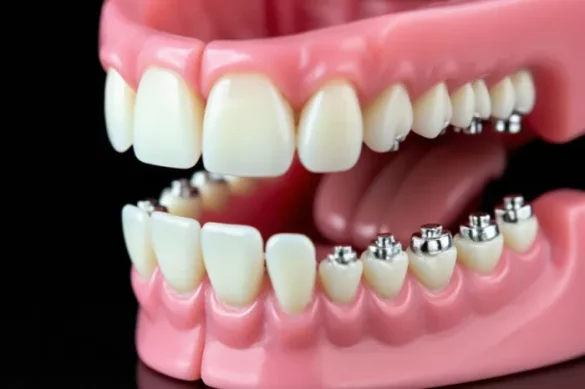
Zirconia dentures have rapidly become the premium standard in fixed and implant-supported tooth replacement. Patients considering this solution often have one pressing question: how much are zirconia dentures? This article explores the costs, what drives those prices, and why many patients and dental professionals regard zirconia as a long-term investment in oral health and quality of life.
What Are Zirconia Dentures?
Zirconia dentures refer to dental restorations—most commonly full-arch bridges or crowns—crafted from zirconium dioxide. This advanced ceramic material is both incredibly hard and naturally white, closely resembling natural tooth enamel. Zirconia is metal-free, making it ideal for patients with metal sensitivities or who desire optimal aesthetics. Unlike traditional acrylic dentures, zirconia restorations are fixed in the mouth using dental implants, providing stability, longevity, and a lifelike appearance.
Average Cost of Zirconia Dentures
The cost of zirconia dentures can vary significantly based on several factors. For single-tooth zirconia crowns or implant restorations, the price ranges from $1,500 to $6,000 per unit. However, most people seeking zirconia dentures are interested in full-arch solutions, also known as zirconia implant bridges. The average fee for a full zirconia arch typically starts around $15,000 and can reach up to $30,000 per jaw. These figures are general estimates; actual costs may differ based on individual needs and the dental provider’s location.
What Does the Price Include?
Zirconia denture pricing reflects more than just the material cost. A comprehensive zirconia full-arch treatment plan covers several elements:
- The expertise of a prosthodontist or oral surgeon
- Digital imaging and diagnostic workups
- Surgical placement of multiple dental implants
- Custom design and creation of the zirconia prosthesis
- Temporary acrylic restorations worn during healing
- All necessary follow-up appointments, adjustments, and, often, a warranty on the final prosthesis
Patients should always request an itemized, all-inclusive quote. Some practices may advertise a low entry price that excludes surgery, imaging, or the final zirconia bridge, leading to unexpected additional expenses.
Key Factors Affecting Zirconia Denture Costs
Several factors influence how much a patient pays for zirconia dentures:
1. Number of Implants and Jaws Treated
A single upper or lower jaw restoration typically requires four to six implants to support the full zirconia arch. Naturally, treating both jaws will double the overall investment. Some complex cases may require additional implants, increasing the total fee.
2. Complexity of the Patient’s Case
Patients with healthy jawbone and gums experience a more straightforward, less expensive journey. If there is significant bone loss, preliminary treatments like bone grafting are required, adding to both the treatment time and the total cost.
3. Dentist or Specialist’s Experience
Experienced prosthodontists or surgeons, particularly those with a focus on complex implant cases, may charge higher fees. However, their expertise often results in more successful long-term outcomes, fewer complications, and higher aesthetics.
4. Location of the Dental Practice
Dentistry costs vary widely by region due to local economies, clinic overhead, and market rates for dental professionals. Urban centers and areas with higher living costs usually mean higher dental fees.
5. Materials and Laboratory Fees
Zirconia itself is more costly than traditional acrylic and even titanium in some cases. Custom-milled zirconia prostheses are crafted in advanced dental laboratories, and the quality of these restorations can strongly impact the final price.
6. Additional Treatments
Extractions of failing teeth, gum disease treatment, bone grafts, or temporary prosthetics may add to the basic cost of zirconia dentures. These preparatory procedures ensure the long-term success of the implants and the prosthesis.
Zirconia Dentures vs. Other Options
When evaluating the cost of zirconia dentures, it’s helpful to compare them to other tooth replacement solutions:
- Traditional Removable Dentures: These typically range from $1,000 to $3,000 per arch. They are less stable, need adhesives, and may require periodic relines or replacements—a lower initial cost but recurring expenses.
- Titanium Implant Bridges: While strong and reliable, titanium implant bridges are generally less expensive than zirconia, but may lack the same natural appearance and are not metal-free.
- Acrylic Implant Prosthetics: Some fixed implant dentures are made with acrylic bases and teeth. These are less costly upfront but are more prone to wear, breakage, and discoloration, often needing replacement sooner than zirconia options.
The key advantage of zirconia dentures is their durability, resistance to chips and stains, and their lifelike, translucent appearance—making them the preferred solution for many demanding patients.
Are Zirconia Dentures Worth the Investment?
For many, zirconia dentures represent a significant upfront investment. However, this should be viewed as a long-term health and lifestyle benefit. Zirconia prosthetics frequently last 15 years or more with proper care, potentially outlasting acrylic alternatives. They restore the strength, function, and aesthetics of natural teeth, improving patients’ diets, speech, and social confidence for years to come.
Zirconia’s biocompatibility reduces the risk of allergic reactions and ensures the prosthesis integrates well with both hard and soft tissues in the mouth. For patients seeking a permanent, natural-looking, and low-maintenance solution, the higher price is often justified by the long-term value and emotional impact.
Making Zirconia Dentures More Affordable
Although zirconia dentures are a considerable financial commitment, several options can make them more accessible:
Dental Insurance
Insurance coverage for implants and prosthetic work varies by provider and plan. In some cases, insurance may contribute to surgical costs or a portion of the restorative fee. Always consult with your dental team and insurance company to maximize available benefits.
Healthcare Financing
Many dental clinics partner with third-party financing groups, offering payment plans that allow patients to spread the cost over months or years. Interest rates and terms depend on the provider, so it’s important to review options carefully.
Health Savings Accounts (HSA) and Flexible Spending Accounts (FSA)
Funds from employer-based HSA or FSA accounts can usually be applied toward implant and zirconia restoration costs. Since these accounts use pre-tax dollars, the savings can be substantial.
All-Inclusive Packages and Promotions
Some practices offer all-inclusive packages, encompassing all parts of the procedure at a fixed price, reducing the risk of additional surprise fees. Others may extend seasonal discounts or promotions—always ask during your consultation.
Timing and Strategic Planning
Coordinating your treatment with insurance benefit renewals or tax-advantaged fund deadlines can further reduce your out-of-pocket expenses.
The Treatment Process: What to Expect
- Consultation and Planning: The dentist will conduct an exam, take digital scans and imaging, and develop a custom treatment plan.
- Preparatory Procedures: If necessary, extractions, bone grafts, or gum treatments are completed to prepare for implants.
- Implant Surgery: Dental implants are precisely placed in the jawbone. Temporary teeth may be provided during healing.
- Fabrication of Zirconia Prosthesis: After healing, the dental lab crafts your final zirconia bridge or denture, tailored to your mouth shape and desired aesthetic.
- Final Placement: The zirconia prosthesis is fixed in place, and follow-up visits ensure optimal fit and function.
The timeline varies; the entire process may take several months, especially if bone grafting is needed.
Conclusion
Zirconia dentures stand at the forefront of modern prosthodontics, offering unmatched stability, longevity, and natural beauty. The cost for zirconia dentures is higher than traditional solutions, but this reflects a long-lasting transformation in oral health, function, and confidence. Patients should view this as a one-time investment that pays dividends for years, especially when factoring in lower maintenance and replacement needs compared to other denture types.
If you are considering zirconia dentures, schedule a consultation with a trusted prosthodontist. Only a personalized assessment will reveal your exact needs, challenges, and potential savings, ensuring you make the most informed decision about your smile and your future.
Frequently Asked Questions (FAQs)
How much do zirconia dentures really cost?
A single zirconia crown or implant restoration typically costs $1,500–$6,000. Full arch zirconia bridges range from $15,000 to $30,000 per arch, depending on various factors.
Are zirconia dentures covered by dental insurance?
Dental insurance may partially cover the surgical or restorative phases, but full coverage is rare. Check your specific plan with your dental provider.
How long do zirconia dentures last?
With proper care, zirconia dentures can last 15 years or more, often outlasting acrylic alternatives.
What is included in an all-inclusive zirconia denture package?
Most packages will include imaging, surgery, implants, temporary prosthetics, final zirconia restoration, follow-ups, and sometimes a warranty. Always confirm what’s included before committing.
Are zirconia dentures worth it?
For patients who value stability, aesthetics, and long-term durability, zirconia dentures represent an excellent investment in both health and lifestyle.