


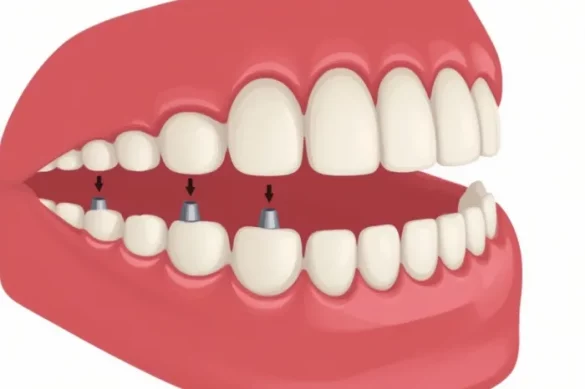
Millions of Americans depend on dentures to replace missing teeth and improve their quality of life. For many, the cost of dentures can be a significant burden. This leads to a common question among seniors and low-income individuals: Does Medicaid or Medicare pay for dentures? Understanding the basics of each program and their coverage for dental prosthetics is important for anyone considering dentures.
Understanding Medicare and Medicaid
What Is Medicare?
Medicare is a U.S. federal health insurance program. It primarily serves people aged 65 and older, as well as some younger individuals with disabilities. Medicare has several parts, including Part A (hospital insurance), Part B (medical insurance), and Part C (Medicare Advantage). There is also Part D, which covers prescription drugs. Original Medicare is made up of Parts A and B.
What Is Medicaid?
Medicaid is a joint federal and state program. It provides health insurance to people with limited income and resources. Medicaid eligibility and benefits can vary by state. This program is vital for many low-income families, seniors, and people with disabilities.
Does Original Medicare Pay for Dentures?
Original Medicare, which includes Part A and Part B, does not cover routine dental care. This includes dentures, teeth cleaning, fillings, or dental implants. Simply put, if you need dentures for normal reasons, Medicare will not help pay for them. The exception is if dental care is necessary as part of another covered medical service. For example, if you need jaw reconstruction after an accident or major oral surgery for a medical condition, Medicare Part A or Part B might pay for some related services—but not routine dentures themselves.
Medicare Advantage plans (Part C) are different. Some of these plans offer dental coverage. This may include dentures, but each plan sets its own rules. Coverage details and out-of-pocket costs will vary from plan to plan and state to state.
Medicare Advantage (Part C) and Denture Coverage
Medicare Advantage plans are offered by private companies approved by Medicare. They must provide the same benefits as Original Medicare but can include extra services. Many Medicare Advantage plans add routine dental coverage, which may include:
- Routine exams
- Teeth cleaning
- X-rays
- Fillings
- Dentures
A recent study found that more than three-quarters of Medicare Advantage enrollees with extensive dental plans had coverage for prosthodontic care, including dentures. These plans often limit denture coverage to one set every five years. They may also charge a fixed copayment (from $0 to $500) or coinsurance (50% to 70% of costs) for in-network providers. Extensive dental services might have an annual spending cap, usually around $1,300, but this could be higher in some plans (up to $5,000).
It is essential to check your Medicare Advantage plan documents for details. The coverage terms, limits, required approvals, and your share of costs can be quite different from one plan to another.
Does Medicaid Pay for Dentures?
Medicaid’s dental coverage, including dentures, depends on your state. States set their own guidelines for what dental services Medicaid will pay for. In some states, Medicaid covers full or partial dentures for adults. In others, only children receive dental coverage beyond emergency care, or coverage may not include dentures at all. Some states might cover an initial set of dentures but limit or exclude replacements.
Medicaid eligibility is based mainly on income and family size. The program usually covers children’s dental needs very well, thanks to federal rules under the Early and Periodic Screening, Diagnostic and Treatment (EPSDT) benefit. For adults, coverage is much less predictable. You must check with your state Medicaid office—usually through a website or by calling—to see if dentures are an included benefit and what limits or costs apply.
How Much Do Dentures Cost Without Insurance?
Dentures are expensive. On average, a traditional upper or lower set can cost anywhere from $1,600 to $3,000. Implant-supported dentures, which are more stable and long-lasting, can cost several thousand dollars more. These prices might increase if extractions or other dental procedures are required before you receive your dentures. Adjustments and relining may also add to the overall expenses over time.
Other Options for Getting Help With Denture Costs
If Medicare or Medicaid do not cover your dentures or the coverage is limited, there are still alternatives to lower your out-of-pocket expenses:
- Dental discount plans: These are not insurance, but they can provide reduced prices on dental services, including dentures, for an annual or monthly fee.
- Stand-alone dental insurance: Some private dental plans offer coverage for dentures. Pay attention to waiting periods, coverage limits, and exclusions.
- State and local assistance: Certain states and local agencies offer financial help for dentures. Non-profit clinics, dental schools, or community health centers may provide dentures at lower cost.
- Payment plans: Many dental clinics allow patients to pay for dentures over several months, making the cost more manageable.
Things to Consider Before Choosing a Plan
When deciding whether to rely on Medicare, Medicaid, or another plan for dentures, keep these questions in mind:
- What is the annual or lifetime coverage limit for dentures?
- How much is the deductible, copay, or coinsurance?
- Are there waiting periods for new denture coverage?
- Does the plan cover repairs or adjustments?
- Is pre-approval needed before getting dentures?
It is important to review any insurance policy or dental assistance plan very carefully. Ask your dental provider or insurance company if you are unsure what your plan will cover. Remember, dental health is closely linked to your overall well-being.
Conclusion
In summary, Original Medicare does not cover dentures or routine dental care. Medicare Advantage plans may offer denture coverage, but the benefits, costs, and eligibility vary from plan to plan. Medicaid may pay for dentures in some states, but coverage depends on state rules and the age of the patient. If you need dentures, check with your plan provider or state Medicaid office, and consider additional options like dental discount programs or private dental insurance. Caring for your smile is important—not just for your looks, but also for your health and confidence.
Frequently Asked Questions (FAQs)
Does Original Medicare pay for dentures?
No, Original Medicare does not cover dentures or most other routine dental care or appliances.
Can I get dentures through Medicare Advantage?
Many Medicare Advantage plans offer some dental benefits, including dentures. Check your specific plan to understand the scope, cost, and any limits or waiting periods.
Does Medicaid cover dentures for adults?
In some states, Medicaid pays for dentures for adults. In others, adult dental coverage is limited or not available. Always check with your state Medicaid program.
What are some other ways to get help paying for dentures?
Dental discount plans, private dental insurance, and programs offered by state and local organizations may provide help. Ask your local dental provider about payment plans or financial assistance.