


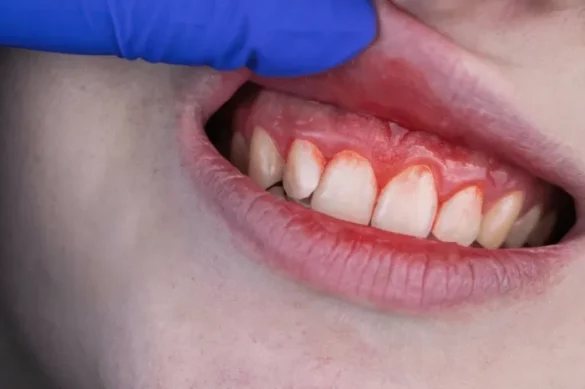
Gingivitis is a common dental condition that affects millions of people worldwide. It is the earliest stage of gum disease and is characterized by inflammation, redness, and bleeding of the gums. Many wonder whether gingivitis can go away on its own or if specific actions are needed to treat it. Understanding this condition, its symptoms, and the necessary steps for recovery is essential for maintaining a healthy smile.
What Is Gingivitis?
Gingivitis is a mild and reversible form of gum disease. It occurs when plaque, a sticky film of bacteria, builds up on the teeth and gum line. The bacteria in plaque produce toxins that irritate the gums, leading to swelling, tenderness, and bleeding, especially during brushing or flossing. The most common cause of gingivitis is poor oral hygiene, but factors such as smoking, sugary diets, and underlying health conditions can increase your risk.
Recognizing the Symptoms of Gingivitis
Symptoms of gingivitis are usually easy to spot. They include:
- Red or swollen gums
- Bleeding while brushing or flossing
- Bad breath (halitosis)
- Tender or sensitive gums
If you experience these signs, it is important to address them promptly, as early-stage gingivitis is much easier to treat than advanced gum disease.
Can Gingivitis Go Away on Its Own?
The answer is no, gingivitis will not disappear without intervention. Gingivitis is a reaction to the accumulation of plaque and bacteria. If these irritants remain undisturbed, the inflammation worsens over time. Without proper brushing, flossing, and professional dental care, gingivitis may progress to periodontitis—a more serious condition that can damage the supporting structures of your teeth and even cause tooth loss.
How to Make Gingivitis Go Away
The good news is that gingivitis is reversible if caught and treated early. Here are practical steps to eliminate gingivitis and restore your gum health:
1. Maintain Proper Oral Hygiene
Brushing teeth at least twice a day with fluoride toothpaste helps remove plaque. Use a soft-bristled toothbrush to avoid irritating your gums. Floss daily to clean areas between teeth that a toothbrush cannot reach.
2. Use Antibacterial Mouthwash
An antibacterial mouthwash can help reduce the number of bacteria in your mouth and control inflammation. Choose products recommended by dental professionals for best results.
3. Eat a Balanced Diet
A diet rich in vitamins, especially vitamin C and calcium, strengthens gum tissue and enhances healing. Avoid sugary foods and drinks that promote plaque buildup.
4. Schedule Regular Dental Visits
Professional dental cleanings remove plaque and tartar that home care cannot address. Dentists can also spot early signs of gum disease and provide personalized recommendations to improve your oral health.
5. Avoid Tobacco and Excess Alcohol
Smoking and excessive alcohol consumption can increase your risk of gum disease and make gingivitis harder to treat. Quitting these habits helps your gums recover more effectively.
What Happens If You Ignore Gingivitis?
If left untreated, gingivitis can advance into periodontitis, a much more dangerous gum disease. Periodontitis can lead to loss of gum tissue, tooth loss, and damage to the jawbone. Severe gum disease may also be connected to other health problems, such as heart disease, diabetes, and stroke. Timely treatment not only protects your smile but also supports your overall health.
The Role of Lifestyle Changes
Improving your lifestyle plays a big part in fighting gingivitis. Choose nutritious foods to keep your body and gums strong. Limit sugar to reduce plaque growth. Stay hydrated to maintain a clean mouth environment. These changes, combined with good dental habits, can make your gums healthier.
Preventive Tips for Gingivitis
Preventing gingivitis is easier than treating it. Try the following strategies:
- Brush your teeth every morning and night
- Floss at least once daily
- Use fluoride toothpaste and mouthwash
- Avoid smoking
- Visit your dentist twice a year for checkups
Small changes can have a big effect on your gum health. Prevention is always better than cure, so building these habits can help you avoid complications in the future.
Conclusion
Gingivitis is a warning sign that your gums need attention. It will not go away on its own, but with consistent oral hygiene and regular dental care, you can reverse the symptoms and prevent serious gum disease. Making simple changes in your daily routine, eating well, and staying away from harmful habits are all important steps toward healthy gums and a confident smile. If you notice signs of gingivitis, do not wait—take action today to protect your oral health for the future.
Frequently Asked Questions
What will happen if I leave gingivitis untreated?
If left untreated, gingivitis can progress to periodontitis, which may lead to tooth loss and other health complications.
How long does it take for gingivitis to go away with proper care?
Most cases of early gingivitis improve within days to weeks of consistent good oral hygiene and professional cleaning.
Can children get gingivitis?
Yes, children can develop gingivitis, especially if they neglect oral care. Healthy habits and regular dental visits are important at a young age.
Can mouthwash alone cure gingivitis?
No, mouthwash is helpful but should be combined with brushing, flossing, and professional cleanings to effectively treat gingivitis.
How often should I visit the dentist to prevent gingivitis?
It is recommended to visit your dentist at least twice a year for preventive checkups and cleanings.