


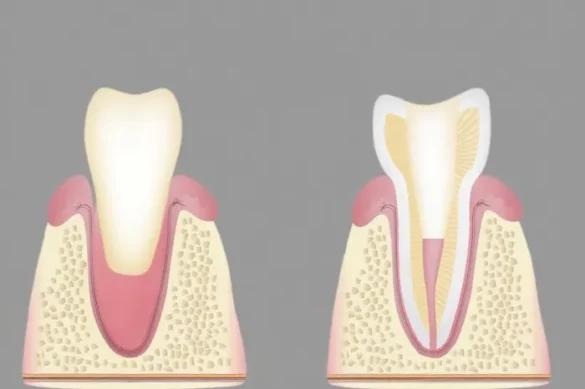
When a tooth is severely damaged or infected, patients are often confronted with a significant dental decision: Should they have the tooth pulled, or attempt to save it with a root canal? This question is more complex than it may first appear, as both options come with specific advantages, risks, and long-term effects on oral health. Understanding the differences between tooth extraction and root canal therapy is crucial in making an informed decision.
What Is a Root Canal?
A root canal is a common endodontic procedure that aims to save a tooth that is infected or irreversibly damaged. The treatment involves removing the diseased or dead pulp tissue from inside the tooth, cleaning and disinfecting the space, and then filling and sealing it. The canal is finally restored with a filling or, more commonly, a crown to strengthen the tooth.
The main goal of a root canal is to maintain the function and appearance of your natural tooth. This approach supports better chewing ability, helps keep surrounding teeth stable, and preserves the natural jawbone shape and density. Most importantly, keeping your own tooth may feel and function better than any artificial replacement.
What Is Tooth Extraction?
Tooth extraction is the process of removing a tooth from its socket in the jawbone. This method is sometimes necessary when a tooth is too damaged or decayed to be restored with a root canal or other dental treatments. Extractions are also performed for severely infected teeth, or when there is overcrowding in the mouth.
After an extraction, patients are typically advised to replace the missing tooth with dental implants, bridges, or dentures to restore function and prevent shifting of other teeth. Without timely replacement, there can be lasting effects on chewing, speaking, and the overall alignment of your bite.
Benefits of Getting a Root Canal
The greatest benefit of root canal treatment is the preservation of your natural tooth. By cleaning out the infection and restoring the tooth with a durable filling or crown, patients can avoid more extensive restorative work, such as dental implants or bridges. A successfully treated tooth can last many years, sometimes even for a lifetime with good oral hygiene.
Root canals are generally less invasive than extractions followed by prosthetic replacements. The recovery period is also often shorter and less painful, since the surrounding bone and gum tissue are less disturbed.
Another key advantage is cost. While the price of a root canal and crown may seem significant at first, it is often less expensive than the combined cost of an extraction and subsequent implant or bridge.
Risks and Drawbacks of Root Canals
While root canals are highly effective and have a strong track record, they are not without limitations. Some risks include:
- Incomplete removal of bacteria, which may require retreatment in rare cases
- The treated tooth may become brittle over time, increasing the risk of fracture. This is typically addressed by fitting the tooth with a crown
- Discomfort or sensitivity for a short period after treatment
Despite these considerations, root canal risks are generally low, especially when performed by an experienced dental professional.
Benefits of Tooth Extraction
There are situations where tooth extraction may be the better or only option. If a tooth is cracked below the gum line, shattered beyond repair, or lacks enough structure to support a restoration, extraction immediately removes the source of infection and pain. The procedure also eliminates the potential for future complications from that tooth.
In some cases, extracting a severely infected or problematic tooth can simplify a patient’s dental care and prevent the infection from spreading to surrounding tissues.
Removing a tooth may also be necessary to resolve crowding or to prepare the mouth for orthodontic treatment.
Risks and Drawbacks of Tooth Extraction
Although extraction is effective at eliminating pain and infection, it comes with several important risks:
- Bone loss in the area of the missing tooth
- Shifting of adjacent teeth, leading to bite misalignment or further tooth loss
- Need for additional procedures, such as bone grafting, before placing a dental implant
- Longer and potentially more uncomfortable healing process compared to root canal therapy
Patients who lose a tooth may also experience changes in speech, eating habits, and self-confidence due to an altered smile. While modern dentistry can replace missing teeth, no artificial device completely matches the natural tooth in terms of comfort and function.
Factors to Consider When Deciding
Choosing between a root canal and extraction depends on several factors:
- Condition of the Tooth: If the tooth structure can be preserved, a root canal is typically preferable. Severely broken or decayed teeth that cannot support a crown may require extraction.
- Extent of Infection or Damage: Teeth with widespread infection into the roots or surrounding bone may be better candidates for extraction.
- Overall Oral Health: Patients with a healthy mouth may benefit more from saving their teeth, while those with multiple serious dental issues may need extractions as part of a larger treatment plan.
- Cost and Time: Root canals may be less expensive and time-consuming than extraction and replacement, but this should be reviewed with your dentist.
- Patient Preference: Some patients may opt for extraction to avoid multiple dental appointments, while others value keeping their natural teeth as long as possible.
Aftercare: Recovery and Replacement Options
After Root Canal
Recovery from a root canal is usually straightforward. Patients may experience some mild discomfort or sensitivity, which typically resolves within a few days. Maintaining good oral hygiene and following up with regular dental visits ensures the long-term success of the treatment.
After Extraction
Extraction often requires a longer healing period. The socket left behind may take weeks to months to fully heal, especially if follow-up procedures like implants or bone grafts are planned. Avoiding certain foods, practicing good oral care, and following your dentist’s aftercare instructions are vital.
Replacing a missing tooth is highly recommended to prevent shifting of remaining teeth, bite problems, and bone loss. Implants, bridges, and dentures are common solutions, each with their own benefits and maintenance requirements.
Professional Advice Is Essential
Every patient is unique. The ideal choice depends on personal and dental circumstances. Consulting with an experienced dentist or endodontist is essential for evaluating the condition of your tooth, the risks involved, and your overall dental health before making a decision.
Conclusion
Deciding whether to pull a tooth or get a root canal is not simple. Generally, saving the natural tooth with a root canal is preferred whenever possible, as it maintains oral function, prevents misalignment, and typically involves less discomfort and cost compared to extraction followed by tooth replacement. Tooth extraction is sometimes necessary, especially for teeth beyond repair, but it introduces new challenges in terms of restoring function and appearance. Open communication with your dental provider ensures the best outcome for your oral health and quality of life.
Frequently Asked Questions
When is extraction better than a root canal?
Extraction is the preferred option if the tooth is too damaged or decayed for successful restoration, or if severe infection has compromised surrounding bone.
How painful are root canals compared to extractions?
Root canals are generally less painful both during and after the procedure than tooth extractions, especially with modern anesthesia and care.
Do I need to replace a tooth after extraction?
Yes, replacing an extracted tooth is important to maintain bite alignment, chewing function, and prevent neighboring teeth from shifting.
Will a root canal make my tooth weaker?
A tooth can become more brittle after a root canal, but this risk is minimized by fitting a dental crown to protect and strengthen it.
How do I know which option is best for me?
Consult with your dentist, who will consider the health of your tooth, your oral history, and your individual needs before advising on the best treatment.