


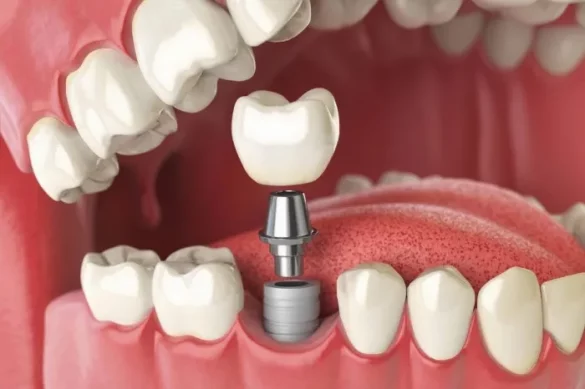
Getting a dental implant is a significant step toward restoring your smile and improving your oral health. Dental implants are widely regarded as the gold standard for replacing missing teeth, offering lasting support and natural appearance. If you are considering this procedure, understanding what to expect can help you make informed decisions and prepare for each stage with confidence.
Initial Consultation and Evaluation
The journey to receiving a dental implant begins with an initial consultation. During this visit, your dentist or oral surgeon will thoroughly examine your mouth. This includes a review of your medical history, medications, allergies, and any chronic health conditions that might affect healing. Diagnostic imaging, such as X-rays or three-dimensional scans, is often performed to assess the structure, height, and density of your jawbone.
If you are missing bone or the bone is too soft, your dentist may discuss bone grafting as a preparatory step. This procedure builds a strong foundation for the implant and ensures successful results.
Medical conditions like diabetes, heart disease, or habits such as smoking can influence healing and success rates. Your dentist may advise adjusting medications or making lifestyle changes, such as quitting smoking, before proceeding.
Treatment Planning and Pre-Operative Instructions
After a thorough evaluation, a personalized treatment plan is developed. Your provider will explain the recommended type of implant, the placement site, anesthesia options, and whether additional procedures like bone grafts are needed.
Pre-operative instructions are critical for a smooth procedure. If you are receiving sedation (oral or IV), you will likely be instructed not to eat or drink for a certain period before surgery. Your dentist may give you antibiotics prior to surgery to reduce the risk of infection. Special mouthwashes may also be prescribed to minimize bacteria in the mouth.
Make sure to arrange for transportation if sedation will be used. It is generally not safe to drive after sedation. Your provider will guide you on how to prepare, including when and what you can eat before the procedure.
The Dental Implant Procedure
Dental implant surgery is usually performed in an outpatient setting at a dental clinic or surgical office. Depending on your personalized plan, the steps may vary slightly, but most procedures follow similar stages.
Anesthesia Options
You will be given anesthesia to ensure comfort. Local anesthesia numbs only the treatment area, meaning you’ll be awake but won’t feel pain. Oral sedatives can help you relax, while IV sedation or general anesthesia is available for those needing deeper relaxation.
Discuss with your provider which option is best for your situation. Factors such as your medical history, anxiety level, and the number of implants being placed will guide the choice.
Surgical Stages
1. Gum Incision and Access
The oral surgeon makes a small cut in your gum to expose the jawbone.
2. Bone Preparation
With a sequence of special drills, a precise hole is prepared at the planned implant site. The size and depth are carefully controlled to accommodate the implant post.
3. Placement of the Implant
The titanium implant post is then gently inserted into the bone, replicating the root of a natural tooth. The post is positioned at the correct angle and depth for optimal support.
4. Placement of a Healing Cap or Temporary Restoration
After the implant post is placed, a healing cap or temporary prosthesis may be attached. This helps shape the gum tissue and protects the implant during the healing phase.
5. Suturing and Immediate Postoperative Checks
Finally, the gums are sutured over or around the implant. The surgeon will check stability and provide instructions for home care.
Most single implant procedures take 30 to 90 minutes. Multiple implants or complex cases may require longer surgery times.
Immediate Aftercare and Recovery
When anesthesia wears off, you may experience numbness alongside mild pain or soreness at the surgery site. Swelling and bruising of the gums or face can occur. Minor bleeding is possible at first.
To ease symptoms, your provider will recommend pain relief options, such as over-the-counter medications or sometimes a prescription. Ice packs can help limit swelling during the first 24 hours. Rinse gently with warm salt water after the first day to support healing.
Stick to soft foods for several days, avoiding chewing directly over the new implant. Maintain gentle brushing and oral hygiene routines. Avoid using straws, smoking, or performing heavy exercise for a few days, as these activities can hinder healing.
The Healing Process: Osseointegration
A cornerstone of dental implant success is osseointegration—the process where bone grows around the titanium implant, securing it firmly in place. This typically takes three to six months. During this period, the implant area is monitored closely through follow-up visits.
Your provider will remove stitches as necessary and check the site for signs of healthy healing. It is crucial to follow all home care instructions to prevent infection and implant failure.
Placement of the Abutment and Crown
After osseointegration, additional minor surgery may be required to place the abutment—the connector between the implant post and the final crown (artificial tooth). The gums are reopened, the abutment attached, and then the tissue is closed around it. Healing from this step takes about two weeks.
Once stabilized, impressions are made of your mouth to fabricate a custom crown that will look and work like a natural tooth. Crowns may be fixed (permanently attached) or removable, based on individual needs.
Risks and Considerations
While dental implants boast high success rates, it is essential to be aware of possible risks, including infection, nerve injury, sinus problems (for upper jaw implants), and occasionally implant failure. Your dentist will discuss these risks and how they are minimized.
Certain individuals may not be suitable candidates, such as young children whose jaws have not finished developing, heavy smokers, or those with untreated chronic diseases. In some cases, bone grafts are performed to enhance implant success.
Allergic reactions to the titanium alloy are extremely rare, but possible. Promptly communicate any unusual symptoms after surgery.
Long-Term Care and Maintenance
Caring for dental implants is similar to caring for natural teeth. Brushing twice daily, flossing, and attending regular dental checkups are crucial for longevity. Implants are not susceptible to decay, but healthy gums and bone are needed to maintain support, as gum disease can lead to implant loss.
Habitual behaviors, like chewing hard foods or teeth grinding, should be discussed with your provider to avoid damaging both implants and natural teeth. Always follow your provider’s advice for cleaning and maintaining your implants.
Selecting Your Implant Provider
Ask about your provider’s implant experience, training, standard protocols, and technology. Providers using advanced imaging and guided surgery generally provide more reliable outcomes. Always inquire about the provider’s success rates, complication management processes, sedation options, and aftercare plans.
Conclusion
Understanding what to expect before, during, and after a dental implant procedure is vital for a successful, stress-free experience. With thorough planning, professional guidance, and careful aftercare, dental implants can offer a reliable, natural-looking solution for missing teeth. Patients who follow provider instructions and commit to good oral hygiene can expect excellent long-term results.
Frequently Asked Questions
How Long Does a Dental Implant Procedure Take?
The full process, from initial consultation to permanent crown placement, typically spans several months. This allows for healing and bone integration.
Is Dental Implant Surgery Painful?
With modern anesthesia techniques, most patients experience little to no pain during surgery. Mild discomfort and swelling are common after the procedure but controllable with medication.
Can Anyone Get Dental Implants?
Not everyone is a candidate. Factors such as insufficient bone, uncontrolled chronic disease, and certain habits like heavy smoking may require additional preparation or alternative treatments.
How Long Do Dental Implants Last?
With proper care and regular dental visits, implants can last for many years, often several decades.
What Should I Do To Prepare for Surgery?
Follow your provider’s instructions for eating, drinking, medications, and arranging transport. Making lifestyle changes like quitting smoking will also help improve your success rate.