


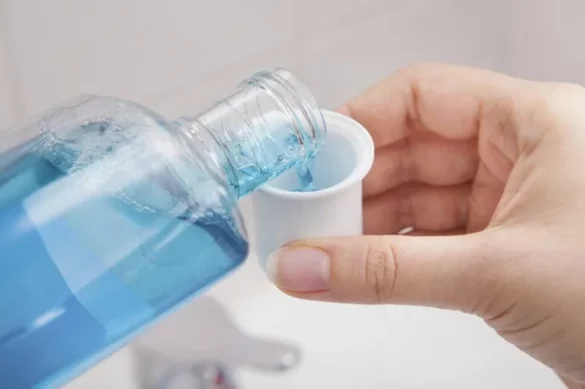
Maintaining excellent oral hygiene is crucial for everyone, but this becomes even more important during pregnancy. Hormonal changes can make pregnant women more vulnerable to gum problems, especially gingivitis. Many wonder: what mouthwash is good for pregnancy gingivitis? Choosing the right mouthwash can help keep your gums healthy, protect against complications, and promote comfort throughout pregnancy.
Understanding Pregnancy Gingivitis
Pregnancy gingivitis is a common condition affecting 60-70% of pregnant women. It presents as mild inflammation, redness, and sensitivity of the gums. Often, the gums bleed when brushed or flossed. These symptoms are primarily triggered by hormonal changes that increase the body’s response to plaque bacteria. If untreated, gingivitis can advance, increasing the risk of gum disease and possibly impacting overall health.
Why Oral Hygiene Is Vital During Pregnancy
Dental problems during pregnancy are not only uncomfortable but can also have health implications. Gingivitis raises the risk of periodontal disease, which can affect both mother and baby. Therefore, establishing and maintaining a complete oral hygiene routine is very important. This includes brushing, flossing, regular dental cleanings, and using a mouthwash that is safe for pregnancy.
Key Features to Look for in Mouthwash During Pregnancy
When selecting a mouthwash for pregnancy gingivitis, several factors should be considered:
Alcohol-Free Formulation
Alcohol-based mouthwashes can irritate sensitive gums and may exacerbate symptoms. Alcohol also affects the balance of good and bad bacteria in your mouth. Experts recommend avoiding alcohol-based rinses, opting instead for gentle, alcohol-free products.
Fluoride Ingredients
Fluoride is an essential ingredient for strengthening tooth enamel and protecting against cavities. Fluoride mouthwashes can help counteract enamel erosion, especially for those suffering from frequent morning sickness or vomiting, which exposes teeth to stomach acids.
Anti-Gingivitis Claims
Look for mouthwashes labeled as “anti-gingivitis” or”gum protection.” These contain active ingredients such as cetylpyridinium chloride, essential oils, or chlorhexidine (available by prescription). These compounds help reduce inflammation, control plaque, and kill gingivitis-causing bacteria.
American Dental Association (ADA) Seal of Acceptance
Mouthwashes with ADA approval have been tested and proven safe and effective. These products can be trusted to provide consistent results without risk to mother or baby.
Pleasant and Gentle Flavor
Morning sickness can make strong flavors overwhelming. Choose milder or unflavored mouthwash options if mint or other common flavors cause discomfort.
Popular Mouthwash Options Recommended for Pregnancy Gingivitis
Several over-the-counter and prescription mouthwashes are trusted for use during pregnancy. Here are some top-rated options:
1. Crest® PRO-HEALTH® Multi-Protection Mouthwash
This alcohol-free rinse kills 99% of gingivitis-causing bacteria. It is gentle, effective, and backed by ADA recommendations. It also freshens breath without a harsh burning sensation.
2. CloSYS Unflavored Mouth Rinse
CloSYS is known for its gentle, non-irritating formula. It is alcohol-free and comes in unflavored and lightly flavored varieties, ideal for those sensitive to strong tastes. Many expectant mothers have found relief with this rinse, especially for bleeding gums and oral discomfort.
3. ACT® Anticavity Mouthwash (Alcohol-Free)
ACT mouthwashes provide fluoride to strengthen enamel and help prevent cavities. Their alcohol-free formulation makes them suitable for sensitive gums and pregnancy-related oral changes.
4. Listerine® Zero Alcohol Mouthwash
Listerine offers several alcohol-free variants effective in killing germs and reducing plaque. Listerine Zero Alcohol uses essential oils and is gentler on the mouth, making it a safer choice for pregnancy.
5. Prescription Chlorhexidine Mouthwash
For more severe or persistent gingivitis, dentists may prescribe a chlorhexidine mouthwash. This rinse controls bacteria and inflammation and is considered safe under dental supervision. It is typically reserved for moderate to severe cases and should only be used as directed.
How to Use Mouthwash Effectively
To gain the maximum benefit from mouthwash, follow these simple steps:
- Read and follow the instructions on the product label.
- Swish the rinse in your mouth for around 30 seconds.
- Spit out the mouthwash; do not swallow.
- Use mouthwash after brushing and flossing, or as recommended by your dentist.
- Avoid eating, drinking, or rinsing with water for at least 30 minutes after use for best results.
- If using at night, make it the last oral hygiene step before bed.
What to Do If You Dislike Standard Mouthwash Flavors
Some people find minty rinses too strong during pregnancy. If so, try:
- Baking soda rinse: Mix a teaspoon of baking soda in a cup of water and rinse after vomiting to neutralize acid.
- Unflavored or mild-flavor mouthwashes.
- Consult your dentist for personalized product recommendations suited to your sensitivities.
Additional Tips for Managing Pregnancy Gingivitis
- Brush with fluoride toothpaste twice daily.
- Floss at least once daily, paying special attention to the gum line.
- Schedule regular dental checkups and cleanings.
- Inform your dentist and hygienist about your pregnancy status for tailored care.
- Seek guidance before using any prescription mouth rinse.
When to Consult Your Dentist
If you notice persistent redness, swelling, or bleeding from your gums, seek professional dental advice. Your dentist can assess the severity, suggest the best at-home care, and prescribe mouthwashes or other treatments as needed. Additionally, dental professionals may recommend more frequent cleanings during pregnancy to monitor and support your gum health.
Conclusion
Choosing the right mouthwash during pregnancy can make a significant difference in controlling gingivitis and maintaining overall oral health. The best options are alcohol-free, contain fluoride, and have proven anti-gingivitis properties. Products like Crest PRO-HEALTH, CloSYS, and Listerine Zero Alcohol often get high marks for safety and effectiveness. Always speak with your dentist before starting new products and maintain a diligent oral hygiene routine for both your comfort and your baby’s health.
Frequently Asked Questions (FAQs)
Q1: Is it safe to use mouthwash during pregnancy?
Yes, mouthwash is considered safe during pregnancy if you avoid swallowing and choose alcohol-free products.
Q2: Which mouthwash ingredients should I avoid while pregnant?
Avoid mouthwashes containing alcohol or harsh chemicals that could irritate your gums or disrupt oral bacteria balance.
Q3: Can prescription mouthwash be used for pregnancy gingivitis?
Prescription mouthwashes, such as chlorhexidine, are safe when used with dental supervision for moderate to severe cases of gingivitis.
Q4: How often should I use mouthwash for gingivitis during pregnancy?
Use mouthwash as part of your daily oral hygiene routine, ideally after brushing and flossing or as directed by your dentist.
Q5: What should I do if I experience morning sickness and vomiting?
Rinse your mouth with a fluoride mouthwash or baking soda solution after vomiting to neutralize stomach acid and protect your teeth.