


Many people facing tooth loss often ask, “Is there a better alternative to dentures?” While dentures have long been the standard solution for missing teeth, dentistry has advanced with several other options that may better suit some patients. It is important to know the pros and cons of each method to make an informed choice for your oral health and quality of life.
Understanding Dentures and Their Limitations
Dentures are removable dental devices designed to replace missing teeth. They restore the appearance, chewing ability, and some of the facial shape that is lost when teeth are missing. Modern advancements mean that today’s dentures are more comfortable and natural-looking than those of the past. However, dentures still have limitations. Some users find them uncomfortable after long periods, and they may move while speaking or eating. Maintenance involves daily cleaning and soaking. Over time, changes in the shape of the jawbone can result in poor fit, requiring adjustments or replacements.
Why Look for Alternatives to Dentures?
While dentures are affordable and widely available, they may not be ideal for everyone. Some people want more stability, a better fit, or a solution that feels permanent rather than removable. Others may have had uncomfortable experiences with dentures or are searching for a long-term answer to missing teeth. There are also individuals concerned about bone loss, which can occur as the jawbone shrinks over time without tooth roots to stimulate it. These reasons have motivated the development of several advanced alternatives to dentures.
Dental Implants: The Gold Standard in Tooth Replacement
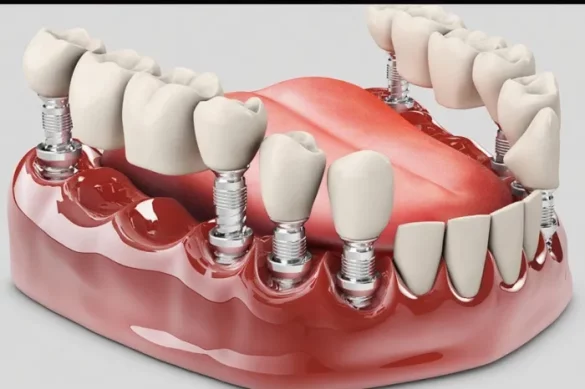
Dental implants are widely regarded as the best alternative to traditional dentures. An implant is a titanium post surgically placed into the jawbone, acting as an artificial root. After healing, a custom-made crown is attached, creating a tooth that looks and functions like a natural one. Dental implants offer many advantages:
- Stability and permanence: Implants are fixed in the jawbone, so they do not move or shift.
- Preservation of bone: Implants stimulate the jawbone, preventing bone shrinkage over time.
- Natural appearance and feel: They mimic real teeth in both look and function.
- Long lifespan: With proper care, implants can last for decades.
However, dental implants may not be suitable for everyone. They require sufficient bone density, good overall health, and a willingness to undergo minor surgery. The cost is generally higher up front than dentures, but the long-term benefits often justify the investment for many patients.
What Are Implant-Supported Dentures or Overdentures?
Implant-supported dentures, also known as overdentures, balance some of the benefits of traditional dentures and implants. They use dental implants as anchors, improving stability and comfort. Overdentures snap securely onto the implants, which means they will not shift or slip during eating or talking. Patients can remove overdentures for cleaning, but they feel much more stable than standard dentures. This option is ideal for those who want improved retention but are not ready for or do not need a full set of implants.
Dental Bridges: Fixed Solutions for Missing Teeth
A dental bridge is another popular alternative to dentures. It replaces one or more missing teeth by using the natural teeth on either side of the gap for support. A bridge typically consists of prosthetic teeth fused between crowns that are cemented onto the healthy neighboring teeth. Advantages of dental bridges include:
- No removable parts: Bridges are fixed in the mouth and feel more secure.
- Improved function: Bridges allow for normal eating and speaking.
- Simple treatment: No surgery is required for standard bridges.
However, bridges work best when only a small number of teeth are missing and the surrounding teeth are healthy enough to provide support.
Removable Partial Dentures: Affordable and Practical
Partial dentures are a solution for patients who are missing only a few teeth. These removable appliances fit around the remaining natural teeth and are less expensive than implants or bridges. Partial dentures can be a temporary or permanent solution, depending on your needs. They are easy to clean and repair but may need to be replaced over time if your mouth changes. Some patients find them more comfortable and stable than full dentures, especially with modern lightweight materials and improved designs.
Resin-Bonded Bridges: A Non-Invasive Alternative
For some, resin-bonded bridges—sometimes called Maryland bridges—offer an alternative when just one or two front teeth are missing. These bridges are minimally invasive and rely on a metal or ceramic framework bonded to the back of adjacent teeth. They do not require reshaping of healthy teeth and are usually more affordable than traditional bridges or implants. However, they may not be as strong for back teeth, where biting pressure is greater.
Factors to Consider When Choosing an Alternative
Each method to replace missing teeth has advantages and drawbacks. Here are some key factors to consider:
- Cost: While implants cost more up front, they may be more economical over a lifetime. Bridges, partials, and overdentures are less expensive.
- Oral Health: Bone density, gum health, and the number of missing teeth affect which options are possible. Your dentist will evaluate your mouth to recommend solutions.
- Maintenance: Implants are cared for much like natural teeth, while dentures and partials need to be removed and cleaned. Bridges remain in place but require attention to prevent problems around supporting teeth.
- Aesthetics and Comfort: Implants and bridges are typically more natural in appearance and feel. Dentures and partials have improved, but may not always match the comfort of fixed options.
- Longevity: While dentures may need regular replacement, implants and bridges can last many years if maintained.
- Surgical Needs: Implants and some overdentures require oral surgery. Dental bridges and partials do not.
Alternatives When Gums or Bone Are Not Healthy
For patients who suffer from gum disease or bone loss, replacing missing teeth requires special planning. Mild to moderate gum disease can often be treated first, making future implants possible. In cases of severe bone loss, soft tissue or bone grafts may prepare the area to support implants or bridges. If none of these options work, stable partial dentures or other non-implant solutions still allow for improved oral function and appearance.
How Your Dentist Helps You Choose
Dentists and prosthodontists play a key role in helping patients decide which denture alternative is best. They will assess oral health, discuss functional and cosmetic goals, and suggest treatment options within your budget. They will also explain the risks and benefits of each solution so you can make the best decision for your unique situation.
Conclusion
Dentures are no longer the only—or even always the best—option for replacing missing teeth. Today, dental implants, implant-supported overdentures, bridges, and partial dentures offer patients more comfort, stability, and confidence. Dental implants are often considered the gold standard, but they are not suitable or affordable for everyone. Bridges and partials provide reliable, cost-effective alternatives. Your oral health, preferences, and finances will influence the right choice for you. No matter your situation, consult with a qualified dental professional to explore the latest alternatives and select a personalized solution to rebuild your smile and protect your oral health for years to come.
Frequently Asked Questions
Are dental implants better than dentures?
Dental implants are often seen as superior to traditional dentures due to their permanent nature, durability, and ability to function like natural teeth. They are more expensive and require surgery, but they offer significant long-term benefits.
Can I get a tooth replacement if I have gum disease?
Many patients can still receive tooth replacements, but gum disease should be treated first. In some cases, special procedures like grafts are needed to prepare for implants or bridges.
What are the most affordable alternatives to dentures?
Removable partial dentures and resin-bonded bridges are two of the most budget-friendly alternatives, especially if only a few teeth need replacement.
Do dental bridges last as long as implants?
Dental bridges can last many years with good oral care but may not be as durable as implants, which can last a lifetime.
Are there alternatives to dentures that don’t involve surgery?
Yes, options like dental bridges, removable partial dentures, and resin-bonded bridges typically do not require surgery.