


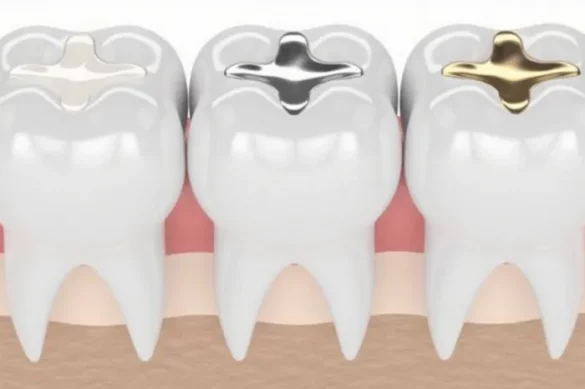
When it comes to restoring decayed or damaged teeth, the choice of filling material can make a significant difference to both oral health and overall wellbeing. Dental patients today seek solutions that combine safety, longevity, aesthetics, and environmental responsibility. As innovations in material science continue, the healthiest options for dental fillings in 2026 reflect a blend of advanced technology and a focus on personal and planetary health. This article reviews the eight top materials dentists and patients can count on for dental fillings in the coming year.
Understanding Dental Filling Materials
Dental fillings are used to repair cavities or restore the integrity of teeth injured by decay or cracks. A filling must be strong enough to withstand daily chewing, biocompatible to avoid reactions, and suitable for the tooth’s position and function. Over the years, traditional materials like metal amalgams were common, but changing standards and patient needs have led to safer and more aesthetic alternatives. The healthiest filling materials for 2026 are selected with these modern priorities in mind.
1. Composite Resin Fillings
Composite resin fillings are now among the most widely used options. They are made from a blend of plastic resin and finely ground glass particles. A key benefit is their tooth-colored appearance, which allows them to blend seamlessly with surrounding teeth. Composite resin is mercury-free, making it safer for the body and ideal for anyone seeking a metal-free restoration. Modern composite materials provide good durability for small to medium cavities, especially in visible areas, and typically last between 5 to 10 years. Composite fillings are also minimally invasive because the bonding process allows the dentist to preserve more natural tooth structure.
2. Porcelain (Ceramic) Fillings
Porcelain fillings, also known as ceramic fillings, offer an exceptional combination of strength and aesthetic appeal. Their glass-like surface resists stains better than composite resin and maintains its natural shade over time. Porcelain is highly biocompatible, rarely causes allergic reactions, and does not contain any metal. These fillings are suitable for front and back teeth and are especially popular for patients who prioritize appearance. They are created outside the mouth (often in a dental lab) and then bonded to the tooth, resulting in a strong, long-lasting restoration with longevity typically in the 10 to 15 year range.
3. Gold Fillings
Gold fillings are well known for their outstanding durability, with a lifespan of 15 to 30 years or even longer in some cases. Gold is one of the most biocompatible filling materials in dentistry and doesn’t corrode or cause allergic reactions. Although not tooth-colored, gold is sometimes chosen for back teeth where strength is more important than appearance. Gold fillings are processed in dental laboratories, making the treatment last two appointments, but the result is a long-term solution that rarely needs to be replaced.
4. Glass Ionomer Fillings
Glass ionomer fillings are made from a mixture of acrylic and glass. These fillings have the special advantage of releasing fluoride over time, which helps to strengthen tooth enamel and guard against future decay. They are especially useful in children’s dentistry and situations where minimal preparation is required. Glass ionomer is considered highly biocompatible and metal-free, though less durable than other materials. Their typical longevity is about 5 to 7 years, making them best for small fillings in low-stress areas or for interim dental treatment.
5. Resin Ionomer Fillings
A close relative to glass ionomer, resin ionomer fillings combine glass ionomer material with added resins for improved strength. This blend preserves the fluoride release benefit while extending wear resistance and providing a better match to natural tooth color. Resin ionomer fillings are gentle on tissues and considered very safe for children and adults, often placed in primary teeth or in areas under low chewing force.
6. Ceramic-Enhanced Composite Fillings
An emerging option in 2026, ceramic-enhanced composite fillings contain additional ceramic particles within a composite resin base. This innovation improves both aesthetics and durability, providing a filling that better resists wear and retains its luster. Ceramic-enhanced composites are mercury-free, tooth-colored, and generally suitable for both front and posterior teeth. Growing evidence supports their strong biocompatibility and resistance to staining compared to regular composite.
7. Bioactive Dental Fillings
Bioactive dental filling materials are designed to promote tooth remineralization and healthy interaction with surrounding tissues. These innovative materials can form a chemical bond with tooth structure and release beneficial elements like calcium and phosphate to help repair micro-damage inside the tooth. Bioactive materials are especially promising for patients seeking the latest in health-oriented dentistry, offering good aesthetics, safety, and potentially increasing the longevity of the restored tooth.
8. Eco-Friendly/Biodegradable Dental Fillings
With environmental sustainability gaining importance in healthcare, eco-friendly fillings are becoming a preferred choice. Such materials are formulated to be non-toxic, mercury-free, and manufactured with minimal environmental impact. Some eco-friendly options are designed to biodegrade safely if replaced, minimizing dental waste. Clinics are also increasingly sourcing materials that use sustainable production methods. These fillings address both patient health and the wider ecological footprint of dentistry.
Key Factors When Choosing a Dental Filling
The healthiest dental filling material is not the same for every patient or every tooth. Factors dentists consider include:
- The size and location of the cavity.
- Chewing stresses on the tooth.
- Aesthetic preferences (tooth color matching).
- Potential allergies or sensitivities.
- Longevity and durability needed.
- Cost and insurance considerations.
- Environmental values.
A thorough discussion with your dentist helps weigh these priorities and customize the treatment for your long-term oral health.
Biocompatibility and Safety Considerations
Advanced dental materials must meet strict safety and biocompatibility standards. Mercury-free and metal-free options have minimal risk of systemic reaction. Patients with specific sensitivities should inform their dentist so an appropriate material is chosen. The growing use of bioactive and eco-friendly fillings reflects a trend toward dental materials that support not just teeth, but whole-body health and a sustainable future.
Conclusion
Dental fillings in 2026 offer more choices than ever, focusing on health, aesthetics, durability, and environmental responsibility. The healthiest materials include composite resin, porcelain, gold, glass ionomer, resin ionomer, ceramic-enhanced composite, bioactive options, and eco-friendly choices. Each material comes with unique advantages and ideal uses. Consultation with a dental professional is essential to select the best fitting material for your personal needs and preferences. Thoughtful selection and skilled placement of fillings can preserve your smile and support your overall health for years to come.
FAQs
What is the most durable dental filling material for 2026?
Gold remains the most durable option, often lasting 15 to 30 years or even longer, especially in back teeth exposed to heavy chewing.
Are composite and ceramic fillings safe options?
Yes. Both composite resin and ceramic fillings are mercury-free, biocompatible, and have a long history of safety in dental practice.
Why are eco-friendly fillings important now?
Eco-friendly fillings are non-toxic, mercury-free, and produced with reduced environmental impact, supporting both personal and planetary health.
Can I get a tooth-colored filling for back teeth?
Modern composite, ceramic, or ceramic-enhanced composites are strong enough to be used in most back teeth, depending on the cavity size and bite pressure.
How do bioactive dental fillings work?
Bioactive fillings interact with the tooth structure by releasing beneficial minerals, promoting natural repair and enhancing the tooth’s long-term health.