


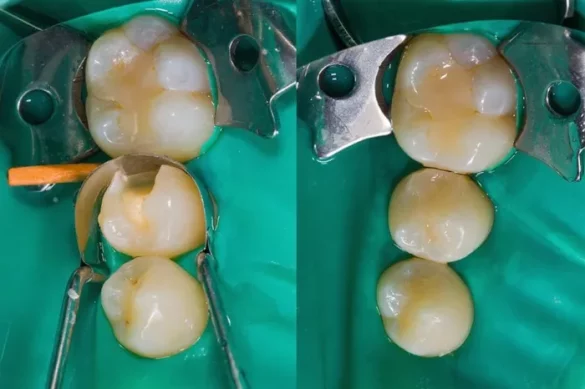
Discovering you have a cavity can be worrying, especially if you do not have dental insurance. Many people fear the high cost of treatment, but understanding the prices and options available can help you make informed decisions. Fixing a cavity early is crucial to keep your mouth healthy and to avoid more costly treatments in the future. This article details the costs and considerations for getting a cavity repaired when you do not have insurance, along with ways to save and keep your smile healthy.
Why Treat Cavities Promptly?
A cavity is a spot of decay in your tooth caused by bacteria and acid. If left untreated, it can develop into deeper damage, infecting the tooth pulp and causing pain. Eventually, this may require complicated procedures like root canals or even tooth replacement. Early treatment with a simple filling can stop the decay and preserve the tooth. Fillings are the most common and affordable treatment for cavities.
Factors That Affect Cavity Repair Costs
The price of a dental filling is determined by several factors:
- Size of the cavity: Larger cavities covering more surfaces cost more.
- Type of filling material: There are several choices, each with its own price range.
- Dentist’s geographic location: Costs can vary between regions or cities.
- Additional procedures needed: Sometimes further treatment is required for more advanced decay.
On average, without insurance, patients pay between $90 to $450 for a cavity repair. The exact cost depends on your situation and the choices you make.
Types of Dental Fillings and Their Costs
Dentists offer different filling materials to match needs and budgets. Here’s a breakdown:
Amalgam (Silver) Fillings
These are the most affordable option, composed of metals like silver, tin, and copper. They are durable but visible because of their color. Without insurance, a single amalgam filling usually costs $90-$250. They work well for back teeth, where appearance is less important.
Composite (Tooth-Colored) Fillings
Composite resins blend with your tooth color, making them a popular choice for visible teeth. The material is less noticeable but can be more expensive. For a basic one-surface composite filling, expect to pay $135-$370 out of pocket. If multiple surfaces need filling, the price goes up to $175-$450.
Ceramic Fillings
Ceramic fillings look natural and resist staining better than composite. They are made from porcelain. Because of their benefits, they are more expensive, ranging from $300-$600 without insurance.
Gold Fillings
Gold fillings are rare and mainly used for durability. They can last many years but are the most expensive, often costing $900-$1200 or more per filling. Most patients choose other options unless they specifically want gold.
Comparing Costs: Filling Types and Complexity
Here’s a general range for common cavity repairs without insurance:
- One-surface amalgam: $90-$250
- One-surface composite: $135-$370
- Multi-surface composite: $175-$450
- Ceramic: $300-$600
- Gold: $900-$1200+
The more complex the filling, the higher the cost. A cavity that affects several surfaces or teeth will require more material and work, increasing the price.
Saving on Cavity Repair Without Insurance
If you do not have insurance, there are still ways to make tooth repair affordable:
- Payment plans: Many dental offices offer payment plans to spread the cost over time.
- Discount programs: Some clinics have discount memberships or cash prices for uninsured patients.
- Dental schools: Local dental schools provide quality care at reduced cost as students work under supervision.
- Shop around: Costs vary between offices, so ask for estimates from several dentists in your area.
Dentists often prefer to provide affordable care early, as ignoring decay leads to greater damage and higher costs. Ask your dentist about options for payment before treatment.
Why Early Treatment Saves Money
Repairing a small cavity with a filling is much cheaper than treating advanced tooth decay. If cavities are ignored, the following procedures may be required:
- Root canal and crown: $1,200–$2,500
- Implant and crown: $3,500–$6,500
Because prices for advanced treatment are much higher, it is better to fix a cavity early. Early treatment also means less pain and fewer complications.
Preventing Future Cavities and Costs
While fixing cavities is important, preventing them is best. Good oral habits can save you from frequent dental visits and high bills:
- Brush two minutes, twice a day with fluoride toothpaste
- Floss daily to clean between teeth
- Use mouth rinse if recommended
- Limit sugary and acidic foods that damage enamel
- Visit the dentist every six months for cleaning and exams
- Treat gum disease or dry mouth quickly
- Drink plenty of water to aid saliva production
Dentists may recommend additional preventive treatments like fluoride and dental sealants. These protect teeth from decay and reduce the need for fillings.
The Importance of Acting Quickly
Although expense may seem high without insurance, remember that oral health affects your overall health. Decayed teeth can cause pain, infections, or impact your ability to eat and speak comfortably. Getting prompt care for cavities keeps your teeth healthy and lowers the risk of expensive treatments later.
Conclusion
Fixing a cavity without insurance is possible and often more affordable than people expect. The price for cavity repair depends on size and material but usually ranges between $90 and $450 for most patients. Seeking care early and exploring payment options can make dental treatment manageable. Preventive care remains the most cost-effective way to avoid future cavity expenses.
FAQs
How much does a simple filling cost without insurance?
A basic one-surface amalgam filling generally costs $90-$250. Tooth-colored composite fillings start at $135 and can reach $370 or more depending on complexity.
Do dentists offer payment plans for uninsured patients?
Yes. Many dental offices provide in-house payment plans or financing so you can afford treatment.
Can I avoid cavities and future costs?
Maintaining good brushing and flossing habits, reducing sugar intake, and regular dental visits will greatly lower your risk of cavities.
Are more expensive fillings better?
Ceramic and gold fillings last longer and look more natural but have higher costs. Most people choose composite or amalgam for a balance of durability and price.
What happens if I ignore a cavity?
Untreated cavities can cause pain, infection, and may require costly procedures like root canals or even tooth replacement.