


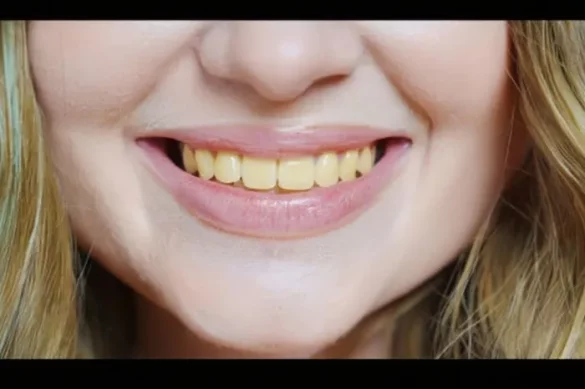
For many years, British people have faced stereotypes about the appearance of their teeth. Jokes about “British teeth” tend to focus on their yellowish tint, especially when compared to the gleaming white smiles seen in Hollywood movies. But tooth colour is influenced by a variety of factors, and these go far beyond simple myths or cultural perceptions. To understand why British people’s teeth are often yellow, we will examine the science of tooth colour, lifestyle habits, cultural trends, and the role of dental technology.
What Determines Tooth Colour?
Human teeth are naturally not brilliant white. The outer layer of the tooth, called enamel, may appear slightly translucent. The underlying layer, called dentin, is naturally yellowish. When enamel wears down, the yellow dentin becomes more visible. Genetics also play a significant role; the thickness and colour of your enamel are inherited, and some people simply have slightly yellower teeth by nature.
Dietary Habits: Tea, Coffee, and Red Wine
One of the most widely cited reasons for tooth discoloration in Britain is the national diet. Britons are known for their love of tea—whether black, green or herbal. Tea contains tannins, which are natural compounds that can easily stain tooth enamel. Similarly, coffee and red wine are also popular drinks that carry a high potential for staining teeth. Frequent consumption of berries, curry spices, tomato sauce, and other pigmented foods can also contribute to yellow teeth over time.
Since these dietary habits are deeply embedded in British culture, it is not surprising that many people develop staining from an early age. Moderation can help, but for some, enjoying a daily cup of tea or coffee is difficult to resist.
The Impact of Smoking
Smoking is another influential factor leading to yellow teeth. Cigarettes, cigars, and pipes contain tar and nicotine, which can create stubborn, long-lasting stains on the teeth. While smoking rates have declined over the years in the UK, many adults have smoked at some point, leaving lasting effects on dental colour. The impact does not stop at discolouration; smoking also damages gums, leading to other oral health problems.
Oral Hygiene and Dental Care
Oral hygiene habits also affect the whiteness of teeth. Regular brushing, flossing, and rinsing with mouthwash help minimize the accumulation of staining agents. However, brushing too hard or using ineffective products can damage the enamel. In the UK, surveys suggest that many people brush their teeth as recommended, but there is still a notable proportion who do not follow optimal dental routines, contributing to plaque buildup and staining.
Poor oral hygiene is not the only culprit. Overexposure to fluoride, found in most toothpastes, can also lead to yellowing—especially for children. There is a balancing act in dental care: using effective products and techniques without overdoing it is essential.
The Role of Ageing
As people grow older, their enamel naturally wears down. This allows the yellow dentin underneath to show through more clearly. Ageing is a universal factor for teeth yellowing, and it affects everyone, not just British people. However, the process is gradual and can be made worse by a lifetime of exposure to staining agents and suboptimal oral hygiene.
Genetics and Individual Variation
Not everyone’s teeth are the same shade. Genetics control both the baseline colour of your enamel and how quickly it wears down. Some British people may have a slightly different enamel composition compared to people in other regions, but most variations are individual, not national. This means that the differences between individuals are usually greater than differences between national averages.
Health and Medication Influences
Certain health conditions and medical treatments can lead to teeth discolouration. For example, chemotherapy for head or neck cancers often results in enamel changes. Medicines for high blood pressure or asthma, especially those taken over many years, may also list yellowing teeth as a side effect. Importantly, these health factors are not unique to the UK; they are universal.
The Cosmetic Dentistry Divide
A key issue in the perception of British teeth compared to American teeth is the use of cosmetic dental procedures. Hollywood smiles are often the result of teeth whitening, dental veneers, and even orthodontic treatment. In the UK, these procedures are less common and often considered unnecessary if teeth are healthy and functional. Many British people prioritize dental health over cosmetic appearance. This difference in attitude impacts the average colour of teeth seen in each country.
The technology to whiten and straighten teeth has only become widely available in recent decades, and it remains more popular in some countries than others. This is partly due to the influence of celebrity culture and media expectations, which push the idea of a “perfect smile.”
British Dental Standards and Oral Health
Despite stereotypes, studies show that British dental health is equal to—or even better than—many countries where cosmetic procedures are more common. The National Health Service (NHS) provides dental check-ups, and most Britons have access to routine dental care. Whitening procedures are available but are not always a priority in public healthcare. Most dental professionals in the UK focus on preventing tooth decay, gum disease, and functional problems rather than cosmetic issues alone.
Research Insights: Ancient Diets and Tooth Analysis
Modern research has shown how dietary habits over centuries affect tooth colour. Scientists have analyzed British teeth from the Iron Age to the present, finding proteins in dental calculus that reveal diet histories. Archaeological studies discovered traces of oats, peas, cabbage, milk, and more. These findings suggest that even centuries ago, the British diet included many foods that could contribute to staining. Porridge, made from oats and milk, seems to have been a staple for generations.
How To Prevent and Treat Yellow Teeth
There are effective ways to address tooth yellowing. The simplest approach is to minimize the main causes—moderate consumption of staining foods and drinks, quit smoking, and maintain a strong dental hygiene routine. Investing in a quality toothbrush (electric is recommended) and using floss and mouthwash regularly help prevent plaque and staining.
Professional dental cleaning—known as “scale and polish”—removes surface stains that brushing cannot address. For persistent yellowing, professional whitening treatments can make a significant difference. Dentists use bleaching agents with custom-fitted gum shields to brighten teeth safely. However, it is important to seek these treatments only from qualified dental professionals to avoid health risks.
Lifestyle changes, such as switching from black tea to herbal tea, eating less processed food, and considering alternatives for staining medications, can also help. Consulting your dentist regularly will ensure your routine suits your individual needs and keeps your teeth as healthy and white as possible.
Cultural Attitudes Toward Tooth Colour
One reason the “yellow teeth” stereotype persists is cultural. In many countries, especially the United States, bright white teeth are seen as a sign of health, beauty, and success. In the UK, however, people are increasingly accepting of natural variations in tooth colour and shape. The focus is more on overall dental health than on appearance alone.
Conclusion
British people’s teeth may appear yellow for several reasons. Genetics, dietary habits, lifestyle choices like smoking, oral hygiene, ageing, and even medical treatments all play a part. The belief that British teeth are “bad” is more myth than fact; in reality, overall oral health is very good by global standards. While more cosmetic dental treatments can whiten teeth, many Britons choose to focus on health over appearance. By understanding the real causes behind tooth discolouration and taking preventive steps, everyone can achieve a healthier, brighter smile.
FAQs
Why do British people have yellow teeth?
Many factors contribute to this, including dietary habits (tea, coffee, red wine), genetics, ageing, oral hygiene, and less focus on cosmetic procedures compared to other cultures.
Are yellow teeth unhealthy?
Not necessarily. Teeth can be healthy and functional even if they are not perfectly white. The colour is mainly a cosmetic concern.
Can yellow teeth be whitened?
Yes, through professional dental treatments, lifestyle changes, and good oral hygiene. Whitening toothpastes and regular dental cleanings also help.
Is tooth colour mostly genetic?
Genetics influence the baseline colour and enamel thickness, but lifestyle and diet play a big role in staining and discoloration.
Do British people care about the colour of their teeth?
Recent surveys show many Britons are concerned about the appearance of their teeth, but they generally prioritize health over cosmetic perfection.