


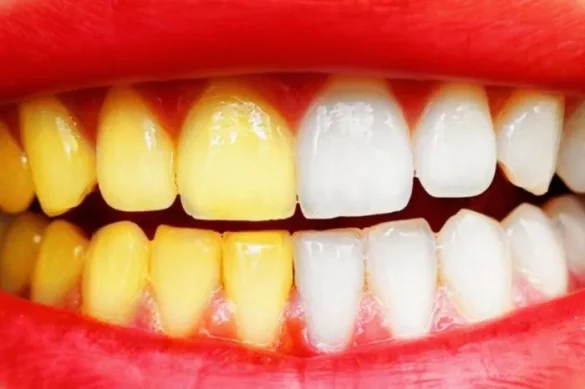
It is common to feel frustrated when you brush your teeth every day but still notice that they are yellow. Many people believe that regular brushing should be enough to keep teeth white and bright. However, tooth color is affected by a range of factors, and brushing alone may not address all of them. Understanding the reasons behind persistent yellow teeth can help you take the right steps toward a whiter smile.
Why Tooth Color Varies
Tooth color naturally varies from person to person. The outer layer of the teeth, called enamel, is typically whitish. However, the layer underneath, called dentin, has a yellowish tint. The thickness and quality of enamel play a big role in how yellow your teeth appear. If your enamel is thin or worn down, more of the yellow dentin underneath will show through. Genetics can determine both the natural color of your enamel and how quickly it wears away.
The Limits of Brushing Alone
Brushing your teeth every day is essential for keeping your mouth healthy. It removes food particles and prevents plaque buildup. However, brushing alone may not be enough to prevent yellowing. Tooth discoloration can come from sources that brushing cannot fully remove. For example, some stains are embedded below the surface of the enamel or come from ongoing habits that brushing does not address.
Dietary Factors That Cause Yellow Teeth
The foods and drinks you consume every day play a large role in tooth color. Coffee, tea, red wine, cola, and dark-colored fruits can stain teeth over time. Acidic foods can also weaken enamel, making it easier for stains to stick and for yellow dentin to show through. Even healthy fruits like berries and beets can leave stains if you consume them often.
Effect of Tobacco and Smoking
Smoking and the use of tobacco products are major causes of yellow or brown teeth. The tar and nicotine in these substances stain enamel and are very difficult to remove with brushing alone. The stains build up over time and can cause teeth to appear darker and yellower. Quitting smoking and avoiding tobacco is an effective way to protect the color and health of your teeth.
Poor Oral Hygiene Beyond Brushing
Brushing is only one part of a complete oral hygiene routine. Flossing and rinsing with mouthwash help remove food particles and plaque from areas that a toothbrush cannot reach. Not flossing can leave plaque on the sides of your teeth and along the gum line, which contributes to tartar and yellowing over time. Regular dental cleanings are needed to remove tartar, a hard deposit that brushing cannot remove.
Genetics and Natural Tooth Color
Some people are born with naturally yellower teeth due to the underlying color of their dentin or the thickness of their enamel. Genetics can also influence how quickly your enamel wears down as you age. If your parents have naturally yellow teeth, you may notice a similar color in your own teeth no matter how carefully you brush.
Side Effects of Certain Medications
Some medications can change the color of your teeth. For example, antibiotics like tetracycline can cause tooth discoloration, especially if they are taken during childhood while teeth are still developing. Other drugs, such as some antihistamines and blood pressure medicines, can also affect tooth color as a side effect.
Age and Tooth Yellowing
As people get older, the enamel on their teeth naturally becomes thinner. This gradual loss of enamel allows the yellowish dentin to become more visible. Age-related yellowing is natural and happens to nearly everyone, although good oral care can help slow down the process.
Health Conditions Affecting Tooth Color
Certain health conditions can impact the color of your teeth. Problems with the liver, kidneys, or digestive system can sometimes cause changes to tooth color. Poor enamel formation during childhood from chronic illness or malnutrition may result in yellow teeth even as an adult.
Use of Fluoride and Whitening Products
While fluoride is important for protecting enamel and preventing decay, too much fluoride can sometimes result in a condition called fluorosis. This causes discoloration or mottled patches on the teeth. Overuse of whitening products can also erode enamel, paradoxically making teeth look yellower as the dentin beneath becomes more visible.
When to See a Dentist
If you notice that your teeth remain yellow despite brushing every day, it may be time to talk to a dentist. Only a dentist can identify whether your discoloration is due to surface stains, enamel erosion, or another underlying condition. Professional dental cleanings and whitening treatments can make a big difference for many people. Your dentist can also give advice on avoiding further causes of discoloration.
Preventing and Treating Yellow Teeth
To keep your teeth as white as possible, combine daily brushing with flossing and regular dental visits. Avoid or limit foods and drinks that cause stains. Drink water after consuming staining beverages. If you smoke or use tobacco, consider quitting to protect both your oral health and tooth color. Dental professionals can offer a range of whitening treatments, from polishing to safe bleaching procedures, to help restore your natural tooth color.
Conclusion
Having yellow teeth even when you brush daily is common and usually results from factors beyond regular oral hygiene. Genetics, diet, lifestyle habits, and even some health conditions can all contribute. By understanding the causes and taking preventive steps, you can maintain a brighter, healthier smile. If you are concerned about the color of your teeth, consult a dentist for the most effective solutions.
Frequently Asked Questions (FAQs)
Why are my teeth yellow although I brush them twice a day?
Brushing removes surface plaque and stains, but many causes of yellowing come from below the surface or are linked to diet, genetics, or lifestyle habits that brushing alone cannot fix.
Can certain foods and drinks make my teeth yellow faster?
Yes, regular consumption of coffee, tea, red wine, sodas, and dark-colored foods can speed up staining, especially when combined with acidic foods that weaken enamel.
Does professional whitening help if brushing is not enough?
Yes, professional whitening treatments are more effective than home remedies or brushing alone. Dentists use stronger agents and ensure enamel safety.
How often should I see a dentist if I am worried about tooth color?
Visit your dentist twice a year for checkups and cleanings, or more often if you notice rapid changes in tooth color or have other oral health concerns.