


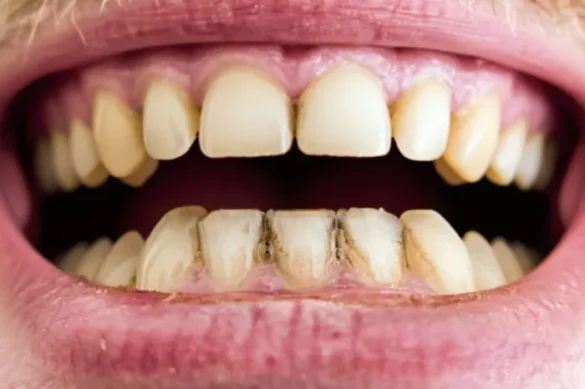
When people notice their teeth turning yellow, one of the first culprits often identified is cigarette smoking. While the cosmetic change may seem minor at first, understanding what in cigarettes makes your teeth yellow reveals significant concerns for both oral health and self-confidence. Smoking not only affects the brightness of your smile but deeply impacts the health of your mouth in ways many people do not expect.
What Exactly Causes Teeth to Turn Yellow from Smoking?
The substances in cigarettes responsible for teeth staining are primarily nicotine and tar. Every time you light a cigarette, these chemicals are released and interact directly with your teeth. Nicotine is actually colorless by itself, but it undergoes a chemical change when exposed to oxygen, becoming yellowish. Tar, on the other hand, is naturally dark and sticky. Both substances are notorious for causing stubborn stains that are difficult to remove.
The Role of Nicotine
Nicotine may seem harmless in terms of color, yet once oxygen comes into play, it transforms. This new form, which is yellowish, easily attaches to tooth surfaces. Since the outermost layer of the tooth is porous enamel, the yellow nicotine can seep into the small openings. This process results in deep, lasting discoloration. Over time, the more someone smokes, the greater the accumulation, causing teeth to develop a pronounced yellow shade.
The Impact of Tar
Tar is a thick, brown or black substance found in cigarette smoke. Compared to nicotine, tar is even more responsible for the severe dark brown stains seen on the teeth of heavy smokers. When cigarettes are burned, tar not only enters your lungs but also coats the surfaces inside your mouth, including your teeth. The sticky property of tar ensures that it adheres strongly to enamel, trapping food particles, bacteria, and staining compounds from other sources.
How Do These Substances Affect Enamel?
Enamel, although hard, is not perfectly smooth—it has tiny pores invisible to the naked eye. Nicotine and tar find their way into these pores, getting locked in and creating stains that go beyond the surface. That is why typical brushing might only remove some of the discoloration, leaving deeper stains untouched. Over time, the combination of repeated exposure and porous enamel results in noticeable yellowing that cannot easily be cleaned away.
Sticky Residue and the Spread of Stains
Cigarette smoke leaves a sticky layer on the teeth. This film traps extra food debris, plaque, and other materials that further worsen stains. That is why, even after brushing, smokers often find their teeth do not feel or look as clean. Plaque buildup, in turn, can make the yellowing process much faster, especially for people who do not follow strict oral hygiene routines.
How Quickly Can Smoking Cause Yellow Teeth?
For some people, teeth may begin to show signs of yellowing just after a few months of regular smoking. The rate at which discoloration appears depends on how often you smoke, your oral hygiene habits, and whether you consume stain-causing foods or drinks along with cigarettes. Frequent smokers are much more likely to experience severe yellowing. Even with good oral care, continued exposure to nicotine and tar will eventually overwhelm the enamel’s natural defenses.
Other Oral Health Problems Linked to Smoking
Teeth discoloration is just one problem smoking can cause inside your mouth. Smokers are also at higher risk of persistent bad breath and gum disease. This is partly due to the lingering tobacco particles in the mouth and decreased ability of the immune system to fight infection. This immune response shortfall makes it harder for your gums to heal or resist bacteria, raising your risk for tooth decay and even oral cancer.
Why Is It So Difficult to Remove Smoking Stains?
Unlike stains from coffee, tea, or red wine that generally rest on the surface, stains from nicotine and tar penetrate deeply into the enamel. Regular toothpaste and brushing only clean the outermost part of the tooth and are not suitable for eliminating entrenched discoloration. Whitening products can help with surface stains, but for heavy smokers, professional treatments such as in-office dental bleaching or custom whitening trays are often needed to make a noticeable difference.
Preventing Yellow Teeth From Smoking
The single most proactive step is to quit smoking. Once exposure stops, new stains will not form, and dental cleaning becomes far more effective. For those who are unable to stop immediately, it is important to brush and floss regularly using fluoride toothpaste, and to schedule routine dental cleanings. Whitening toothpaste can provide some help by scrubbing away mild surface discoloration, but they cannot address deeply embedded stains.
Dentists recommend using antiseptic mouthwash to minimize plaque, chewing sugar-free gum to stimulate saliva production (which helps clean teeth), and drinking water after smoking to rinse away residue. Avoiding additional stain-causing foods like coffee and red wine will also help slow the yellowing process. Overall, a comprehensive oral care routine makes a considerable difference for anyone at risk.
Treatment Options for Yellow Teeth Due to Smoking
Professional teeth whitening at the dentist’s office is often the most reliable way to address staining from cigarettes. These procedures use special bleaching agents that can reach deeper layers of enamel. Some dentists also provide custom take-home whitening kits for gradual improvement. Regular dental checkups allow your provider to monitor staining and identify other oral health risks before complications arise.
While there are over-the-counter whitening products, their effects tend to be limited for smokers. Only dental professionals can assess the severity and recommend the most effective approach based on how deep the stains go and the condition of your teeth.
The Importance of Routine Dental Visits for Smokers
Frequent dental checkups are not just about cleaning. Dentists can remove harmful plaque and tartar that store yellow stains, spot early warning signs of gum disease and oral cancer, and provide personalized advice for restoring your smile. Smokers especially benefit because professional care helps manage the risks linked to tobacco.
Conclusion
Cigarettes contain potent substances such as nicotine and tar that are directly responsible for staining teeth yellow. These chemicals penetrate tooth enamel, causing deep, hard-to-remove discoloration that affects appearance and oral health. Quitting smoking is the strongest action you can take to prevent yellow teeth and safeguard your smile. For persistent stains, seek professional dental whitening treatments, maintain excellent oral hygiene, and make regular visits to your dentist. The relationship between smoking and yellow teeth serves as a clear example of how lifestyle choices impact dental health—and why taking steps toward cessation and care is so important.
FAQs
1. Why can’t regular brushing completely remove smoking stains?
Regular brushing only cleans the outer layer of enamel and cannot reach deep stains from nicotine and tar that penetrate the pores.
2. Is there a way to prevent yellow teeth if I smoke?
Practicing strict oral hygiene, using whitening products, drinking water after smoking, and attending dental cleanings can slow the process, but quitting is the most effective measure.
3. Do e-cigarettes or vaping cause teeth yellowing?
Although e-cigarettes may lack tar, nicotine can still discolor teeth when exposed to oxygen, so risk remains.
4. How fast do teeth turn yellow from smoking?
Yellowing can begin after just a few months of regular cigarette use, especially in those with poor oral hygiene.
5. What is the most effective treatment for yellow teeth from smoking?
Professional dental whitening under a dentist’s care provides the deepest and most reliable removal of stains caused by smoking.