


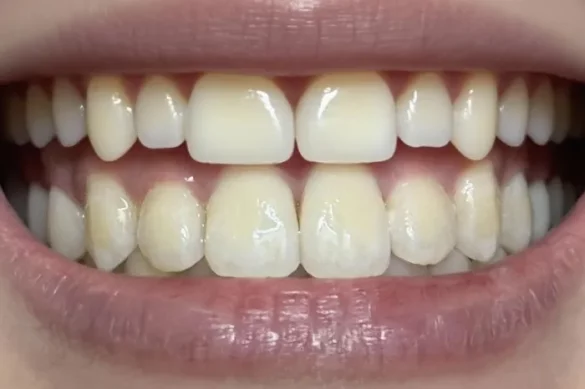
Many people notice that their “fang” teeth, also known as canine teeth, appear more yellow than their other teeth. This natural yellowish color can be a source of concern, especially for those striving for a bright and even smile. Understanding why fang teeth turn yellow can help you make informed decisions about your oral health and appearance.
What Are Fang Teeth?
Fang teeth, technically referred to as canine teeth, are the pointed teeth located between the incisors and premolars. Humans have four canines: two on the top and two on the bottom. These teeth are crucial for tearing food and guiding your bite.
Why Do Fang Teeth Look More Yellow?
Many people notice that their canine teeth stand out compared to their neighboring teeth. Often, the “yellowness” of fang teeth is actually a matter of color contrast and natural anatomy, not just stains or poor hygiene.
Natural Enamel and Dentin Differences
Tooth color is determined by the outer enamel layer and the inner dentin layer. Canine teeth usually have a thicker layer of dentin beneath the enamel compared to other teeth. Dentin is naturally yellow in color. If the enamel is thinner, or even perfectly normal but less opaque, the yellow dentin can show through more clearly.
Staining Due to Diet and Habits
Surface staining can also make fang teeth look yellow. Foods and drinks like coffee, tea, red wine, and sodas contain pigments that can stick to the tooth surface. Smoking or chewing tobacco are major contributors to yellow teeth. The porous nature of dental enamel allows these stains to embed over time, especially in areas where plaque tends to accumulate, like between and near canine teeth.
Types of Tooth Discoloration
Tooth discoloration falls into two main categories: extrinsic and intrinsic.
Extrinsic Discoloration
Extrinsic discoloration refers to stains that build up on the outside of the teeth. This may be caused by:
- Consuming staining foods and drinks
- Smoking or tobacco use
- Poor oral hygiene leading to plaque and tartar buildup
- Some mouthwashes containing certain antiseptics or chlorhexidine
Extrinsic stains usually affect the outer enamel layer. Fang teeth may collect more noticeable stains because they are larger and more prominent, making any discoloration more visible.
Intrinsic Discoloration
Intrinsic discoloration comes from changes inside the tooth. For canine teeth, this is usually due to:
- Trauma or injury causing pulp inflammation or necrosis
- Developmental conditions during tooth formation
- Certain medications, like tetracycline, taken during childhood
- Excess fluoride exposure during early years
Intrinsic stains are often more difficult to remove, and the tooth may look different from adjacent teeth.
Oral Hygiene and Yellow Fang Teeth
Poor oral hygiene is one of the most common reasons for yellow teeth overall. When plaque is not removed effectively, minerals from saliva can harden it into tartar, especially near the gum line and between teeth. Tartar is yellow or brown and can make canine teeth look even more off-color because they sit higher in the dental arch, catching more debris.
Brushing twice a day with a fluoride toothpaste and flossing once daily is crucial. Pay attention to cleaning around the canine teeth and their crevices.
Age-Related Changes
As we age, enamel naturally wears down. The thinning of the enamel allows the yellowish dentin underneath to show more clearly, especially on canines as they experience a lot of mechanical stress from chewing and biting.
Over the years, minor surface stains and micro-cracks in the enamel also accumulate, which can make fang teeth look more yellow compared to the rest of your smile.
Genetics and Individual Variation
Some people have naturally lighter or darker teeth. Genetic factors influence both enamel thickness and dentin color. If your parents have yellowish canine teeth, you may notice the same in your smile, even with excellent oral care.
Medical Causes of Yellow Canines
Certain conditions can result in yellow or discolored canine teeth:
- Enamel hypoplasia, a condition causing thinner enamel
- High fever during childhood affecting tooth development
- Use of medications such as tetracycline or doxycycline during tooth formation
- Fluorosis from excessive fluoride during early years
- Chronic illnesses or metabolic disorders affecting enamel formation
If only one fang tooth is yellow or dark, and especially if it is accompanied by discomfort, this can indicate trauma or even nerve death inside the tooth and should be checked by a dentist immediately.
Solutions for Yellow Fang Teeth
There are several approaches to improving the color of your canine teeth. The correct method depends on the cause of the discoloration.
Improved Oral Hygiene
Effective brushing and flossing remove surface stains before they become persistent. Consider using an electric toothbrush and a whitening toothpaste with low abrasion. Regular dental checkups and professional cleanings also help prevent the buildup of new stains and tartar.
Diet and Lifestyle Adjustments
Cut down on foods and drinks that are known to stain teeth. If you can’t avoid your favorite beverages, rinse your mouth with water afterward or use a straw to reduce contact with the teeth. Quitting tobacco products leads to significant improvements in tooth color and general oral health.
Professional Teeth Whitening
Professional teeth whitening is a highly effective solution for extrinsic stains not responding to over-the-counter whitening. Dental professionals use safe and controlled bleaching agents that target deep-set stains. Results are often immediate, and sensitivity is minimized.
Cosmetic Dental Treatments
For intrinsic stains, injury-related discoloration, or severe cases that do not respond to whitening, cosmetic strategies like dental bonding or porcelain veneers may be suggested. These methods cover the visible portion of the tooth, restoring natural shape and brightness.
When to See a Dentist
You should see a dental professional if:
- Only one canine tooth is yellow or getting darker
- There is pain, sensitivity, or swelling in the gum nearby
- Whitening products are not effective on discoloration
- You have a history of trauma to your teeth
A thorough examination can rule out underlying issues and identify the most suitable treatment.
Preventing Yellowing of Fang Teeth
Prevention is always more effective than treatment. Here are some practical steps:
- Maintain strict oral hygiene habits
- Limit consumption of staining foods and beverages
- Avoid tobacco in all forms
- Visit your dentist regularly for cleanings and exams
- Wear protective gear if you play contact sports to reduce risk of dental trauma
Conclusion
Yellow fang teeth are a common cosmetic concern, but in most cases, the underlying causes are manageable with the right approach. Whether it’s related to natural anatomy, surface stains, or underlying tooth issues, understanding why canine teeth appear yellow can help you choose the best method to restore and maintain a brighter smile. Employing good oral hygiene, making healthy lifestyle choices, and seeking timely professional dental care are key steps for healthy, attractive teeth.
Frequently Asked Questions
Why do only my fang teeth look yellow compared to the others?
Fang teeth have thicker, more yellowish dentin and sometimes thinner enamel, making them stand out in color compared to your other teeth.
Can yellow fang teeth be whitened at home?
Surface stains can often be improved with whitening toothpaste and proper brushing, but deeper or intrinsic stains require professional treatment.
Is yellowing of fang teeth a sign of a serious health problem?
Usually not, especially if the process is gradual and symmetrical. However, sudden yellowing or discoloration of only one canine tooth could indicate trauma or dental pulp problems that need professional assessment.
How fast can professional teeth whitening improve yellow fang teeth?
Professional in-office whitening can show dramatic results in a single visit but may require multiple sessions depending on the cause and depth of stains.
Will whitening damage my fang teeth?
When performed by a licensed dental professional, teeth whitening is safe and does not harm tooth enamel or structure.