


Cavities are a common dental issue that can affect anyone, regardless of age, when oral hygiene habits are not properly maintained. When cavities go untreated, they can cause a cascade of dental problems that may result in pain, infection, and even irreversible damage. Understanding what happens when cavities are ignored is crucial for maintaining both oral health and overall well-being.
What Is a Cavity?
A cavity, also known as dental caries, is a permanent damage that occurs on the hard surface of a tooth. Cavities result from the breakdown of tooth enamel due to acids produced by bacteria in the mouth. These bacteria feed on the sugars and starches left on teeth after meals, creating corrosive acids that wear away enamel. Over time, holes or openings form in the tooth, leading to what is commonly known as a cavity.
How Do Cavities Develop?
Cavities start with the accumulation of plaque, a sticky film made of bacteria and food particles. Sugary foods and drinks provide the preferred nutrition for plaque bacteria, which then produce acids that erode the protective enamel. If this acid attack continues unchecked, it can cause a hole in the enamel—the first stage of a cavity. Plaque that is not removed by brushing and flossing can also harden into tartar, further protecting harmful bacteria and increasing the risk of more severe decay.
Early Signs of a Cavity
In the initial stages, cavities may not cause any pain or visible changes. However, some early warning signs can include:
- Sensitivity to hot, cold, or sweet foods and drinks
- Visible discoloration or dark spots on the tooth
- Mild toothache or discomfort
Recognizing these symptoms and seeking dental advice can help prevent the progression of tooth decay.
What Happens When Cavities Go Untreated?
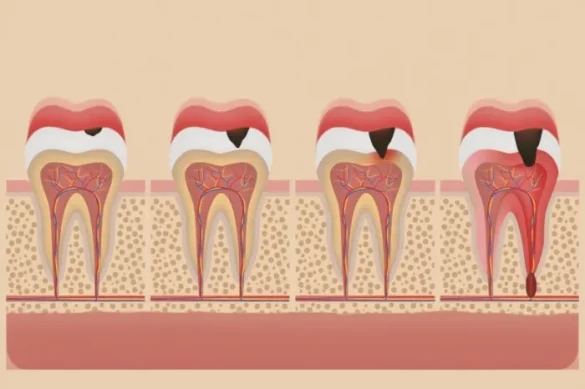
Leaving a cavity untreated allows tooth decay to progress deeper into the tooth, causing worsening symptoms and more serious health complications. Here is what can happen as decay worsens:
Stage 1: Enamel Decay
When the decay is limited to the tooth’s outer layer (enamel), you may only experience mild sensitivity. At this stage, the cavity can be treated with a simple filling, and the tooth can be restored to normal function with minimal intervention.
Stage 2: Dentin Decay
If untreated, the cavity advances into the dentin, the softer tissue beneath the enamel. At this point, pain and sensitivity often intensify. The erosion of dentin provides bacteria with easier access to the inner parts of the tooth, setting the stage for infection.
Stage 3: Pulp Involvement
When decay reaches the tooth pulp—the innermost part containing nerves and blood vessels—it becomes much more painful and dangerous. The tooth pulp can become infected, causing severe toothache, swelling, and sometimes the formation of an abscess. A dental abscess is a pocket of pus that accumulates near the affected tooth, and can spread infection to the surrounding tissues, including your jaw and, in rare cases, other parts of the body.
Stage 4: Advanced Infection and Tooth Loss
If intervention is further delayed, infection may destroy the pulp tissue, leading to the death of the tooth. Severe cases often require root canal therapy, and if the tooth cannot be saved, extraction might become necessary. Missing teeth can impact your ability to chew and speak and may cause changes in the appearance of your smile.
Risks and Health Problems Linked to Untreated Cavities
Failing to manage cavity development through proper oral hygiene and timely dental treatment can have serious consequences, including:
Increased Tooth Pain and Sensitivity
As the cavity deepens, pain can shift from mild discomfort to ongoing, sharp aches, especially when eating or drinking. Tooth sensitivity often increases, making it difficult to enjoy hot, cold, or sweet foods.
Gum Disease
Untreated cavities can irritate or infect nearby gums, causing inflammation, bleeding, and sometimes leading to gum disease. Gum disease is characterized by swollen, red, and sometimes bleeding gums that may have a receding appearance.
Tooth Abscess and Infection
Advanced decay can create abscesses—painful pus-filled pockets that can destroy bone and soft tissue, and occasionally allow bacteria to enter the bloodstream. In rare circumstances, untreated dental abscesses can result in systemic infections, threatening overall health.
Tooth Loss
Structural integrity of the tooth diminishes as decay spreads through enamel, dentin, and pulp. Eventually, the tooth may become so damaged that extraction is the only viable option. Tooth loss affects not only oral function but also the alignment of surrounding teeth and may impact self-confidence.
Difficulty Eating and Nutrition Problems
Severe tooth pain or loss caused by an untreated cavity can make chewing food difficult. This can reduce food choices and impair nutritional intake, affecting overall health, particularly in children and older adults.
Aesthetic Concerns
Untreated cavities tend to cause visible tooth discolouration and damage, resulting in loss of a natural, healthy smile. Over time, missing or visibly decayed teeth can harm self-esteem and social confidence.
How Are Cavities Treated?
Timely treatment is key to stopping tooth decay and restoring dental health. Depending on the extent of decay, treatment options include:
Dental Fillings
For minor and medium-sized cavities, dentists remove the decayed part of the tooth and fill it with materials such as composite resin or dental amalgam. This halts further decay and restores the natural function of the tooth.
Root Canal Therapy
If the decay has reached the pulp, root canal treatment may be necessary. In this procedure, the infected pulp is removed, the chamber is cleaned, and the tooth is sealed with a protective crown. This saves the tooth from extraction and relieves pain.
Tooth Extraction
When a tooth cannot be saved due to severe decay, it must be removed. Tooth extraction ensures that infection does not spread, but then the patient may require a dental prosthesis, such as an implant, to restore function.
Preventing Cavities: Best Practices
To avoid the risks and complications of untreated cavities, regular dental care and good oral hygiene habits are essential.
- Brush your teeth twice daily using fluoride toothpaste to help strengthen enamel and protect against cavities.
- Floss every day to remove plaque from between your teeth where your toothbrush cannot reach.
- Reduce consumption of sugary and sticky foods and drinks that promote bacterial growth.
- Visit your dentist regularly for professional check-ups and routine cleanings to detect any dental issues early.
- Ask your dentist about fluoride treatments or dental sealants for additional protection against decay.
Conclusion
Leaving cavities untreated is never a wise decision. Even minor signs of decay indicate the need for professional attention. If ignored, cavities can lead to escalating pain, gum disease, tooth abscesses, and ultimately tooth loss. These oral problems not only harm dental health but also can disrupt overall health and well-being. Taking steps to recognize early symptoms, practicing good oral hygiene, and seeking regular dental care are key to enjoying a healthy smile for life.
Frequently Asked Questions
What are the first signs that I may have a cavity?
Common signs include tooth sensitivity to heat or cold, localized pain, and visible discoloration or spots on the enamel.
Can a cavity heal by itself without treatment?
Once a cavity forms, it does not heal naturally. Only professional dental treatment can restore a decayed tooth.
Is it possible to prevent all cavities?
While not all cavities can be fully prevented, regular brushing, flossing, healthy diet choices, and professional dental check-ups greatly reduce your risk.
What happens if a dental abscess from an untreated cavity is not treated?
An untreated dental abscess may lead to serious infections in the jaw, surrounding tissues, and even spread to other organs, becoming a medical emergency.
How often should I visit the dentist to prevent cavities?
Most experts recommend a professional dental check-up and cleaning at least twice a year, or more often if you are at increased risk for dental decay.