


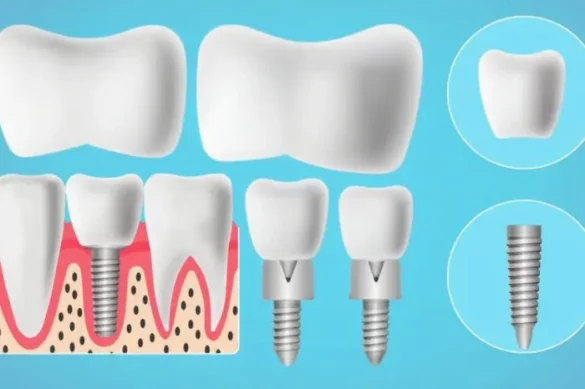
Dental implants are a modern and lasting solution to replace missing teeth. However, many people face obstacles when it comes to paying for this treatment. Dental implants are expensive, and the costs can add up quickly, especially if you need more than one. For many patients, dental insurance can help—but understanding which insurance company pays for dental implants is essential before moving forward.
Understanding Dental Implant Insurance Coverage
Dental insurance plans are not all the same, particularly when it comes to major procedures like dental implants. Coverage depends on your specific policy and the insurance provider. Some companies offer implant coverage, while others may exclude it altogether or only cover related parts, like crowns or abutments. That is why it is always essential to check with your insurance provider before starting treatment.
Dental implants are often categorized as a major dental procedure. Many plans only pay a portion of the cost, usually between 10% and 50%, after your deductible is met. Coverage is also affected by waiting periods, annual maximums, and policy exclusions. Some insurance companies may only pay for implants if they are deemed medically necessary, not just for cosmetic reasons.
Which Insurance Companies Pay for Dental Implants?
There are several insurance companies that help cover the cost of dental implants. It is important to note that the level of coverage, waiting periods, and annual maximums can differ for each provider and plan.
Delta Dental
Delta Dental is a well-known dental insurer in the United States. Many of its plans offer coverage for dental implants, typically up to 50% of the cost after the deductible is met. Coverage may become available after a waiting period of around six months. However, it is crucial to check your policy details, as some lower-tier plans may not include implant coverage at all.
MetLife
MetLife offers dental policies that sometimes cover dental implants. Like Delta Dental, MetLife often pays 50% of the allowed cost after the deductible, with a waiting period (often about 12 months) before implant procedures are covered. Always read your policy to find out whether implants are classified as a covered major dental service.
Anthem Blue Cross Blue Shield
Anthem Blue Cross Blue Shield provides dental insurance that can include implant coverage. Many plans pay 50% after a six-month waiting period and a deductible. Plan details vary by region and employer, so confirm coverage before scheduling any procedures.
Physicians Mutual
Physicians Mutual is another insurer offering dental plans that may cover implants. Some policies pay 25% of the implant cost, which is lower than that of other companies. Physicians Mutual may also require longer waiting periods, typically around 12 months.
DentaQuest
DentaQuest offers multiple dental insurance options, including some that cover implants. The company generally pays 50% (after deductible), but waiting periods can be as long as 18 months. Carefully review plan documents to see if implants are included and to understand all coverage rules.
How Much Do Insurance Companies Pay for Dental Implants?
The amount an insurance company pays for dental implants depends on several factors:
- Coverage percentage: Most plans cover between 10% and 50% of qualified implant costs, after the deductible.
- Deductible: This is the amount you must pay out of pocket before insurance starts to pay its share.
- Waiting periods: Many implant policies require you to wait 6 to 18 months before coverage begins.
- Annual or lifetime maximums: Insurers usually limit the total they will pay for dental procedures each year or over your lifetime, which can cap the benefit you receive.
For example, if Delta Dental pays 50% of the implant cost after a $100 deductible, and the implant costs $2,000, they would pay $950 ($2,000 – $100 deductible = $1,900; 50% of $1,900 is $950). You would pay the remaining $1,050, plus any costs for components that are not covered, such as abutments or crowns.
Factors That Affect Dental Implant Coverage
Not all policies are alike, and your share of the costs can depend on several policy features:
Pre-Authorization
Many insurance providers require pre-authorization, meaning your dentist must submit a treatment plan, cost estimate, and medical documentation before the insurer approves coverage. This step helps you understand your costs before committing to treatment.
Medically Necessary vs Cosmetic
Insurance companies are more likely to pay for implants if they are medically necessary, not just for appearance. For example, implants required to restore function after an accident often have better coverage than those done for cosmetic reasons. If your insurer denies the claim, you may have the right to appeal.
Coverage Frequency and Limits
Some plans will only cover a certain number of implants each year or within your lifetime. Annual or lifetime maximums can limit the total amount paid for implant-related services.
How to Find Out What Your Plan Covers
To see if your insurance company pays for dental implants, follow these steps:
- Review your policy carefully. Look under the “major services” section or call your provider for details.
- Ask your dentist for a treatment plan and cost estimate. Submit this information to your insurer for review.
- Contact your insurance provider and ask specific questions about limitations, waiting periods, excluded services, and your annual/lifetime maximums.
- Get confirmation in writing for the coverage you are promised.
Other Ways to Save on Dental Implants
Even with insurance, dental implants can be costly. Here are some additional options to help manage the price:
- Nonprofit dental clinics and dental schools often offer implants at reduced rates.
- Dental savings plans can provide discounts on implants for a yearly membership fee.
- Health savings accounts (HSA) or flexible spending accounts (FSA) allow you to pay for qualified medical and dental expenses using pre-tax dollars, which may reduce your out-of-pocket cost if implants are not strictly cosmetic.
Conclusion
Understanding which insurance company pays for dental implants—and the terms under which they do so—can make a big difference in your total costs and treatment choices. Delta Dental, MetLife, Anthem Blue Cross Blue Shield, Physicians Mutual, and DentaQuest are among the companies that provide some coverage for dental implants, but policy details vary greatly. Always review your specific plan, talk with your dentist and insurance company, and consider all available options before proceeding with implants. With the right preparations, you can make dental implants more affordable and restore your smile with confidence.
Frequently Asked Questions
Which Insurance Plans Cover Dental Implants?
Major insurers like Delta Dental, MetLife, Anthem Blue Cross Blue Shield, Physicians Mutual, and DentaQuest often provide partial coverage for dental implants, depending on your plan.
What Percentage Do Insurance Companies Typically Pay for Dental Implants?
Most dental insurance plans that cover implants pay between 25% and 50%, after the deductible and subject to waiting periods.
Are There Waiting Periods for Dental Implant Coverage?
Yes, waiting periods can range from six months to 18 months before coverage for major procedures like implants begins.
Can I Get Dental Savings Plans for Implants if Insurance Does Not Cover Them?
Yes, dental savings plans often provide discounted rates for implants. These plans are an alternative if you lack traditional insurance coverage.
What If My Dental Implant Claim Is Denied by Insurance?
You can file an appeal with supporting documentation and ask for a review. Make sure to meet all deadlines and provide any necessary dental or medical records.