


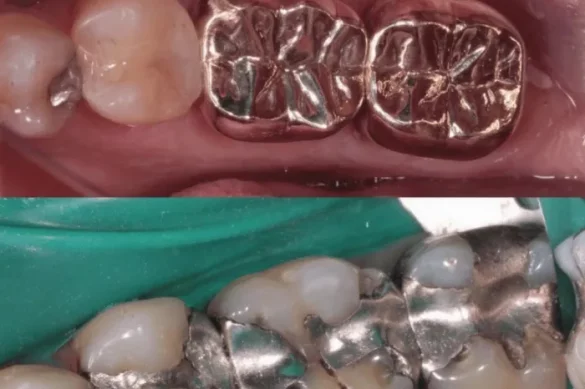
Silver tooth fillings, often referred to as “silver fillings,” are a common dental restoration used to repair teeth affected by cavities. Despite their name, they are not made solely from silver. Instead, these fillings are crafted from a material called dental amalgam. This article explores in detail what silver tooth fillings are made of, why these specific materials are used, their benefits, and potential risks.
What Are Silver Tooth Fillings?
Silver tooth fillings are a popular option for treating dental decay. Dentists use these fillings to restore the structure and function of teeth after removing decayed portions. While they are commonly described as “silver fillings” due to their color, their composition is more complex. The correct term for these fillings is “dental amalgam.”
Main Ingredients of Dental Amalgam
Mercury
The primary ingredient in dental amalgam is elemental mercury. Mercury makes up about 50% of the amalgam by weight. Mercury is unique because it is a liquid at room temperature and can bind well to powdered metals. In the amalgam, mercury helps hold the other metals together, forming a durable and solid filler for the cavity.
Silver
Silver is the second most significant component. It provides strength, durability, and a classic metallic appearance. Silver is valuable in dental fillings because it helps the material resist corrosion and wear inside the mouth.
Tin
Tin is added to the amalgam mix to improve its handling and working properties. It enhances the material’s ability to blend and work well with mercury and silver, making the filling material easier to place and shape during dental procedures.
Copper
Copper is included to increase the strength of the final filling and reduce the risk of corrosion. It also helps the amalgam harden faster.
Other Trace Metals
Sometimes, dental amalgam can contain small amounts of other metals such as zinc. These are usually present in very low concentrations to refine the properties of the filling material. However, mercury, silver, tin, and copper make up the main substances in silver tooth fillings.
How Is Dental Amalgam Made?
When a dentist needs to place a silver filling, the process involves mixing liquid mercury with a dry, powdered alloy containing silver, tin, and copper. This freshly-mixed material is soft and putty-like, allowing the dentist to carefully shape it inside the prepared cavity. The material quickly hardens and becomes strong enough to handle chewing and biting forces.
Why Is Mercury Used in Dental Amalgam?
Mercury is used because it can bind the metal powders together, forming a sturdy and long-lasting material. The chemical properties of mercury make it central to the reliability of dental amalgam. While mercury can be harmful in some forms and concentrations, it is critical for producing amalgam fillings that withstand chewing pressure over time.
The Difference Between Mercury in Amalgam and Other Sources
The mercury in silver tooth fillings is elemental mercury. This is different from the organic form found in some seafood, known as methylmercury. The mercury in amalgam can sometimes release very low levels of vapor, which can be inhaled and absorbed by the lungs. The body processes these forms of mercury differently, and scientists continue to study the long-term effects of mercury exposure from dental fillings.
Strengths of Silver Fillings
Dental amalgam has several advantages as a filling material:
- It is very strong and resists breaking, making it excellent for repairing larger cavities.
- Amalgam can withstand the pressure of chewing, especially in back teeth.
- It is often more affordable than composite or ceramic options.
- Dentists have used amalgam safely for over 150 years around the world.
- It is less sensitive to moisture during placement, making it practical for difficult areas.
Potential Risks and Safety Concerns
Even though mercury is an essential part of dental amalgam, safety is an important issue. Amalgam fillings release small amounts of mercury vapor, especially when placed or removed. Most scientific studies show these levels are safe for the general population, but some groups may be more sensitive to mercury, such as:
- Pregnant women and their unborn children
- Women planning to become pregnant
- Nursing mothers and infants
- Young children (especially under six)
- People with kidney problems
- People with neurological diseases
- Individuals allergic to mercury or other filling materials (silver, copper, tin)
In these groups, dentists may recommend alternative types of fillings. If you have existing silver fillings that are in good condition, experts do not advise removal or replacement simply to reduce mercury exposure. Removal can expose you to more mercury vapor and damage healthy tooth structure unnecessarily.
Allergic Reactions and Sensitivities
Some people can develop sensitivity or allergic reactions to the materials in dental amalgam. These reactions are rare but possible. Symptoms may include oral lesions or other forms of discomfort. If you have a history of allergies to metals, it is essential to discuss this with your dentist before choosing a filling material.
Alternatives to Silver Fillings
Dentistry offers other filling materials for those who choose to avoid dental amalgam. Common alternatives include composite resins, ceramic materials, and glass ionomer cements. These options do not use mercury and may be preferred for patients who are concerned about sensitivity or are in a high-risk group.
Longevity of Silver Fillings
The durability of any filling depends on many factors, including the size and location of the cavity, your diet, and oral hygiene habits. Silver fillings typically last 10 to 15 years or longer, though some may last far beyond this timeframe.
Environmental and Regulatory Aspects
Authorities like the U.S. Food and Drug Administration (FDA) and the Environmental Protection Agency (EPA) monitor the safety and disposal of dental amalgam. Proper procedures ensure minimal risk to patients and the environment.
Conclusion
Silver tooth fillings, more accurately called dental amalgam fillings, are made mainly of mercury, silver, tin, and copper. These fillings are strong, durable, and have served as a reliable choice for over a century. However, some individuals may need to consider alternatives, especially if they belong to a group sensitive to mercury. It is important to discuss your options and any concerns with your dentist. Always practice good oral hygiene and attend regular dental checkups to maintain healthy teeth and dental work.
Frequently Asked Questions
What are the main ingredients in silver tooth fillings?
The main ingredients are mercury (about 50%), silver, tin, and copper.
Are silver fillings safe?
For most people, silver fillings are considered safe. Some groups may be more sensitive to mercury exposure and may need alternatives.
How long do silver fillings last?
With proper care, silver fillings can last from 10 to 15 years or even longer.
Should I have my silver fillings removed?
If your fillings are in good condition and there are no signs of decay or damage, removal is not recommended only due to concerns about mercury.
What are the alternatives to silver fillings?
Alternatives include composite resin fillings, ceramic fillings, and glass ionomer cements, which do not contain mercury.