


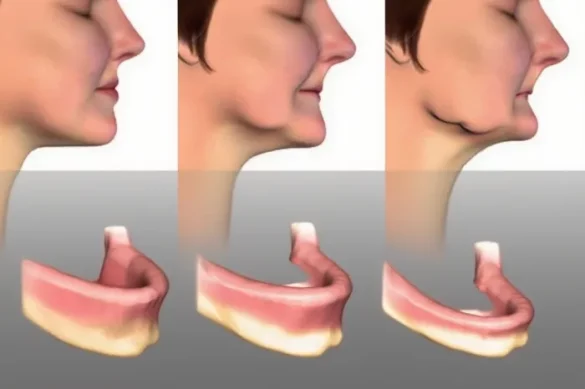
Tooth extraction is a not unusualplace dental procedure, regularly achieved to alleviate pain, cast off infection, or manipulate intense teeth fractures. However, the elimination of a teeth triggers a fixed of organic activities that notably effect the helping alveolar bone. This bone, which holds enamel firmly in place, undergoes terrific adjustments after extraction, and knowledge those procedures is crucial for each sufferers and dental professionals.
What Is the Alveolar Bone?
The alveolar bone is the jawbone section that surrounds and helps every teeth. It’s a part of the maxilla and mandible, forming the sockets—called alveoli—in which teeth roots anchor. This bone reacts to each the presence and lack of mechanical stimuli, including chewing. When a teeth is present, ordinary strain carried out thru the teeth maintains the bone healthful and dense.
Immediate Effects at the Alveolar Bone After Extraction
As quickly as a teeth is extracted, an empty socket stays withinside the alveolar ridge. This socket first fills with blood, forming a clot. Over the following couple of days, the frame initiates recovery as gentle tissue starts to develop over the web website online. While the floor can also additionally appear to heal quickly, deeper adjustments are taking place withinside the bone beneath.
The loss of mechanical strain leads the bone to forestall regenerating at its common rate. Without stimulation, bone cells referred to as osteoclasts start to interrupt down the bone tissue. In the weeks that follow, this effects withinside the socket partitions slowly dissolving and the extent of bone tissue shrinking.
Bone Resorption: Why Does the Alveolar Bone Shrink?
Bone resorption is a herbal reaction to teeth loss. Normally, chewing transmits forces thru the teeth into the bone, stimulating bone maintenance. After extraction, those forces disappear. The frame, sensing much less want for bone in that area, will ‘remodel’ the web website online through dissolving a number of the bone, especially at the outside (buccal or cheek side) of the socket. This technique can motive the ridge to decrease each in width and top.
Within the primary 3 to 6 months after extraction, as a good deal as forty to 60 percentage of the alveolar bone in that vicinity can be misplaced. Shrinkage is maximum fast in the course of the early months, however gradual bone loss can persist for years. The quantity misplaced relies upon on elements like age, standard health, pre-current periodontal disease, and whether or not the teeth became inflamed previous to extraction.
Impact at the Jaw and Appearance
Loss of alveolar bone creates now no longer best useful troubles however additionally esthetic issues. The discount in top and width of the bone can lead to:
- Collapsed and choppy jaw contours
- Gum recession and thinning of gentle tissues
- Loss of guide for the lips and cheeks, once in a while affecting facial appearance
- Challenges in putting dental crowns, bridges, or implants because of inadequate bone extent
If numerous adjoining enamel are extracted, ridge crumble may be even extra pronounced, complicating destiny restorative dental treatments.
Special Concerns: Anterior vs. Posterior Teeth
Bone loss styles and consequences can range relying on which enamel is removed. In the classy zone (the front of the mouth), retaining bone is specially essential to keep away from seen gum recession and assist the lips. The skinny bone on the the front of the mouth is mainly at risk of rapid resorption.
Socket Preservation and Guided Bone Regeneration
Dentists have evolved strategies to deal with post-extraction bone loss. Socket maintenance and guided bone regeneration (GBR) are generally used methods.
Socket maintenance entails filling the extraction socket with bone or a bone substitute. This cloth acts as a scaffold, assisting your frame regenerate bone over time. Sometimes a membrane is positioned over the pinnacle to maintain the cloth steady and save you the gums from developing into the recuperation area.
Guided bone regeneration works on a comparable principle, however is mainly beneficial whilst a affected person is making plans to have a dental implant withinside the destiny. After the enamel is removed, bone graft cloth and an synthetic or herbal membrane are positioned withinside the socket. The membrane guarantees that tender tissue does now no longer invade the space, permitting bone cells to repopulate and shape new bone. This approach can repair maximum of the socket’s top and width and substantially improves the probabilities for a hit dental implants.
Timing matters. Socket maintenance and guided bone regeneration are only whilst completed right away after extraction. This method removes the want for added destiny surgical procedures and might shorten remedy time earlier than dental implant placement.
Effects on Dental Implants and Prosthetics
Dental implants require enough bone for correct anchorage and long-time period stability. Significant bone resorption reduces the bone to be had for implants, on occasion making superior strategies like ridge augmentation or sinus lifts necessary. Prosthetic options, like bridges or dentures, additionally in shape extra securely and with ease whilst healthful alveolar bone is preserved.
Importance of Discussing Preventive Options With Your Dentist
If dental extraction is unavoidable, early session approximately socket maintenance and bone regeneration strategies is critical. These interventions can assist preserve your jawbone anatomy and gum contours, keep herbal facial appearance, and permit higher long-time period prosthetic results. Patients in search of implants for lacking tooth will advantage maximum from early bone maintenance.
Factors Affecting Alveolar Bone Changes
Several elements impact how a great deal bone can be misplaced after extraction:
- Pre-current contamination or periodontal disorder can boost up bone loss
- Age, standard health, and behavior like smoking can prevent bone recuperation
- The thickness and great of the unique bone and tender tissue have an effect on consequences
- The place withinside the jaw—the front regions generally lose bone extra speedy than the back
A complete assessment through a dental expert determines the satisfactory technique for every patient.
Conclusion
The outcomes of enamel extraction at the alveolar bone are massive and lengthy-lasting. Bone resorption starts offevolved rapidly, decreasing bone density and converting jaw shape, with implications for look and destiny dental treatments. Early interventions consisting of socket renovation and guided bone regeneration can decrease bone loss and enhance dental recovery success. Anyone watching for a enamel extraction need to have an open dialogue with their dental group approximately preventive alternatives to preserve oral health, look, and function.
Frequently Asked Questions
What is the alveolar bone?
The alveolar bone is the a part of the jaw that surrounds and helps teeth.
Why does bone cut back after enamel extraction?
When mechanical stimulation from the enamel disappears, the frame resorbs extra bone, inflicting the ridge to cut back.
Can bone loss after extraction be averted?
Bone loss may be minimized or averted with socket renovation or guided bone regeneration without delay after extraction.
How lengthy does bone resorption maintain post-extraction?
Most bone loss takes place in the first 3 to 6 months, however sluggish resorption can maintain for numerous years.
Is every person a candidate for bone grafting after extraction?
Most wholesome sufferers are suitable, however suitability relies upon on common health, oral condition, and unique case factors.