


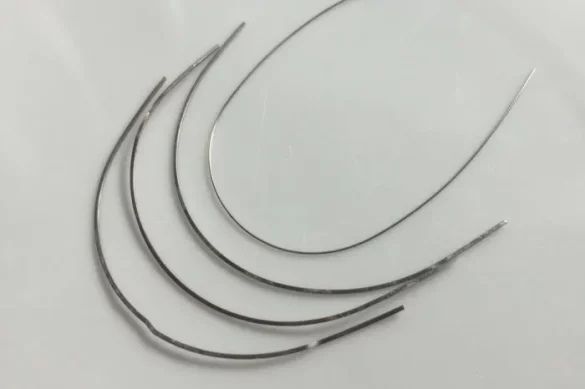
Archwires are the valuable factor in each set of braces, offering the pressure that steadily actions tooth into their accurate alignment. Although the brackets and different seen elements of braces regularly obtain the maximum attention, it’s miles the archwire, threaded thru those brackets, that simply courses your tooth into vicinity over months or years. Understanding what number of specific archwires there are, and the way they function, is important for everybody thinking about or present process orthodontic remedy.
What Is an Archwire?
An archwire is a thin, normally steel cord that connects to the brackets connected to every enamel. The archwire serves number one purposes: it presents gentle, non-stop pressure to transport tooth and it acts as a track, guiding every enamel into its right position. Each affected person has archwires at anyone time—one for the higher arch (pinnacle tooth) and one for the decrease arch (backside tooth). As the remedy progresses, orthodontists alternate those wires, steadily growing their thickness, energy, or cloth homes to match specific levels of motion.
Why Are Archwires Important in Braces?
The realignment of tooth in orthodontics does now no longer occur via way of means of twist of fate or via way of means of the brackets themselves. The pressure required to shift tooth is generated via way of means of the archwire. When the cord is connected to the brackets in your tooth, it applies pressure, which, over time, actions your tooth into higher alignment. This guided motion is cautiously deliberate via way of means of your orthodontist, who selects the sort and length of the cord primarily based totally in your precise remedy needs. Each alternate withinside the archwire method a brand new segment to your enamel motion journey.
How Many Types of Archwires Are There?
Orthodontic archwires are outstanding via way of means of numerous factors: the cloth from which they’re made, their form (cross-section), their pressure or flexibility, and their precise cause at every segment of remedy. Below, we wreck down archwires into their key kinds primarily based totally on those specific criteria.
By Material
Archwires are maximum generally crafted from 3 foremost materials, every presenting precise blessings for specific remedy phases:
1. Nickel-Titanium (NiTi) Archwires
Nickel-titanium wires are the maximum elastic and bendy many of the generally used archwires. They are well-known for his or her “memory”—the cappotential to go back to their unique form even after being bent. NiTi archwires are perfect at the start of remedy whilst tooth can be fairly misaligned. Their gentle, non-stop pressure makes preliminary motion greater cushty and effective.
2. Stainless Steel Archwires
These wires are famend for his or her energy and durability. They are used whilst greater substantial pressure is wanted to transport the tooth, specially in center and later remedy levels. Stainless metal is much less bendy than nickel-titanium, however it’s miles robust and green at guiding tooth into their very last position. For many patients, chrome steel will become the primary cord as tooth end up straighter.
3. Beta-Titanium (TMA) Archwires
Beta-titanium archwires offer a stability among flexibility and power. They are extra bendy than chrome steel however more potent than nickel-titanium. Orthodontists regularly use TMA archwires withinside the intermediate levels or whilst nuanced manage over teeth motion is required. Beta-titanium is likewise biocompatible, making it a secure preference for maximum patients.
4. Copper-Nickel-Titanium Archwires
A much less not unusualplace however superior option, copper-nickel-titanium archwires upload copper to the NiTi alloy. This inclusion affords higher temperature balance and steady pressure delivery, that could similarly lessen soreness and doubtlessly accelerate remedy for positive patients.
By Shape or Cross-Section
Archwires additionally are available in diverse shapes, which have an effect on how they circulate tooth:
- Round wires: Used withinside the early stages, spherical archwires are perfect for preliminary alignment. Their mild strain guarantees consolation at the same time as beginning to manual tooth with out stressing the roots.
- Rectangular or rectangular wires: These wires grow to be vital withinside the later levels. Their large length and larger cross-phase permit the twine to have interaction with all bracket slots, supplying extra manage for fine-tuning teeth role and torque.
By Thickness
The thickness of the twine selected relies upon at the remedy phase:
- Initial Phase Wires (e.g., 0.014″–0.016″): These skinny wires are very bendy and might thread thru crowded tooth with out widespread soreness.
- Middle Phase Wires (e.g., 0.018″–0.020″): As alignment improves, thicker wires are used to offer extra power and manage similarly actions.
- Final Phase Wires (e.g., 0.019″×0.025″ or large): The thickest, regularly square wires are used for specific completing to make sure every teeth is in its right area earlier than the braces come off.
How Many Archwires Will You Have During Treatment?
Every braces affected person will normally have numerous unique archwires over the route of remedy. The variety of precise wires used relies upon at the orthodontic plan, how your tooth respond, and whether or not any extra wires or strong point wires are required for particular adjustments. It isn’t uncommon for a affected person to undergo 3 to 6 differing types or thicknesses of archwires consistent with dental arch for the duration of their complete remedy.
At any unmarried moment, you may have archwires to your mouth—one for the higher arch and some other for the decrease arch—being periodically modified as your remedy progresses.
How Do Orthodontists Choose Which Archwire to Use?
Orthodontists depend on their know-how and your remedy level to determine which twine to use. Early stages cognizance on flexibility and luxury to begin the alignment process, at the same time as later levels require extra pressure and power to finish actions and accurate chunk issues. Sometimes, particular dreams like rotating positive tooth or ultimate gaps can also additionally require strong point wires with precise shapes or bends.
The Wire Change Process: What to Expect
Wire modifications are a widespread a part of orthodontic care and take place each 4–eight weeks, relying in your progress. Each twine alternate brings you towards the very last result. Most sufferers enjoy moderate soreness after a twine is changed, which typically subsides in some days because the enamel start adapting to the brand new forces.
Why Understanding Archwires Matters to Patients
Knowledge empowers you as a affected person. By knowledge what number of kinds of archwires exist and the way they function, you may higher recognize the cautious making plans at the back of your orthodontic journey. This could make adjustment visits much less intimidating and inspire you to comply with your orthodontist’s care commands for the exceptional results.
Conclusion
There are many one of a kind archwires in orthodontics, categorized via way of means of material, shape, and thickness. Over the path of braces remedy, anyone will commonly acquire numerous wonderful archwires, with placed withinside the mouth at anybody time. The development from series to series is decided via way of means of your personalised remedy plan. Every twine is a key step closer tos the goal—a healthy, aligned smile. Trust your orthodontic team, ask questions on your wires, and take consolation understanding you’re following a remedy plan constructed on many years of orthodontic technological know-how and enjoy.
FAQs
How many archwires does the common affected person have at some stage in braces?
Most sufferers will undergo 3 to 6 one of a kind archwires in keeping with arch at some point of their remedy, with modifications at ordinary durations primarily based totally on progress.
Are all archwires crafted from the equal material?
No, archwires may be crafted from nickel-titanium, stainless steel, beta-titanium, or blends like copper-nickel-titanium, relying at the remedy section and goals.
Why does my orthodontist hold converting my wires?
Wire modifications are essential to suit the development of your enamel movement. Early wires are bendy and gentle, at the same time as later wires offer extra energy and manage as needed.
Is twine alternate painful?
Most sufferers sense moderate soreness for some days after a twine alternate. Over-the-counter ache comfort and tender meals typically assist till the discomfort passes.
Can I pick which archwires are used?
The choice of archwires is primarily based totally in your particular orthodontic wishes and is guided via way of means of your orthodontist to make certain secure and green enamel movement.