


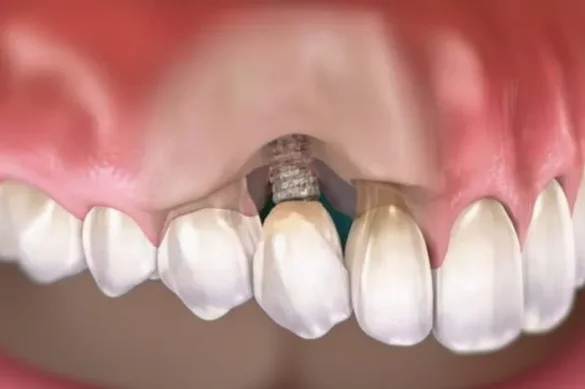
Dental implants have revolutionized cutting-edge dentistry through presenting a long-time period approach to the hassle of lacking enamel. With excessive fulfillment quotes and great advantages for chewing, appearance, and bone health, implants promise a healing that feels and capabilities like herbal enamel. Still, notwithstanding their popularity, dental implants deliver positive dangers that sufferers ought to apprehend earlier than proceeding. Among these, one hassle may be the best venture to dental implant fulfillment: contamination and failure of the implant to well bond with the jawbone.
Understanding How Dental Implants Work
Dental implants update lacking enamel through embedding a titanium or comparable screw-like publish into the jawbone. Over time, the bone grows across the implant in a manner known as osseointegration. This creates a strong basis for a crown, bridge, or denture. Once the jawbone and implant have fused, the dentist attaches an abutment and a customized synthetic tooth. Ideally, this healing have to appearance and experience as herbal as your actual enamel.
Normal Post-Surgery Symptoms and Expectations
It is preferred to revel in a few pain after surgery. Patients might also additionally note moderate ache, swelling, bruising, and moderate bleeding for the primary few days. Chewing is probably difficult, and gentle ingredients are encouraged whilst healing. These signs and symptoms generally remedy inside a week. Persistent or worsening signs and symptoms, however, might also additionally suggest underlying issues that want dental attention.
The Biggest Problem: Infection and Implant Failure
The unmarried best trouble going through dental implants is contamination on the implant site, frequently followed or observed through implant loosening or outright failure. Infection can arise if micro organism input the surgical place at any factor throughout or after the procedure. This is known as peri-implantitis while contamination creates irritation and bone loss across the implant. If left untreated, bone across the implant deteriorates, which jeopardizes the stableness of the implant and might require removal.
Another important thing is the failure of osseointegration, wherein the implant does now no longer fuse with the bone as expected. Without a stable bond, the implant will experience free and can not characteristic as intended. Problems of contamination and failure of osseointegration are carefully related, and each may be devastating to the patient, requiring extra surgery, bone grafts, or maybe everlasting lack of the implant site.
Key Signs of Implant-Related Problems
While early signs and symptoms may be moderate, a few warnings have to activate instant dental consultation:
- Persistent ache past a week
- Redness, swelling, or pus across the implant
- Bad flavor or horrific breath
- Bleeding from the gum close to the implant
- Loose feeling of the implant or issue chewing
- Fever or standard feeling of unwellness above everyday surgical recovery
If any of those arise, time is important. Early intervention will increase the probabilities of saving the implant and retaining oral health.
Why Do These Problems Occur?
Several clinical and procedural motives make contributions to contamination and implant failure:
Poor Oral Hygiene
Not cleansing very well across the implant may also cause the accumulation of micro organism. This will increase the threat of peri-implantitis, gum contamination, and subsequently, bone loss.
Insufficient Bone Structure
If the jawbone is just too skinny or weak, there isn’t sufficient basis for the implant to bond securely. Patients who’ve misplaced tooth lengthy in the past won’t have ok bone and every so often want bone grafts earlier than implants.
Pre-current Health Conditions
Chronic sicknesses like diabetes, osteoporosis, autoimmune disorders, or earlier radiation remedy can sluggish down recuperation. These situations may also decrease the body’s capacity to combat contamination or regrow bone across the implant.
Smoking and Tobacco Use
Smoking is a primary threat element as it reduces blood deliver and impairs recuperation. Smokers are a ways much more likely to enjoy implant failure and contamination than non-smokers. Quitting smoking earlier than and after implant surgical operation is strongly advised.
Poor Surgical Technique
The talent and enjoy of the dental health care provider play a key role. Implants positioned incorrectly or too near nerves or the sinus hollow space growth the danger of complications. Adequate making plans, imaging, and procedural precision are critical for success.
Medication Interference
Some medications, particularly bisphosphonates for osteoporosis, can purpose not on time bone recuperation or maybe bone dying close to the implant. Patients ought to tell their dentist approximately all drug treatments they take to assess threat.
Teeth Grinding (Bruxism)
Habitual grinding or clenching applies greater pressure at the recuperation implant, which could purpose micromovements and avoid the bonding process. Night guards may also assist guard implants from undue pressure.
Prevention: Steps to Protect Your Dental Implant
Most dental implant issues may be averted with cautious making plans and private responsibility. Here are sensible steps to assist a success implant recuperation:
1. Follow Post-Operative Instructions
Your dentist will offer distinctive guidelines, which includes the way to smooth the area, nutritional restrictions, medicinal drug use, and bodily pastime limits. Following those precisely will guard the recuperation site.
2. Maintain Excellent Oral Hygiene
Brush lightly however very well with a tender toothbrush across the implant. Use endorsed mouthwash and floss daily. Reducing plaque and micro organism is the simplest manner to save you contamination.
3. Attend All Scheduled Checkups
Regular dental visits assist the practitioner screen development and trap any early symptoms and symptoms of trouble. Early detection is important for addressing problems earlier than they threaten the implant.
4. Avoid Smoking and Excessive Alcohol
Both sluggish recuperation and reduce blood flow, with smoking posing the finest unmarried chance to implant success. Stopping tobacco use is relatively endorsed.
5. Eat a Nutritious, Soft Diet During Healing
Proper nutrients helps immune fitness and bone growth. Avoiding hard, sticky, or highly spiced meals reduces hazard of harm to the site.
6. Inform Your Dentist of Medical History
Discuss all continual situations and medicines together along with your dentist. They can tailor your remedy plan to decrease capability risks.
Treatment for Implant Complications
If an contamination develops, remedy can also additionally encompass antibiotics, deep cleaning, or surgical intervention. In instances of excessive peri-implantitis or failed osseointegration, the implant can also additionally want to be removed. Re-implantation is frequently feasible however relies upon on restoring healthful bone and putting off contamination. With set off and powerful care, maximum sufferers can acquire lengthy-time period success.
Conclusion
Dental implants are a effective answer for restoring misplaced teeth, but they may be now no longer unfastened from hazard. The largest hassle is contamination and implant failure, frequently because of bacterial contamination, bad healing, or inadequate bone support. These demanding situations aren’t not possible to manage. By knowledge hazard factors, adhering to expert advice, and preserving sturdy oral hygiene, maximum sufferers can experience the blessings of dental implants for years to come. Ask questions, tell your dentist of your fitness history, and by no means forget about signs of trouble.
Frequently Asked Questions
What is peri-implantitis?
Peri-implantitis is an contamination that takes place round a dental implant, inflicting irritation and bone loss. If now no longer treated, it may result in the failure and elimination of the implant.
Can a failed dental implant be changed?
Often, failed implants may be removed, treated, and changed if there’s sufficient healthful bone. Success relies upon on resolving the underlying motive and restoring the affected area.
How lengthy do dental implants remaining?
With right care and periodic dental checkups, implants can remaining 10-two decades or longer. Failure charges growth with bad hygiene, smoking, and positive fitness situations.
Who is maximum at hazard for dental implant failure?
People with continual ailments like diabetes, smokers, and people with bad oral hygiene or inadequate jawbone are at better hazard.
When must I name my dentist after implant surgery?
If you’ve got got extended pain, swelling, bleeding, pus, free implants, or any uncommon signs, touch your dentist right now to save you complications.