


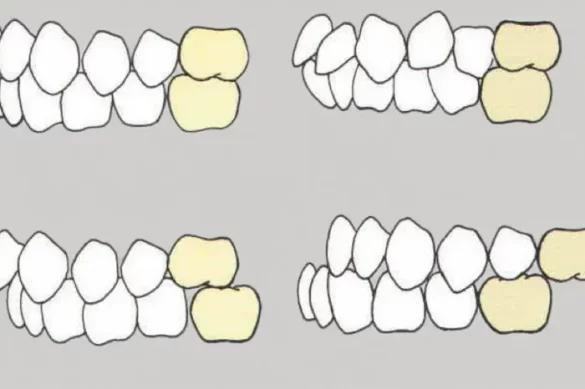
Occlusion is a essential dental idea that describes the manner your higher and decrease tooth come collectively whilst you chew down. This easy act, repeated endless instances every day, is crucial for features like chewing, speaking, and retaining jaw fitness. The association of your tooth—known as your chew—can notably effect each your oral fitness and appearance. Dentists and orthodontists categorize how tooth align the usage of 3 most important sorts of occlusion. Understanding those kinds will let you become aware of capability problems early and are searching for right dental care.
What Is Occlusion in Dentistry?
Occlusion, in dental terms, refers back to the touch among the tooth of the maxilla (higher jaw) and the mandible (decrease jaw) whilst the mouth closes. Ideally, this touch is even and harmonious, permitting green chewing and balanced strain distribution throughout the jaw. If tooth do now no longer suit collectively properly, the situation is known as malocclusion. Malocclusion can cause troubles together with problem chewing, jaw pain, speech problems, enamel wear, and multiplied chance for dental injuries.
The Three Types of Occlusion: Class I, II, and III
The across the world diagnosed gadget for classifying dental occlusion changed into advanced via way of means of Dr. Edward H. Angle withinside the overdue nineteenth century. This class gadget divides bites into 3 number one occlusion kinds:
Class I Occlusion (Normal Occlusion)
Class I occlusion describes the perfect courting among the higher and decrease tooth. In this type, the higher tooth barely overlap the decrease tooth, and the molars and dogs align properly. The higher first molar’s cusp suits exactly into the groove of the decrease first molar. The cusp tip of the higher dog suits snugly among the decrease dog and the primary premolar.
People with Class I occlusion commonly have a balanced, practical chew. However, even in Class I, there may be minor problems—together with crowding, rotations, or gaps among tooth. These do now no longer compromise the general courting of the tooth and jaws, however may also require orthodontic interest to attain best enamel alignment and appearance.
Key Features of Class I Occlusion
- Upper tooth overlap decrease tooth barely
- Molars and dogs align properly
- Bite is practical and esthetically pleasing
- Minor crowding or spacing may also occur
Class II Occlusion (Distoclusion)
Class II occlusion is recognized whilst the higher tooth and jaw notably protrude over the decrease tooth and jaw. It is generally related to what’s called an “overbite.” In this type, the higher first molar is located beforehand of the decrease first molar. The higher the front tooth and jaw may also seem to jut forward, developing a substantial horizontal gap—additionally known as overjet.
Class II malocclusion regularly outcomes in aesthetic worries and useful difficulties. The immoderate prominence of the higher jaw can cause lip protrusion and an improved hazard of trauma to the higher the front tooth. Left uncorrected, Class II might also additionally bring about jaw ache, unusual put on of the tooth, and periodontal issues.
Key Features of Class II Occlusion
- Upper tooth and jaw protrude appreciably ahead
- Upper first molar sits in advance of decrease first molar
- Commonly called “overbite” or “overjet”
- May reason aesthetic and useful challenges
- Can be resulting from genetics, conduct like thumb sucking, or disparity in jaw boom
Class III Occlusion (Mesioclusion)
Class III occlusion is the other of Class II. In this type, the decrease tooth and jaw are set ahead when it comes to the higher tooth and jaw. This situation is regularly called an “underbite.” When the man or woman bites down, their decrease anterior tooth can be facet-to-facet or maybe in advance of the higher the front tooth. The decrease first molar sits in advance of the higher first molar.
Class III malocclusion can reason each beauty and useful challenges. The ahead role of the decrease jaw might also additionally provide the chin and decrease face a “bulldog” appearance. Such misalignment can cause trouble chewing, improved enamel put on, jaw joint discomfort, and speech problems. Early correction is essential to manipulate growing dental and skeletal issues.
Key Features of Class III Occlusion
- Lower tooth and jaw set ahead
- Lower first molar is in advance of higher first molar
- Commonly called “underbite”
- May reason facial imbalance and chewing difficulties
- May end result from hereditary elements or unusual jaw boom patterns
Why Understanding The Types of Occlusion Matters
Each sort of occlusion impacts the fitness of your tooth and jaws. Class I occlusion is normally stable, presenting most desirable chewing feature and a nice smile. In contrast, Classes II and III are taken into consideration styles of malocclusion—unusual chew relationships that could cause oral fitness challenges.
Malocclusions can bring about:
- Uneven enamel put on
- Difficulty cleansing tooth, main to better hazard of cavities or gum disease
- Jaw joint ache or dysfunction (TMJ disorders)
- Speech difficulties
- Higher hazard of dental injury
- Aesthetic worries, affecting self belief and social well-being
Diagnosis and Treatment Options
Dentists diagnose occlusal sorts at some point of a medical examination, regularly the usage of dental impressions, X-rays, and photographs. Early identification, specially in children, can cause greater powerful interventions. Treatment varies relying on the kind and severity of malocclusion. Options might also additionally include:
- Orthodontic braces
- Dental appliances, like palate expanders or headgear
- Tooth extractions, whilst crowding is present
- Jaw surgery, for excessive cases
- Retainers or dental bonding for minor corrections
Early remedy may be critical for developing youngsters to manual right jaw improvement and limit the want for invasive methods later in life. For adults, correcting malocclusion improves each look and feature, improving long-time period dental fitness.
Other Common Bite Issues Related to Occlusion
While Class I, II, and III cowl the principle styles of occlusion, extra chew problems frequently overlap with those classes:
Overjet
This refers back to the horizontal distance among the higher and decrease the front enamel. Excessive overjet is common in Class II malocclusion and makes the higher enamel greater liable to trauma.
Overbite (Deep Bite)
A deep vertical overlap among the higher and decrease the front enamel. When pronounced, it may result in gum damage and immoderate teeth put on.
Crossbite
Occurs whilst the higher enamel healthy within the decrease enamel on one facet or each sides. It can show up with the front enamel (anterior crossbite) or lower back enamel (posterior crossbite).
Open Bite
When the higher and decrease enamel do now no longer overlap at all, ensuing in an opening among them whilst biting. This is frequently resulting from thumb sucking, tongue thrusting, or skeleton discrepancies.
Crowding and Spacing
These problems discuss with a loss of space (crowding) or an excessive amount of space (spacing) for enamel to align properly. They are frequently a part of the general occlusal prognosis and effect remedy decisions.
Conclusion
Understanding the 3 styles of occlusion—Class I, Class II, and Class III—is crucial for spotting ability dental fitness problems. Each kind is described through precise relationships among the higher and decrease enamel and jaws, influencing each feature and look. Proper prognosis and well timed remedy can enhance oral fitness, beautify feature, and make contributions to a assured smile. If you believe you studied you’ve got got a chew problem, journeying a dental professional for a expert evaluation is the exceptional first step.
FAQs About Occlusion Types
What reasons the unique styles of occlusion?
Genetics, conduct which includes thumb sucking, and choppy jaw increase can all affect occlusion types.
Can occlusion troubles be constant in adults?
Yes, adults can obtain orthodontic and surgical remedies to accurate malocclusions, despite the fact that early intervention is frequently easier.
Is it vital to deal with minor malocclusion?
While minor malocclusions do now no longer constantly require intervention, treating them can save you destiny dental and jaw troubles.
Does malocclusion best have an effect on look?
No, malocclusion can result in chewing difficulties, speech problems, expanded put on on enamel, and jaw pain, further to affecting look.