


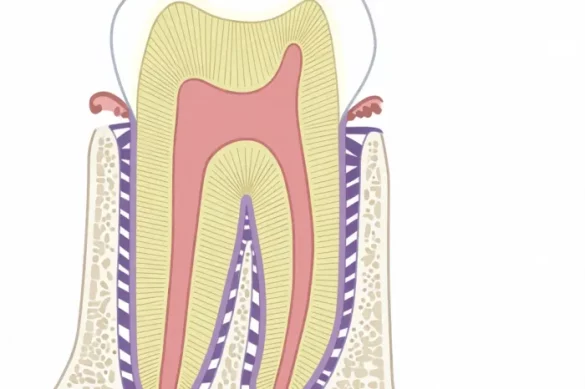
The alveolar bone is a important shape withinside the human jaw, because it holds the tooth in area and helps oral health. Understanding its type, composition, and feature is vital for dental experts and anybody interested by human anatomy. This article presents a complete evaluation of the alveolar bone, specializing in its classification, shape, and its function in dental medicine.
Introduction to Alveolar Bone
The alveolar bone, additionally called the alveolar manner or alveolar ridge, is the part of the jaw bones in human beings that includes the enamel sockets. These sockets, termed dental alveoli, are in which tooth are anchored. The alveolar bone is included via way of means of gum tissue in the mouth and is an vital a part of each the maxilla (higher jaw) and the mandible (decrease jaw).
Classification: What Type of Bone Is Alveolar Bone?
Alveolar bone is classed as a form of cortical and trabecular bone. This approach it includes compact bone (cortical bone) and spongy bone (trabecular or cancellous bone). The compact bone bureaucracy the outer layer, supplying power and stability, whilst the trabecular bone lies within, contributing to resilience and flexibility. More specifically, alveolar bone is a specialised form of bone tailored to aid and reply to the mechanical forces generated via way of means of tooth for the duration of chewing and biting.
Compact (Cortical) Bone
The cortical bone, or compact bone, bureaucracy the facial and lingual plates surrounding the alveolar bone. These plates are commonly approximately 1.five to a few mm thick over the posterior tooth. The cortical bone presents structural power and durability. It is vital as it resists the outward stress from the tooth and enables preserve the form of the jaw.
Trabecular (Cancellous) Bone
Inside the alveolar bone, there may be a layer of trabecular or cancellous bone. This form of bone is much less dense than cortical bone and includes many areas or pores. The trabecular bone acts like a surprise absorber, assisting to hose down the forces from chewing and biting. Between the alveolar bone right and cortical plates lies the trabecular bone, assisting the tooth and facilitating flexibility.
Alveolar Bone Proper
The alveolar bone right is the a part of alveolar bone that immediately traces the enamel socket. It is comprised specially of compact bone and is likewise called the package bone. It immediately interfaces with the periodontal ligament, which anchors the enamel roots.
Anatomy and Structure
The alveolar bone includes numerous wonderful parts:
- Alveolar Crest: The alveolar crest paperwork the cervical rim of the bone close to the necks of the tooth. In healthful individuals, it lies barely apical (below) the cementoenamel junction (CEJ), normally through approximately 1.5–2 mm.
- Interdental Septum: The bone located among adjoining tooth is known as the interdental septum. It affords assist for the tooth and keeps spacing.
- Lamina Dura: On radiographs, the location adjoining to the periodontal ligament seems because the lamina dura. This is an vital medical landmark.
The alveolar bone is penetrated through nerves, blood vessels, and lymphatics, making sure the deliver of vitamins and elimination of waste.
Cellular and Molecular Composition
Alveolar bone consists of each inorganic and natural materials:
- Inorganic Content (67%): Mainly calcium and phosphate, gift as calcium hydroxyapatite crystals. This offers the bone its hardness and rigidity.
- Organic Content (33%): Primarily collagen (mainly kind I), along side non-collagenous proteins, fibers, and cells. The cell additives include:
- Osteoblasts: Cells liable for bone formation.
- Osteocytes: Mature bone cells that assist preserve bone tissue.
- Osteoclasts: Large, multinucleated cells concerned in bone resorption.
Sharpey fibers, a part of the periodontal ligament, are inserted into the alveolar bone proper. These fibers assist anchor the tooth firmly inside the sockets and transmit mechanical forces from the tooth to the bone.
Development and Maintenance
The improvement of alveolar bone is carefully tied to enamel eruption and maintenance. Tooth germs (precursors to tooth) stimulate the formation of alveolar bone all through growth. Without tooth, the alveolar system won’t broaden properly. This is why folks that lose their tooth occasionally enjoy resorption of the alveolar bone, main to adjustments in facial shape and dwindled jaw function.
Alveolar bone is a dynamic tissue—it’s miles continuously made over in reaction to pressure, injury, and metabolic adjustments. Osteoblasts lay down new bone matrix, at the same time as osteoclasts resorb antique or broken bone. This system is critical for keeping oral fitness and adapting to converting forces at the tooth.
Functional Differences: Alveolar Bone vs. Long Bone
Recent research display that alveolar bone has practical and molecular variations from different bones, along with femur or tibia (lengthy bones). Though each have osteoblastic cells and comparable fundamental composition, alveolar bone responds in another way to mechanical pressure and stimuli. Alveolar bone is touchy to forces from chewing, enamel movement, and dental treatments. Additionally, it demonstrates precise gene expression profiles, specifically associated with neural crest and epithelial‐mesenchymal interplay factors. This specialised responsiveness aids in speedy edition and healing.
Clinical Significance
The alveolar bone is essential in dentistry, specially for approaches like dental implant placement, bone grafting, and orthodontics. The fine and amount of alveolar bone have an effect on the achievement of those treatments. Loss of alveolar bone is carefully related to periodontal sickness, teeth extraction, and trauma. It is essential for dental specialists to evaluate the fitness of the alveolar bone, as resorption can also additionally compromise the steadiness of implants or motive transferring of closing tooth.
Alveolar Bone Loss and Periodontal Disease
Alveolar bone loss takes place mostly via resorption, a procedure pushed with the aid of using osteoclasts. Inflammatory situations along with periodontitis can also additionally boost up this resorption, main to weakened help for tooth and ability teeth loss. The restore section following resorption entails new bone formation, however persistent irritation can avoid this procedure.
Bone Grafting and Implants
Bone grafting is frequently undertaken to reconstruct or increase the alveolar bone, in particular in sufferers with cleft palate or after teeth extraction. Successful dental implant placement calls for enough alveolar bone for stability. If bone degrees are inadequate, grafting approaches can be important to accumulate the bone.
Conclusion
Alveolar bone is a fantastically specialised sort of bone, offering each compact (cortical) and cancellous (trabecular) components. It serves a crucial characteristic in helping tooth, retaining oral fitness, and adapting to mechanical forces. Understanding its precise properties, mobile composition, and medical importance is important for each person worried in dentistry or associated fields. Due to its dynamic nature and significance for dental stability, interest to the alveolar bone’s fitness is a concern in each clinical and dental care.
FAQs
What sort of bone is alveolar bone?
Alveolar bone includes each compact (cortical) and cancellous (trabecular) bone. It is a specialised bone tailored to maintain and help tooth.
How does alveolar bone fluctuate from lengthy bone?
Alveolar bone is extra touchy to mechanical pressure and responds otherwise to outside stimuli in comparison to lengthy bones just like the femur or tibia.
Why is alveolar bone essential in dentistry?
Healthy alveolar bone is essential for a hit dental implants, orthodontic treatments, and prevention of teeth loss because of periodontal diseases.
Can alveolar bone regenerate after teeth loss?
Alveolar bone can also additionally go through resorption after teeth loss, however bone grafting and different regenerative approaches can assist repair its structure.
What occurs to alveolar bone throughout periodontal sickness?
Periodontal sickness can motive irritation and boom bone resorption, which weakens teeth help and can result in teeth loss.