


Life in Silverdale is full of activity, from busy mornings to relaxing evenings at home. But when tooth pain starts, even everyday activities like eating or talking can become uncomfortable. Sharp jolts, lingering sensitivity, or persistent aches may indicate a problem that needs attention.
A common solution for deep tooth pain is a root canal. While the term might sound intimidating, the procedure is routine and can vary depending on whether it involves a front tooth or a molar. Knowing what to expect can reduce stress and help you return to daily life with comfort and confidence.
What Exactly Is a Root Canal?
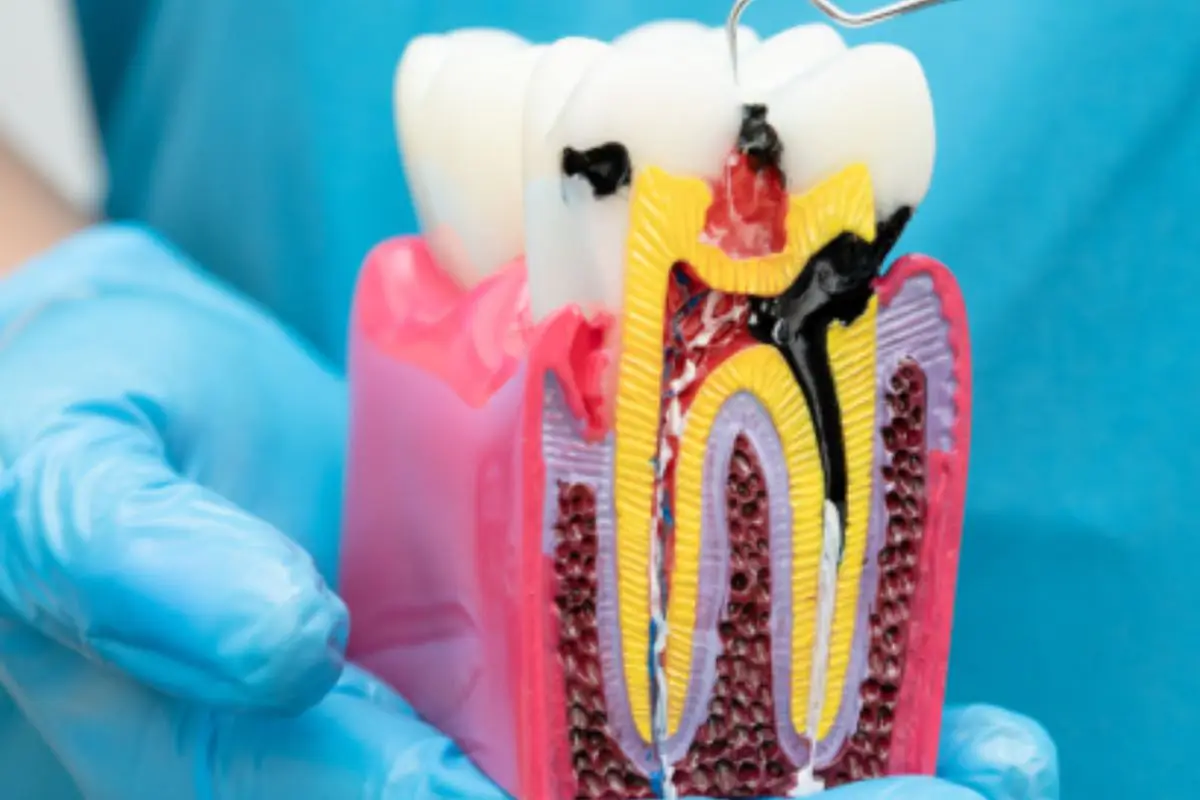
A root canal is a treatment designed to address infection or damage inside a tooth. Beneath the hard exterior lies the pulp, a soft tissue containing nerves and blood vessels. When this pulp becomes inflamed or infected due to decay, cracks, or trauma, it can cause significant discomfort.
During the procedure, the dentist removes the infected pulp, thoroughly cleans and disinfects the canals, and seals the tooth to prevent future issues. The primary goal is to preserve the natural tooth while eliminating pain.
Understanding Tooth Structure
Front teeth and molars are built differently, which influences how root canals are performed:
- Front Teeth (Incisors and Canines): Located at the front, these teeth are mainly used for biting and cutting. They generally have a single root and canal, making treatment simpler.
- Molars and Premolars: Situated at the back, molars are designed for grinding food. They often have multiple roots and canals, ranging from two to four, which makes treatment more complex.
Root Canal for Front Teeth
Root canal treatment on front teeth is usually straightforward and less time-consuming.
Simpler Anatomy
Front teeth typically have a single canal, making cleaning and shaping quicker and more predictable. Accessing the infected area is relatively easy, allowing for efficient treatment.
Shorter Appointment Time
Due to the simple structure, procedures on front teeth generally require less time.
Minimal Post-Treatment Discomfort
Patients often experience less soreness after front tooth root canals. Local anesthesia ensures that the procedure itself is painless.
Cosmetic Considerations
Since front teeth are highly visible, maintaining a natural appearance is essential. After treatment, the tooth may be restored with a filling or crown. In some cases, cosmetic enhancements such as internal bleaching may be recommended.
Root Canal for Molars
Molars are more complex due to their size, multiple roots, and role in chewing.
Complex Root System
Molars have multiple canals, which can be curved or difficult to locate. This complexity requires precision and may extend treatment time.
Longer Appointments
Cleaning and shaping several canals often means longer sessions and sometimes multiple visits.
Higher Functional Demands
Molars handle the majority of chewing forces. After a root canal, they are more susceptible to fractures if not restored with a crown.
Sensitivity After Treatment
Mild soreness or sensitivity is common, especially while chewing. This typically resolves within a few days and can be managed with over-the-counter pain relievers.
Signs You Might Need a Root Canal
Whether it’s a front tooth or a molar, these symptoms may indicate a need for treatment:
- Persistent tooth pain
- Lingering sensitivity to hot or cold
- Swelling or tenderness in the gums
- Darkening of the tooth
- Small bumps or pimples on the gums
Prompt treatment can prevent complications and preserve your natural teeth.
Recovery and Aftercare Tips
Proper care after a root canal is crucial for healing:
- Front Teeth: Recovery is generally smooth. Avoid biting hard foods until the final restoration is complete. Stick to soft foods and maintain gentle brushing and flossing.
- Molars: Extra caution is needed because molars handle most chewing force. Avoid chewing on the treated side until a crown is placed. Eat soft foods and keep the area clean without irritating the gums.
For both types, follow-up visits are essential to ensure proper healing and final restoration placement.
Begin Your Journey to Pain-Free Teeth
Root canals save natural teeth and relieve pain efficiently. While front teeth and molars differ in complexity, both procedures are highly effective. Early treatment prevents further damage and restores normal function.
At Clear Creek Dentistry, our experienced dental team provides personalized care and ensures your comfort throughout the process. Timely root canal treatment helps you maintain oral health and continue enjoying everyday activities without pain. Contact us today at our dental office in Silverdale and get the care you deserve.
FAQs About Root Canals for Front Teeth vs Molars
1. Is a root canal more painful for molars than front teeth?
Root canals for molars can feel slightly more uncomfortable because these teeth have multiple roots and are harder to access. However, modern anesthesia ensures the procedure itself is usually no more painful than treating front teeth.
2. Why do molar root canals take longer than front teeth?
Molars typically have two to four canals, while front teeth usually have just one. This makes molar root canals more complex and time-consuming, often requiring longer or multiple visits.
3. How long does a root canal take for front teeth vs molars?
A front tooth root canal can often be completed in about 30–60 minutes. In contrast, molar treatments may take 60–90 minutes or more, depending on the number of canals and complexity.
4. Do all root canal-treated teeth need a crown?
Front teeth may not always need a crown if enough natural tooth structure remains. Molars, however, usually require crowns because they handle more chewing pressure and need extra protection.
5. Is recovery different for front teeth and molars after a root canal?
Recovery is generally similar for both, with mild soreness lasting a few days. However, molars may feel slightly more tender due to their location and role in chewing.
6. What are the signs that you need a root canal?
Common signs include persistent tooth pain, sensitivity to hot or cold, swelling, or pain while chewing. These symptoms can occur in both front teeth and molars and shouldn’t be ignored.
7. Are root canals safe and successful long-term?
Yes, root canals are a safe and highly effective treatment for saving natural teeth. With proper care, a treated tooth can last for many years or even a lifetime.