


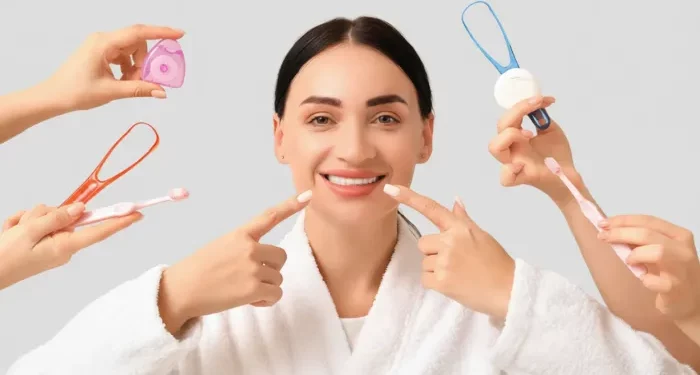
South Korea’s oral care market is experiencing steady growth as consumers increasingly integrate oral hygiene into their daily routines and broader self-care practices. In 2024, the market was valued at USD 975.9 million, significantly smaller than the United States’ USD 11.4 billion but closer in scale to neighboring markets such as China (USD 2.6 billion) and Japan (USD 1.6 billion), despite their larger populations. Analysts project that by 2030, South Korea’s oral care sector will reach USD 1.5 billion, expanding at a compound annual growth rate (CAGR) of 6.9% from 2025 to 2030.
Toothpaste remains the largest segment, accounting for approximately USD 410 million in 2024. However, mouthwash, breath-care products, and dental accessories like dental floss and interdental brushes are seeing faster growth. Koreans are increasingly treating oral care as a component of beauty and wellness, monitoring oral hygiene not just after waking, before bed, and post-meals, but throughout the day.
Mouthwash and breath-care products, in particular, have experienced significant demand growth, rising from KRW 116.3 billion in 2019 to KRW 182 billion in 2024. Consumers are showing strong interest in functional products offering whitening, sensitivity care, and eco-friendly formulations.
A 2026 survey by Korea Research Co., Ltd., involving 1,000 participants, revealed that 77% of respondents use dental floss or interdental brushes, making these products central to daily routines. Fluoride toothpaste (66%) and mouthwash (64%) follow closely, while electric toothbrushes (20%), tartar removers (18%), teeth whiteners (15%), and mouthpieces (9%) show lower adoption rates. These trends underscore that preventive plaque removal remains the core focus of oral care practices.
Despite high awareness—82% of Koreans report being concerned about oral health—daily behaviors do not always meet expert recommendations. Brushing twice daily is most common, with only 38% of respondents brushing three times or more, the frequency recommended by dental professionals. Consumers often compensate by using supplementary tools like floss and interdental brushes throughout the day.
Generational differences also shape oral care habits. Younger Koreans under 30 increasingly view oral hygiene as part of social etiquette and personal grooming, using products such as mouthwash, tongue cleaners, and breath fresheners. Older consumers, particularly those aged 40 and above, demonstrate greater concern for dental health, with over 20% of individuals in their 60s reporting they are “very concerned” about oral hygiene.
Parents are driving growth in pediatric oral care, with the market reaching USD 228 million in 2024 and projected to grow to USD 332 million by 2030 at a CAGR of 6.5%. Products tailored to children—including flavored toothpaste, educational brushing tools, and ergonomically designed toothbrushes—are gaining traction as preventive care becomes a family priority.
Domestic brands such as Perioe, Bamboo Salt, and Dental Clinic 2080 dominate mass-market toothpaste sales, while premium imported brands like Marvis, Dentiste, and Euthymol are rising in popularity. Marvis, introduced in 2018, positions toothpaste as a lifestyle accessory, blending aesthetics, European heritage, and natural ingredients. The brand has sold over 4 million units in South Korea and achieved annual growth above 20%, driven by online and gifting channels.
Tongue care is an emerging trend, with dedicated gels and products marketed for tongue hygiene, sour breath, and oral comfort. Dental-B’s Ora Clean Gel exemplifies this category, offering quick, convenient solutions that have gained visibility on major e-commerce platforms such as Coupang, where online reviews highlight its effectiveness and ease of use.
Overall, South Korea’s oral care market reflects a blend of preventive health awareness, lifestyle-driven consumption, and generationally influenced preferences, positioning it for robust growth in the coming years.
Tags: teethteeth whitetoothwhitening