


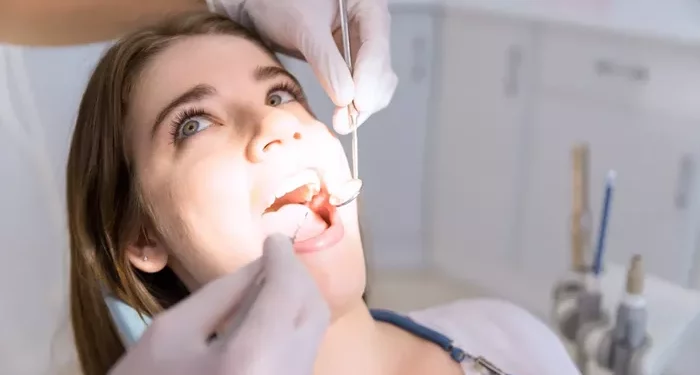
A persistent episode of tooth sensitivity that began in mid-2024 has prompted a senior lecturer to reassess long-neglected dental care and absorb unexpected costs for restorative treatment.
The problem started soon after the lecturer returned from the United Kingdom. One tooth became painful, sensitive to cold and touch, and slightly loose. What had once been taken for granted — a set of “God-given” teeth — suddenly limited daily life. The pain made eating difficult and reduced appetite, forcing the patient to sip soft porridges rather than enjoy the chewy foods they preferred.
An initial clinic visit produced an X-ray that suggested old trauma. The attending dentist recommended a deep cleaning and warned the tooth might need splinting to stabilise it and allow healing. The patient left with a prescription toothpaste and some relief within days, but the tooth remained intermittently sensitive.
Concerned about cost after seeing the clinic bill, the patient skipped a prompt follow-up and later found a smaller, community-oriented dental practice nearby.
That clinic confirmed the earlier diagnosis, performed the splinting procedure and reinforced it after subsequent cleanings. The dentist also advised the patient that habitual chewing of hard objects had likely worsened the injury; the tooth had nearly split after biting a hard piece of crab.
Seeking a longer-term fix, the patient travelled to Ghana for a second opinion and further X-rays. Treatment options were discussed, but prices were not initially disclosed.
Ultimately the lecturer chose a more permanent restoration that addressed function but fell short of the natural aesthetic they desired. When offered a higher-quality cosmetic option, the cost proved prohibitive.
The episode left the patient with relief from pain but a lasting awareness of the personal and financial cost of dental neglect. They reflected that routine care might have prevented the ordeal and urged others not to underestimate the value of preventive dentistry.
“I have learned to value what God has freely given me,” the lecturer wrote, noting that the money spent on one tooth is a memory unlikely to fade. The experience is a reminder that small habits and delayed care can lead to complex, costly interventions — and that preventive dental visits can be both health-preserving and economical in the long run.