


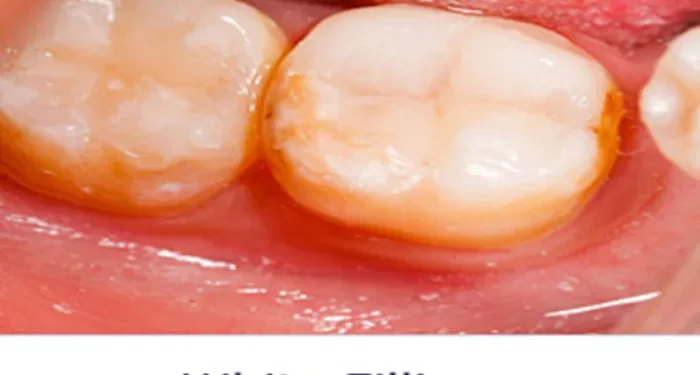
White dental cement fillings serve as an important restorative option in modern dentistry, offering unique benefits for specific clinical situations. These tooth-colored materials provide an aesthetic alternative to traditional silver amalgam while delivering distinct therapeutic advantages. This comprehensive guide examines the composition, applications, and clinical considerations of white cement fillings to help patients understand this valuable treatment option.
Understanding Dental Cements
Types of White Dental Cements
Common varieties include:
- Glass ionomer cement (GIC)
- Resin-modified glass ionomer (RMGI)
- Zinc oxide eugenol (ZOE) alternatives
- Calcium hydroxide formulations
- Polycarboxylate cement
Key Components
Basic composition:
- Powder: fluoroaluminosilicate glass
- Liquid: polyacrylic acid
- Optional resin components
- Light-cure additives
- Fluoride-releasing compounds
Clinical Applications
Ideal Use Cases
Best suited for:
- Temporary tooth restorations
- Pediatric dental treatments
- Root surface caries repair
- Abutment teeth preparation
- High caries-risk patients
- Minimal intervention dentistry
Less Suitable Situations
Poor candidates for:
- Large posterior load-bearing areas
- Long-span restorations
- High-stress occlusion points
- Extreme aesthetic demands
- Teeth requiring maximum durability
Advantages and Benefits
Therapeutic Properties
Unique advantages:
- Continuous fluoride release
- Chemical bonding to tooth structure
- Biocompatibility with dental tissues
- Thermal expansion matching tooth
- Moisture-tolerant placement
Patient Benefits
Practical advantages:
- Natural tooth-colored appearance
- Conservative tooth preparation
- Reduced postoperative sensitivity
- Lower cost than composites
- Antimicrobial properties
Placement Procedure
Step-by-Step Process
Clinical technique overview:
- Local anesthesia administration
- Tooth isolation with rubber dam
- Caries removal and preparation
- Surface conditioning
- Cement mixing and application
- Initial setting phase
- Final contouring and shaping
- Occlusal adjustment
- Polishing and finishing
Setting Characteristics
Working time parameters:
- Conventional GIC: 2-5 minutes working time
- RMGI: extended working time
- Initial set: 5-7 minutes
- Final hardness: 24 hours
- Light-cured versions: immediate set
Performance and Longevity
Expected Durability
Typical service life:
- Temporary restorations: weeks to months
- Small permanent fillings: 3-5 years
- Low-stress areas: 5-7 years
- Pediatric applications: until tooth exfoliation
- Interim crowns: until final restoration
Failure Mechanisms
Common reasons for replacement:
- Occlusal wear over time
- Marginal breakdown
- Secondary caries formation
- Material fracture
- Loss of adhesive bond
Special Patient Considerations
Pediatric Dentistry
Ideal applications:
- Primary tooth restorations
- Interim caries management
- Fissure sealing procedures
- Minimal intervention cases
- Special needs patients
Geriatric Patients
Particular benefits:
- Root caries treatment
- Xerostomia management
- Abutment tooth protection
- Simple repairs
- Cost-effective solutions
Cost Analysis
Price Comparison
Typical cost ranges:
- Glass ionomer: 150?150?300 per tooth
- Resin-modified GI: 175?175?350
- Temporary cement fillings: 100?100?200
- Composite alternatives: 150?150?600
- Amalgam fillings: 100?100?250
Insurance Factors
Coverage considerations:
- Often similar to composite reimbursement
- Possible material restrictions
- Some plans classify as temporary
- Frequency limitations may apply
- Rarely requires pre-authorization
Maintenance Requirements
Home Care Guidelines
Optimal maintenance:
- Gentle brushing with soft bristles
- Fluoride toothpaste use
- Daily flossing technique
- Avoidance of sticky foods
- Regular dental checkups
Professional Monitoring
Dental follow-up:
- Margin evaluation at cleanings
- Wear pattern assessment
- Fluoride recharge potential
- Recurrent caries screening
- Replacement planning
Potential Complications
Common Issues
Possible concerns:
- Initial sensitivity
- Marginal discoloration
- Progressive wear
- Edge chipping
- Partial debonding
Prevention Strategies
Risk reduction methods:
- Appropriate case selection
- Strict moisture control
- Adequate material thickness
- Precise occlusal adjustment
- Comprehensive patient instructions
Conclusion
White cement fillings occupy a unique niche in restorative dentistry, offering practical solutions for specific clinical situations where their fluoride release, moisture tolerance, and biocompatibility provide distinct advantages. While not suitable for all restorative needs, these materials serve as valuable tools in temporary restorations, pediatric dentistry, and caries management for high-risk patients.
The success of white cement fillings depends heavily on proper case selection, meticulous technique, and appropriate patient expectations. When used according to their intended purposes, these restorations can provide effective, conservative, and aesthetically acceptable solutions for many common dental problems. Patients considering this treatment option should consult with their dentist to determine if it aligns with their individual oral health needs and long-term dental goals.
Related topic:
- How Much Does Bupa Dental Insurance Cost?
- How Much Does Dental Insurance Cover For Wisdom Teeth Removal?
- How Much Does Guardian Dental Insurance Cost?
Tags: cureDental Insuranceteethtooth