


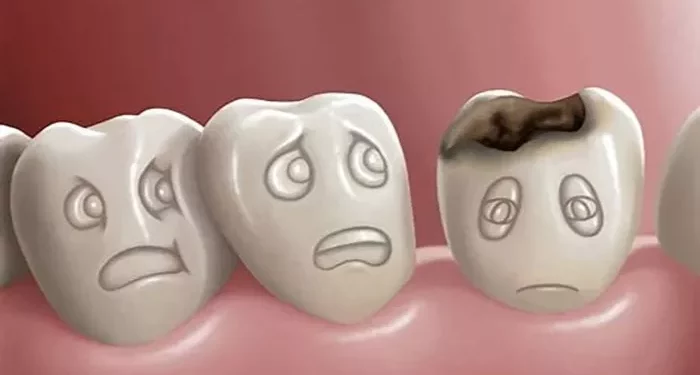
Tooth decay remains one of the most common health problems affecting humans worldwide. Despite advances in dental care, cavities continue to trouble people of all ages. As a dental professional, I want to explain the biological processes behind tooth decay and why human teeth are particularly vulnerable. Understanding these mechanisms can help us better protect our teeth and maintain long-term oral health.
The Science of Tooth Decay
Demineralization Process
How cavities form:
- Mouth bacteria feed on carbohydrates
- Acid byproducts dissolve mineral content
- Enamel loses calcium and phosphate
- Microscopic pores develop in tooth structure
- Damage progresses without intervention
The Role of Dental Plaque
Bacteria’s living environment:
- Sticky biofilm forms on tooth surfaces
- Contains hundreds of bacterial species
- Acid-producing strains dominate in decay
- Protects bacteria from saliva and brushing
Biological Factors in Human Teeth
Enamel Structure Vulnerabilities
Our teeth’s built-in challenges:
- Non-living surface can’t self-repair
- Microscopic rods create diffusion pathways
- Varies in thickness across tooth surfaces
- Contains tiny pores for acid penetration
Saliva’s Double-Edged Nature
Protective yet limited:
- Helps remineralize early damage
- Washes away food particles
- Contains antibacterial components
- Can’t compensate for constant acid attacks
Dietary Influences on Decay
Modern Eating Patterns
How our habits hurt teeth:
- Frequent snacking maintains acid production
- Processed carbohydrates break down quickly
- Acidic beverages soften enamel
- Sticky foods adhere to tooth surfaces
Evolutionary Mismatch
Teeth not designed for today’s diet:
- Adapted for prehistoric fibrous foods
- Not optimized for constant sugar exposure
- Thin enamel sufficient for natural diets
- Saliva mechanisms overwhelmed today
Bacterial Contributors
Streptococcus Mutans
Primary decay culprit:
- Specializes in acid production
- Thrives in acidic environments
- Produces sticky extracellular polymers
- Transmissible between people
Complex Microbial Interactions
How bacteria cooperate:
- Different species occupy specific niches
- Metabolic byproducts feed other bacteria
- Biofilm structure protects community
- Diversity increases with disease progression
Environmental Risk Factors
Fluoride Deficiency
Impact on tooth resilience:
- Fluoride incorporates into developing enamel
- Makes crystals more acid-resistant
- Enhances remineralization process
- Inhibits bacterial metabolism
Dry Mouth Conditions
Reduced saliva’s consequences:
- Less dilution of acids
- Decreased buffering capacity
- Reduced antimicrobial action
- Impaired food clearance
Prevention Strategies
Breaking the Acid Cycle
Key approaches:
- Limit eating frequency
- Choose tooth-friendly snacks
- Rinse with water after eating
- Use fluoride products
Disrupting Bacterial Colonies
Effective methods:
- Mechanical plaque removal
- Antimicrobial mouthwashes
- Sugar substitutes like xylitol
- Probiotic supplementation
Treatment Approaches
Early Intervention
Remineralization options:
- Fluoride varnish applications
- Calcium phosphate products
- Casein phosphopeptide treatments
- Professional cleaning
Restorative Solutions
For advanced decay:
- Tooth-colored fillings
- Crowns for extensive damage
- Root canals for infected pulp
- Extractions when non-restorable
Special Considerations
Childhood Vulnerabilities
Increased risks:
- Developing enamel more porous
- Less effective brushing skills
- Frequent milk or juice consumption
- Prolonged bottle feeding
Aging-Related Challenges
Changes with time:
- Gum recession exposes roots
- Medications reduce saliva
- Existing dental work deteriorates
- Dexterity issues affect cleaning
Conclusion
Human teeth decay due to a perfect storm of biological vulnerabilities, modern dietary habits, and bacterial activity. While our teeth are remarkably durable, they face constant challenges in today’s environment. The good news is that understanding these decay mechanisms empowers us to take effective preventive action.
Through proper oral hygiene, smart dietary choices, regular dental visits, and fluoride use, we can significantly reduce our cavity risk. Remember that tooth decay is largely preventable despite our biological predispositions. Your dentist can help develop a personalized prevention plan based on your specific risk factors and lifestyle.
Related topic:
- Do Wisdom Teeth Affect Adjacent Teeth?
- Why Does Tooth Decay Occur??
- Why Do Wisdom Teeth Grow?
Tags: dental carediseaseteethtoothtooth decay