


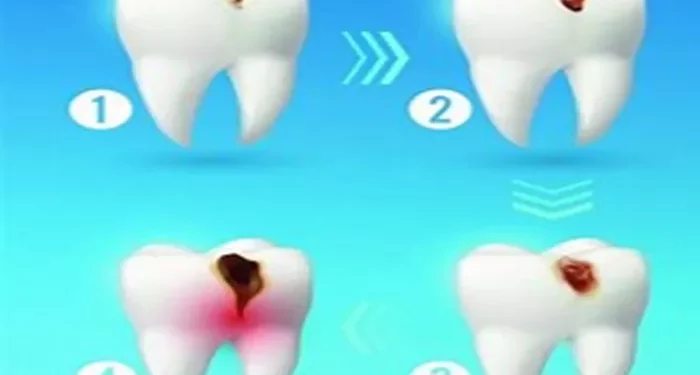
Widespread tooth decay affecting all or most teeth is an alarming situation that requires immediate attention and comprehensive treatment. As a dental professional, I encounter many patients distressed by rapidly progressing decay throughout their mouth. This article examines the systemic causes of generalized dental decay, explains why some people are more susceptible, and outlines effective strategies to stop the progression and restore oral health.
Understanding Generalized Tooth Decay
Defining the Problem
Widespread decay differs from single cavities by:
- Affecting multiple teeth simultaneously
- Often appearing between teeth
- Progressing rapidly
- Recurring despite treatment
- Showing patterns across tooth types
Common Patterns of Decay
Patients typically experience:
- White spots along gumlines
- Brown stains in tooth grooves
- Dark shadows beneath enamel
- Chipping at tooth edges
- Sensitivity in multiple teeth
Systemic Causes of Widespread Decay
Chronic Dry Mouth (Xerostomia)
Major causes of reduced saliva:
- Medications (antihistamines, antidepressants)
- Autoimmune disorders (Sj?gren’s syndrome)
- Radiation therapy
- Chronic mouth breathing
- Dehydration
Acid Reflux and GERD
Damaging effects:
- Stomach acid erodes enamel
- Creates rough tooth surfaces
- Lowers oral pH for hours
- Affects all tooth surfaces
- Often worse at night
Uncontrolled Diabetes
Blood sugar impacts:
- High glucose feeds oral bacteria
- Reduces healing capacity
- Increases inflammation
- Changes saliva composition
- Accelerates gum disease
Behavioral and Lifestyle Factors
Dietary Habits
Problematic patterns:
- Frequent sugary snacks/drinks
- Constant coffee/tea with sugar
- Acidic beverage consumption
- Lack of tooth-friendly foods
- Prolonged food exposure
Oral Hygiene Challenges
Common deficiencies:
- Inadequate brushing technique
- Skipping flossing
- Using ineffective products
- Infrequent toothbrush replacement
- Not cleaning tongue
Harmful Habits
Damage from:
- Smoking/vaping
- Alcohol consumption
- Teeth grinding (bruxism)
- Using teeth as tools
- Nail biting
Biological and Genetic Factors
Enamel Defects
Developmental conditions:
- Amelogenesis imperfecta
- Enamel hypoplasia
- Dentinogenesis imperfecta
- Childhood high fevers
- Nutritional deficiencies
Oral Microbiome Imbalance
When harmful bacteria dominate:
- Streptococcus mutans overgrowth
- Reduced protective bacteria
- Increased acid production
- Faster plaque accumulation
- More aggressive decay
Immune System Factors
Compromised defenses:
- Autoimmune disorders
- Immunosuppressant medications
- Chronic stress effects
- Nutritional deficiencies
- HIV/AIDS
Diagnosing the Underlying Cause
Comprehensive Dental Exam
Includes:
- Full mouth X-rays
- Caries risk assessment
- Salivary flow testing
- pH measurements
- Bacterial culture if needed
Medical History Review
Important to evaluate:
- All medications and supplements
- Existing health conditions
- Dietary patterns
- Stress and sleep quality
- Family dental history
Specialized Testing
Advanced diagnostics:
- Salivary buffering capacity
- Microbial analysis
- Genetic testing for enamel disorders
- GERD evaluation
- Diabetes screening
Treatment Approaches
Immediate Stabilization
Emergency care may include:
- Silver diamine fluoride application
- Temporary restorations
- Desensitizing treatments
- Antibiotics for infections
- Dietary counseling
Comprehensive Restoration
Phased treatment plan:
- Priority to painful teeth first
- Small fillings before large ones
- Crowns for extensively damaged teeth
- Root canals when needed
- Possible extractions if non-restorable
Preventive Foundation
Essential components:
- Prescription fluoride toothpaste
- Custom trays for remineralization
- Professional cleanings every 3 months
- Sealants on remaining healthy grooves
- Antimicrobial mouth rinses
Prevention Strategies
Optimized Oral Hygiene
Critical practices:
- Electric toothbrush with pressure sensor
- Fluoride toothpaste (5000ppm)
- Daily flossing with proper technique
- Tongue cleaning
- Alcohol-free fluoride mouthwash
Dietary Modifications
Protective changes:
- Meal timing instead of snacking
- Cheese or nuts as snacks
- Water as primary beverage
- Using straws for acidic drinks
- Rinsing after eating
Saliva Stimulation
Helpful methods:
- Sugar-free gum with xylitol
- Staying well-hydrated
- Humidifier at night
- Pilocarpine if prescribed
- Avoiding drying medications when possible
Special Considerations
Children with Widespread Decay
Pediatric concerns:
- Baby bottle tooth decay
- Special needs challenges
- Parental education needs
- Behavior management
- Hospital dentistry options
Older Adults
Geriatric challenges:
- Root surface exposure
- Multiple medication use
- Existing dental work failure
- Physical limitations
- Cognitive decline
When to Seek Emergency Care
Urgent Situations
Require immediate attention:
- Severe uncontrolled pain
- Facial swelling
- Fever with tooth pain
- Difficulty swallowing/breathing
- Pus discharge
High-Risk Medical Cases
Special concerns:
- Uncontrolled diabetes
- Immunocompromised patients
- Pre-cardiac surgery
- Pregnancy with active infection
- Organ transplant recipients
Long-Term Management
Ongoing Monitoring
Recommended schedule:
- Every 3 month recalls initially
- Annual caries risk reassessment
- Regular photographic records
- Bitewing X-rays every 6-12 months
- Salivary testing as needed
Home Care Adjustments
Continual improvements:
- Brushing timer for 2 minutes
- Plaque disclosure tablets
- Water flosser addition
- pH testing strips
- Remineralization gel use
Emerging Treatments
New Remineralization Agents
Innovative options:
- Nano-hydroxyapatite
- Bioactive glass
- CPP-ACP complexes
- Peptide-enabled therapies
- Self-assembling peptides
Microbiome Modulation
Future possibilities:
- Probiotic replacement
- Targeted antimicrobials
- Bacterial replacement therapy
- Phage therapy
- Vaccines against cariogenic bacteria
Conclusion
Generalized tooth decay affecting all teeth signals a complex interplay of systemic, behavioral, and biological factors requiring comprehensive intervention. While the situation may seem overwhelming, modern dentistry offers effective solutions to stop the decay process, restore damaged teeth, and prevent future problems.
The key to successful management lies in identifying and addressing all contributing factors through medical collaboration, dietary changes, optimized oral hygiene, and professional dental treatments. With proper care and maintenance, even mouths with extensive decay can be restored to health and function.
Remember that early intervention leads to better outcomes – don’t delay seeking professional help if you notice signs of widespread decay. Your dentist can develop a personalized treatment plan to address your specific risk factors and help you regain dental health. Consistent daily care and regular professional maintenance are essential to protect your smile long-term.