


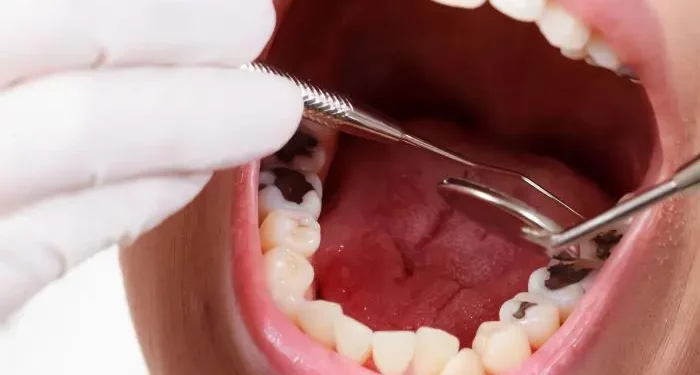
Dental health is a critical aspect of overall well-being, and one of the most common issues people face is cavities. While many individuals are aware of the damage cavities can cause to teeth, the relationship between cavities and gum pain is often overlooked. This article explores the connection between cavities and gum discomfort, providing insights into the causes, symptoms, and preventive measures.
Understanding Cavities
What Are Cavities?
Cavities, also known as dental caries or tooth decay, are areas of decay on the tooth surface caused by the demineralization of enamel due to acid produced by bacteria. The process begins with the formation of plaque—a sticky film of bacteria that forms on teeth. If not removed through proper oral hygiene, plaque can harden into tartar, leading to further decay.
Causes of Cavities
Poor Oral Hygiene: Inadequate brushing and flossing can lead to plaque buildup.
Diet: A diet high in sugars and carbohydrates fuels bacteria that produce acid.
Dry Mouth: Saliva helps neutralize acids; a lack of saliva increases cavity risk.
Fluoride Deficiency: Fluoride helps strengthen enamel and prevent decay.
Tooth Anatomy: Some individuals have deeper grooves in their teeth that are harder to clean.
Symptoms of Cavities
Cavities can progress through several stages, and symptoms may vary depending on the severity:
Early Stages: Often asymptomatic, but may present as white spots on the enamel.
Moderate Decay: Sensitivity to hot, cold, or sweet foods.
Advanced Decay: Severe pain, visible holes in teeth, and potential abscess formation.
Understanding Gum Pain
What Causes Gum Pain?
Gum pain can arise from various conditions, including:
Gingivitis: Inflammation of the gums due to plaque buildup.
Periodontitis: Advanced gum disease that can lead to tooth loss.
Infections: Bacterial infections can cause localized pain.
Cavities: Decay that extends to the gums can lead to inflammation and pain.
Symptoms of Gum Disease
Swollen, red gums
Bleeding during brushing or flossing
Persistent bad breath
Receding gums
Loose teeth
The Connection Between Cavities and Gum Pain
How Cavities Can Affect Gums
Cavities can cause gum pain in several ways:
Infection Spread: Decay can create pathways for bacteria to reach the gums, leading to inflammation and pain.
Abscess Formation: Advanced decay can result in an abscess, causing severe pain and swelling in the gums.
Gum Recession: Cavities near the gum line can lead to gum recession, exposing sensitive tooth roots and causing pain.
Inflammation: The presence of decay can trigger an inflammatory response in the gums.
Symptoms Indicating a Connection
If you experience gum pain along with symptoms of cavities, it may indicate a deeper issue. Signs to watch for include:
Pain localized around a decayed tooth
Swelling or redness in the gums near the cavity
Increased sensitivity in the affected area
Diagnosing the Problem
Role of Dental Professionals
If you experience gum pain and suspect it may be related to cavities, it’s essential to consult a dental professional. Dentists use various diagnostic tools, including:
Visual Examination: Inspecting teeth and gums for signs of decay or disease.
X-rays: Identifying cavities and assessing the extent of decay.
Probing: Checking for gum pocket depths to evaluate gum health.
Importance of Early Detection
Early detection of cavities and gum disease is crucial for effective treatment. Regular dental check-ups can help catch issues before they escalate, reducing the risk of pain and complications.
Treatment Options
Addressing Cavities
Fluoride Treatments: For early-stage cavities, fluoride can help remineralize enamel.
Fillings: Cavities that have progressed require fillings to restore tooth structure.
Crowns: Severe decay may necessitate a crown to protect the tooth.
Root Canals: If decay reaches the pulp, a root canal may be needed to save the tooth.
Treating Gum Pain
Professional Cleaning: Removing plaque and tartar can alleviate gum inflammation.
Antibiotics: In cases of infection, antibiotics may be prescribed.
Surgical Interventions: Advanced gum disease may require surgical procedures to restore gum health.
Home Care Strategies
In addition to professional treatments, maintaining good oral hygiene is essential:
Brushing: Brush twice a day with fluoride toothpaste.
Flossing: Daily flossing helps remove plaque between teeth.
Mouthwash: Antimicrobial mouthwashes can help reduce bacteria.
Dietary Choices: Limit sugary snacks and beverages to reduce cavity risk.
Preventing Cavities and Gum Pain
Good Oral Hygiene Practices
Routine Dental Visits: Regular check-ups can help catch problems early.
Proper Brushing Technique: Use a soft-bristled toothbrush and gentle circular motions.
Flossing: Floss daily to remove plaque from between teeth.
Dietary Considerations: Incorporate foods that promote oral health, such as fruits, vegetables, and dairy.
Lifestyle Factors
Stay Hydrated: Drinking water can help maintain saliva flow.
Avoid Tobacco: Smoking and chewing tobacco can worsen gum disease.
Limit Alcohol Consumption: Excessive alcohol can contribute to dry mouth and gum issues.
Conclusion
Cavities and gum pain are interconnected issues that can significantly impact oral health. Understanding the relationship between the two is essential for effective prevention and treatment. By maintaining good oral hygiene, visiting the dentist regularly, and being aware of the symptoms, individuals can protect their teeth and gums from decay and discomfort. If you experience gum pain, it is crucial to seek professional advice to address any underlying issues promptly. Remember, a proactive approach to dental health can lead to a lifetime of healthy smiles.
Related topics:
What Happens When Tooth Decay Is Left Untreated
What Do Dentist Do for Fillings
Can You Stop Tooth Decay Once It Starts
Tags: bad breathdiseaseGum Diseaseteethtoothtooth decay