


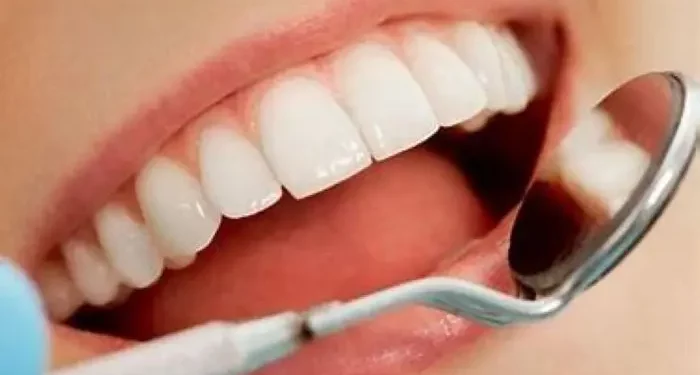
Dental fillings are a common procedure in modern dentistry, essential for restoring the function and aesthetics of teeth affected by decay or damage. While many people may have experienced dental fillings at some point, the process, materials, and aftercare involved can often be misunderstood. This comprehensive guide aims to demystify what dentists do for fillings, covering everything from the initial diagnosis to the various types of materials used, the procedure involved, and post-treatment care.
Understanding Dental Decay
Before delving into the specifics of dental fillings, it’s important to understand dental decay, which is the primary reason for needing a filling. Dental decay, or caries, occurs when bacteria in the mouth produce acids that erode tooth enamel. This process can lead to cavities, which are small holes in the teeth. If left untreated, cavities can progress deeper, potentially leading to more serious dental issues, including infections, abscesses, and tooth loss.
Causes of Dental Decay
Poor Oral Hygiene: Inadequate brushing and flossing allow plaque to build up, leading to decay.
Diet: High sugar and acidic foods contribute significantly to tooth decay.
Dry Mouth: Saliva helps neutralize acids; a lack of it can increase decay risk.
Dental History: Previous decay or fillings can make teeth more susceptible.
The Role of the Dentist
Diagnosis
The first step in the filling process is a thorough examination by a dentist. This typically involves:
Visual Inspection: Dentists look for visible signs of decay, such as discoloration or holes in the teeth.
X-rays: Radiographs help identify decay that may not be visible to the naked eye, especially in between teeth and below the gum line.
Patient History: Dentists may ask about symptoms, such as sensitivity or pain, and about the patient’s dental history.
Treatment Planning
Once decay is diagnosed, the dentist will discuss treatment options with the patient. This may include:
Type of Filling Material: The dentist will explain the different materials available and recommend the best option based on the location of the cavity, the patient’s preferences, and budget considerations.
Procedure Details: Patients will be informed about what to expect during the filling procedure, including anesthesia options and time required.
Types of Filling Materials
Dentists have a variety of materials at their disposal for fillings, each with its advantages and disadvantages.
Amalgam Fillings
Composition: Amalgam is a mixture of metals, including silver, mercury, tin, and copper.
Advantages:
Durable and long-lasting
Cost-effective
Suitable for back teeth due to strength
Disadvantages:
Aesthetic concerns (not tooth-colored)
Potential for mercury sensitivity in some individuals
Composite Fillings
Composition: Made of a resin that can be color-matched to the tooth.
Advantages:
Aesthetic appeal (blends with natural tooth color)
Bonding to the tooth structure can provide additional support
Disadvantages:
Less durable than amalgam, especially in large fillings
More expensive than amalgam
Glass Ionomer Fillings
Composition: Made from a mixture of acrylic and glass.
Advantages:
Releases fluoride, which can help protect the tooth from further decay
Good for areas not subject to heavy chewing pressure
Disadvantages:
Not as durable as amalgam or composite
More suitable for temporary fillings or areas not visible
Resin Ionomer Fillings
Composition: Similar to glass ionomer but with added resins for improved strength and aesthetics.
Advantages:
Good for areas requiring aesthetics
Fluoride release
Disadvantages:
Less durable than composite and amalgam
Porcelain Fillings
Composition: Made from ceramic materials.
Advantages:
Highly aesthetic and can be matched to the tooth color
Very durable
Disadvantages:
More expensive than other filling materials
Requires more than one visit for placement
The Filling Procedure
The process of getting a dental filling typically involves several key steps:
Anesthesia
To ensure patient comfort, the dentist usually administers a local anesthetic to numb the area around the affected tooth. This helps minimize discomfort during the procedure.
Tooth Preparation
Once the area is numb, the dentist uses a drill or laser to remove the decayed portion of the tooth. This step is crucial to prevent further decay and to create a clean surface for the filling.
Cleaning the Cavity
After the decay is removed, the dentist cleans the cavity to eliminate any debris and bacteria. This step may involve rinsing the area with water or using a special solution.
Filling the Cavity
The dentist places the chosen filling material into the cavity. For composite fillings, the material is applied in layers and cured with a special light to harden it. Amalgam fillings are packed into the cavity and shaped to match the tooth’s contours.
Shaping and Polishing
Once the filling is in place, the dentist shapes it to ensure a proper bite and smooth surface. This may involve adjusting the filling and polishing it to enhance aesthetics and comfort.
Post-Procedure Care
After the filling is complete, the dentist will provide instructions for post-treatment care, including:
Avoiding hard foods for a few hours, especially if local anesthesia was used.
Maintaining good oral hygiene practices to ensure the longevity of the filling.
Aftercare and Maintenance
Proper aftercare is essential for the longevity of dental fillings. Here are some key points to consider:
Oral Hygiene
Maintaining excellent oral hygiene is crucial. Brush twice a day with fluoride toothpaste and floss daily to prevent further decay around the filling.
Regular Dental Check-ups
Regular visits to the dentist for check-ups and cleanings can help monitor the condition of fillings and overall dental health. Dentists can detect any issues early, preventing more extensive treatments.
Dietary Considerations
Limiting sugary foods and beverages can help reduce the risk of further decay. Additionally, avoiding very hard foods can prevent damage to fillings.
Sensitivity and Discomfort
Some patients may experience sensitivity to hot or cold temperatures after getting a filling. This is usually temporary, but if sensitivity persists or worsens, it’s important to consult the dentist.
Potential Complications
While dental fillings are generally safe and effective, there can be complications:
Filling Failure: Fillings may crack, chip, or wear down over time, necessitating replacement.
New Decay: If proper oral hygiene is not maintained, new cavities can form around or beneath the filling.
Allergic Reactions: Some patients may have sensitivities or allergies to certain filling materials, particularly metals.
Conclusion
Dental fillings play a crucial role in maintaining oral health by restoring teeth affected by decay. Understanding what dentists do during the filling process, the types of materials available, and the importance of aftercare can empower patients to make informed decisions about their dental health. By prioritizing regular dental visits and maintaining good oral hygiene, individuals can enjoy healthy teeth and a beautiful smile for years to come.
In summary, dental fillings are not just a solution for cavities; they are a vital part of preventive dental care that can help preserve natural teeth and prevent further complications. By working closely with their dentist and adhering to recommended care practices, patients can ensure the longevity of their fillings and overall dental health.
Related topics:
Should Small Cavities Be Filled
How Much Is a White Filling at the Dentist
Do Small Cavity Fillings Hurt
Tags: curedental careteethtoothtooth decay