


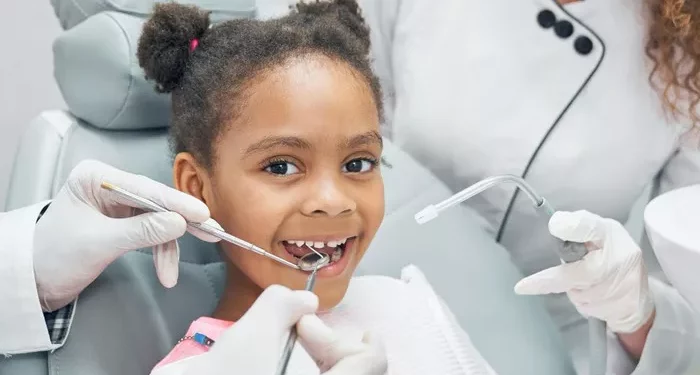
A rising demand for emergency dental services is transforming how urgent oral health care is delivered across the United States, prompting dental clinics to expand into evenings, weekends, and same-day appointment systems as more patients seek alternatives to hospital emergency departments.
The American Dental Association estimates that roughly 2 million people visit U.S. emergency rooms each year for non-traumatic dental conditions. While these cases are typically not life-threatening, severe tooth pain and related complications often leave patients with few immediate options, particularly outside standard dental office hours.
If Your Dog Does This, Here’s What It Means5minstory.com | SponsoredSponsored Undo
Hospital emergency departments are generally not designed to provide definitive dental treatment. In most cases, they can only offer temporary relief, such as antibiotics or pain medication, without addressing the underlying cause of the issue. These cases are also frequently assigned lower triage priority compared to other medical emergencies, despite the intensity of dental pain reported by patients. As a result, many individuals face prolonged discomfort alongside high treatment costs.
Play War Thunder now for freeWar Thunder | SponsoredSponsored Play Now Undo
In response to these challenges, dental providers across the country are increasingly expanding urgent and after-hours care services. This includes weekend availability, extended evening hours, and dedicated same-day emergency appointments. Industry observers say this shift is helping improve access to timely treatment while reducing pressure on overcrowded hospital emergency departments.
Best Super Bowl Betting Sites & Sportsbook PromosFox Sports | SponsoredSponsored Undo
Data indicates that ER visits for non-traumatic dental conditions have remained stable at approximately 2 million annually since 2020, rather than rising sharply. However, the financial burden associated with these visits has increased significantly. According to a CareQuest Institute for Oral Health report, the average cost of a dental-related emergency room visit has climbed to around $2,437 in recent years.
Insurance coverage gaps continue to play a major role in shaping these trends. Many patients rely on Medicaid or other public programs, yet evolving funding structures and rising out-of-pocket expenses are placing additional strain on individuals and state healthcare systems. Analysts warn that these pressures may further limit access to preventive dental care, potentially contributing to an increase in avoidable emergencies.
To bridge this gap, urgent dental care networks and digital booking platforms are emerging to connect patients with providers offering immediate or next-day availability. These systems allow users to locate nearby clinics and filter by specific dental emergencies, helping redirect non-critical cases away from hospital ERs toward dental practices equipped for definitive treatment.
Health professionals note that a large proportion of dental emergencies are linked to delayed routine care. Factors such as cost concerns, lack of insurance coverage, dental anxiety, and rising living expenses often lead individuals to postpone treatment until pain becomes severe, at which point conditions typically require more complex intervention.
An aging population is also contributing to increased demand, as older adults face higher risks of complications related to existing dental work, including crowns, bridges, and implants.
In response to growing demand, many urgent dental providers are introducing transparent pricing models, membership programs, and direct-pay options that reduce reliance on traditional insurance systems. These services are often significantly more affordable than hospital-based emergency care, with common procedures such as examinations or extractions typically ranging from $200 to $500.
Healthcare analysts estimate that treating dental emergencies in dedicated dental clinics can cost 75% to 80% less than equivalent treatment provided in hospital emergency departments. At the same time, untreated dental issues that worsen over time may lead to substantially higher costs if infections or complications require hospitalization.
As demand continues to grow, industry professionals say expanded access to urgent dental care is becoming a key component of modern healthcare delivery. The shift is seen as a more efficient and cost-effective alternative to emergency room treatment, while also improving outcomes for patients experiencing acute dental pain.
Crossout: New Apocalyptic MMOCrossout | SponsoredSponsored Play Now Undo Tags: dental caretooth