


The Big Post-Braces Question
“Doctor, my braces are finally off! Am I completely done with my treatment now?” Or, “How long do I actually have to wear this retainer? Will I need it for the rest of my life?”
The Common Feeling: Patients always ask these burning questions at the end of orthodontic treatment.
The Mixed Emotions: People feel immense excitement about removing their braces but also feel nervous about the next steps.
The Reality Check: Removing your braces simply means your teeth have reached their ideal target positions.
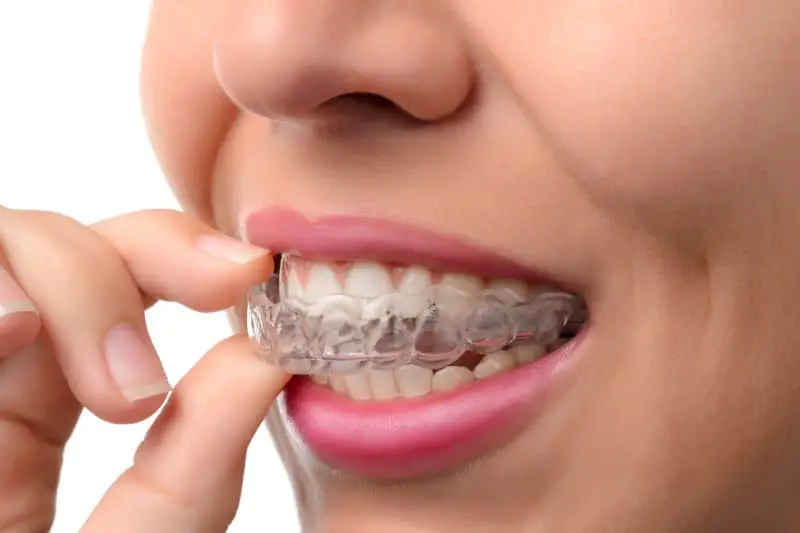
However, this milestone does not mean your dental journey has reached its final destination. You must wear your orthodontic retainer teeth appliance regularly to lock your beautiful smile into place permanently. Otherwise, your teeth will slowly drift back to their original bad positions. Therefore, you must understand the vital role of stabilization in your overall treatment plan. This retention phase protects your hard-earned financial investment and your time.
Why Teeth Move After Braces
You might wonder why your teeth still want to shift after months of wearing braces. Several physiological factors cause this common issue during the stabilization phase.
Bone Remodeling Delay: Your jawbone needs six to twelve months to rebuild around the new tooth roots.
Periodontal Ligament Stretch: The tiny fibers holding your teeth possess a natural, rubber-band-like memory.
Unstable Positions: Teeth remain highly unstable immediately after the removal of orthodontic brackets.
Consequently, your teeth will easily migrate backward without firm and constant physical support. The orthodontic retainer teeth appliance provides this necessary counterforce against natural relapse tendencies. Furthermore, your teeth must adapt to a completely new biting relationship. Your old chewing habits developed around your old, crooked teeth over many years. Therefore, your dental arches and jaw joints require a lengthy transition period to lock in the new bite.
Adapting to New Muscle Memory
Your tongue, cheeks, and lips exert constant pressure on your dental structures every single day. These surrounding muscles adapted completely to your old tooth positions over a lifetime.
The Disrupted Balance: Moving your teeth breaks the old equilibrium of your oral muscle system.
The Soft Tissue Pressure: Your tongue will continue to push against teeth using old biological habits.
The New Harmony: Muscles need time to learn new resting patterns around your straight smile.
Therefore, you must use a retainer to maintain stability while your muscles adjust. The device holds your teeth firmly while the soft tissues establish a new dynamic balance. Consequently, skipping your retainer allows muscle pressure to push your teeth out of line. Thus, retention ensures your facial muscles and teeth learn to work together perfectly.
Choosing Your Retainer Type
Orthodontic retention appliances generally come in three distinct styles based on your individual lifestyle needs. Your dentist will evaluate your initial tooth stability before choosing.
Clear Retainers: These medical-grade thermoplastic polymer trays fit over your teeth invisibly.
Hawley Retainers: This classic option utilizes a durable acrylic base plate combined with a sturdy metal wire.
Fixed Bonded Wire: A thin metal wire attaches directly to the back of your front teeth permanently.
Each option presents unique benefits and drawbacks for your daily oral routine. Clear trays look beautiful and feel smooth, but they can crack easily if handled roughly. Meanwhile, Hawley retainers last for many years and allow slight alignment adjustments. However, the visible metal wire might bother people who care deeply about aesthetics. Finally, fixed wires remain completely hidden but require meticulous cleaning with dental floss threaders.
The Complete Retention Timeline
The ideal wearing schedule varies significantly for every individual patient based on their original misalignment severity. However, most dentists recommend a general timeline lasting one to three years.
First year (Crucial Phase): You must wear the device twenty-four hours a day, excluding meals and brushing.
Second year (Stabilization Phase): You can safely reduce wear to nighttime only if your teeth remain stable.
Third year and Beyond: You should wear the appliance two to three nights per week for long-term safety.
Therefore, you must follow your practitioner’s specific guidance carefully throughout this journey. If your retainer feels tight at night, your teeth are already trying to move. Consequently, you should increase your daily wearing time immediately to counteract this shifting. Consistent compliance during the first year remains the absolute gold standard for preventing orthodontic relapse.
Maintenance Tips for Longevity
Taking excellent care of your retention appliance ensures it stays clean, fresh, and functional for years. Proper handling prevents structural warping and eliminates harmful oral bacteria buildup.
Daily Washing Routine: Rinse the device with cool water and brush it gently using a soft toothbrush.
Sanitization Steps: Soak the appliance regularly in specialized denture cleaning tablets to kill bacteria.
Safe Storage Habits: Always place the device inside a hard plastic protective case when not in use.
Never expose your clear plastic trays to hot water or rubbing alcohol. Consequently, these harsh methods will warp the material and ruin the custom fit completely. Furthermore, avoid wrapping your appliance in loose paper napkins during meals. People frequently throw away their expensive retainers by mistake because of this careless habit.
Dental FAQ: Common Questions Answered
What are crooked teeth?
Crooked teeth represent a structural dental misalignment where individual teeth overlap, twist, or crowd together unnaturally. This condition typically occurs when the human jaw lacks sufficient physical space for adult teeth to erupt normally.
Can crooked teeth be corrected?
Yes, dental professionals can correct misaligned teeth successfully using traditional metal braces, clear aligners, or cosmetic veneers. The most effective treatment path depends entirely on your specific biological needs and misalignment severity.
Is having crooked teeth okay?
While very common, crooked teeth can cause uneven enamel wear, severe tooth decay, and chronic jaw pain over time. Therefore, straightening your teeth significantly improves both your long-term oral health and your overall smile confidence.
Summarize
In summary, graduating from braces is an amazing achievement, but you must protect your new smile. Your bone structure, periodontal ligaments, and facial muscles require time to adapt to their new positions safely.
Using your orthodontic retainer teeth appliance exactly as prescribed prevents your teeth from shifting backward over time. Whether you choose clear trays, Hawley plates, or fixed wires, consistent daily compliance remains absolutely essential. Remember to clean your device with cool water and store it safely inside its protective case. By following these simple professional guidelines, you can enjoy a straight, healthy, and beautiful smile for life.