


Introduction: Does a Retainer Move Teeth Back?
Many patients ask a common question after braces. Does a retainer move teeth back? The short answer is yes—but only in certain situations. Retainers are designed to maintain alignment. However, they can also correct minor shifting.
After orthodontic treatment, teeth naturally try to move. This process is called relapse. Therefore, wearing a retainer becomes essential. In some cases, patients stop wearing it. As a result, teeth begin to drift.
Fortunately, a retainer can help move teeth back slightly. However, its ability is limited. It cannot replace full orthodontic treatment. So, understanding how retainers work is important before relying on them.
How Retainers Work to Maintain Tooth Position
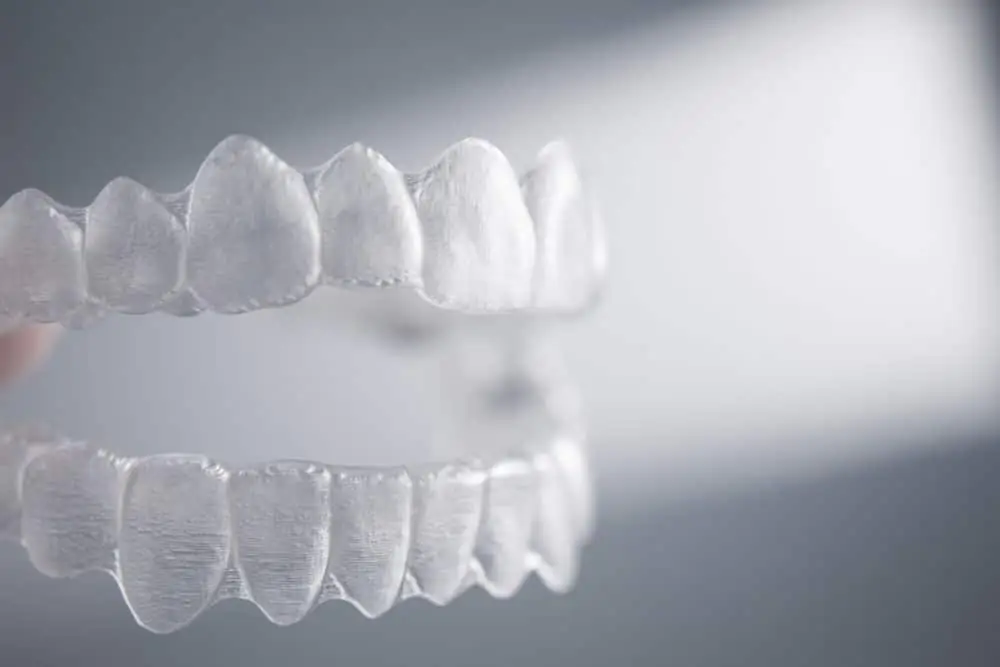
Retainers are custom-made devices. They are designed to keep teeth in place after braces. They apply gentle pressure to prevent movement.
There are two main types:
- Removable retainers
- Clear plastic retainers (Essix)
- Hawley retainers with wire and acrylic
- Fixed retainers
- Bonded wires behind teeth
Each type works differently. However, they all serve the same purpose. They stabilize teeth after alignment.
Additionally, retainers help the surrounding bone adapt. Teeth are not fixed in bone permanently. Instead, they sit in a flexible structure. Therefore, consistent wear is crucial.
Can a Retainer Move Teeth Back Into Place?
Yes, a retainer can move teeth back—but only slightly. This happens when the shift is minimal and recent.
When retainers can help:
- Teeth have moved slightly after skipping wear
- Movement occurred within a short period
- The retainer still fits tightly
In these cases, the retainer applies pressure. Gradually, teeth return to their original position.
However, there are limits:
- Retainers cannot fix severe crowding
- They cannot correct major bite issues
- They cannot rotate teeth significantly
If the retainer no longer fits, it may cause discomfort. In that case, forcing it is not recommended.
Why Teeth Shift After Braces
Teeth shifting is very common. Even after successful treatment, relapse can occur.
Main reasons include:
- Lack of retainer use
Patients often stop wearing retainers too early - Natural aging changes
Teeth move slightly as we age - Jaw growth changes
Especially in younger patients - Gum and bone remodeling
The supporting structures continue to change
Therefore, orthodontists strongly recommend long-term retainer use. In many cases, this means lifelong maintenance.
What Orthodontists Recommend
Orthodontists agree on one key point: retention is essential. Without it, results may not last.
Common recommendations:
- Wear retainers full-time initially
- Transition to nighttime wear long-term
- Replace worn retainers when needed
- Visit your dentist regularly
Additionally, if teeth have shifted noticeably, orthodontists may suggest:
- New retainers
- Clear aligners (like Invisalign)
- Minor orthodontic retreatment
Therefore, early action is important. The sooner you address shifting, the easier it is to correct.
Signs Your Retainer Is Still Working
You may wonder if your retainer is effective. Fortunately, there are clear signs.
Positive signs include:
- Slight tightness when wearing it
- Teeth feeling aligned after removal
- No visible gaps or crowding
However, warning signs include:
- Retainer does not fit
- Pain or excessive pressure
- Visible tooth movement
If you notice these issues, consult a dental professional. Do not try to adjust the retainer yourself.
FAQ Section
Can not wearing retainers cause TMJ?
Yes, it can contribute to TMJ issues. When teeth shift, your bite changes. This may place stress on the jaw joint. Over time, this can lead to discomfort or TMJ symptoms.
However, TMJ has multiple causes. Retainer neglect is only one factor. Therefore, proper diagnosis is important.
Should I wear my retainer if I have gingivitis?
You can still wear your retainer, but caution is needed. Gingivitis causes gum inflammation. Therefore, hygiene becomes critical.
Recommendations:
- Clean your retainer thoroughly
- Brush and floss regularly
- Avoid wearing it if it causes pain
Additionally, treat gingivitis as soon as possible. Healthy gums support stable teeth.
When You Need More Than a Retainer
Sometimes, a retainer is not enough. If teeth have shifted significantly, other treatments are required.
Options include:
- Clear aligners for mild correction
- Braces for moderate to severe cases
- Cosmetic options like veneers
Each option depends on your condition. Therefore, a professional evaluation is necessary.
Conclusion: Does a Retainer Move Teeth Back?
So, does a retainer move teeth back? Yes, but only for minor and recent shifts. It works best as a preventive tool rather than a corrective one.
Therefore, consistent wear is the key to long-term success. If you notice changes, act quickly. Early correction is always easier.
Ultimately, retainers protect your investment in your smile. With proper use, they keep your teeth aligned for years to come.