


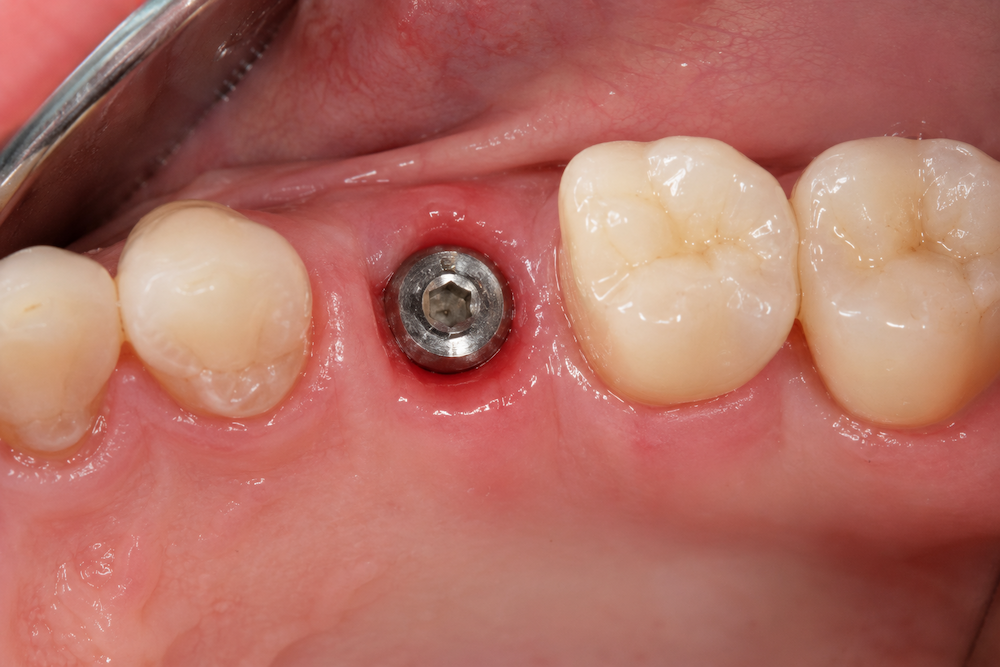
Dental implant failure signs often appear before the implant becomes unsalvageable. Before treatment, many patients focus on price, pain, and service life. However, after implant surgery, some people stop paying close attention. That is where problems can begin.
A dental implant is not a natural tooth. Even so, it still needs daily cleaning, regular checkups, and careful use. If bacteria build up around it, the gum and bone can become inflamed. If the implant carries too much force, the surrounding bone may also suffer.
Fortunately, many problems can be managed early. However, delay can turn a small warning into a serious failure. Therefore, patients should learn the signs in order, from early gum bleeding to late implant looseness.
Next, let’s look at each warning sign clearly.
Bleeding When Brushing and Bad Breath: The First Alarm
This is one of the easiest signs to ignore. Some patients notice a little blood when brushing around the implant. Then, they blame the toothbrush or brushing pressure. However, repeated bleeding often means gum inflammation.
At the early stage, the tissue around the implant may become red and tender. Also, the mouth may develop a lasting odor. This can happen when bacteria gather around the implant crown and gumline.
This stage is often called peri-implant mucositis. The inflammation stays mainly in the soft tissue. The supporting bone has not shown obvious loss yet. Therefore, this is the best time to act.
Common early signs include:
- Bleeding during brushing
- Red gum around the implant
- Mild swelling
- Tenderness when touched
- Persistent bad breath
- Unpleasant taste
At this point, professional cleaning can often help. In addition, better home care can control plaque. So, do not wait until pain appears.
Red Swollen Gums, Gum Bumps, and Pus: Infection Is Moving Deeper
If early gum inflammation does not improve, bacteria can spread deeper. Then, the condition may become peri-implantitis. At this stage, the infection no longer affects only the gum. It may begin to damage the bone around the implant.
You may notice darker red gums. Also, the gum may swell clearly. Sometimes, a small bump forms beside the implant. When pressed, it may release pus.
However, this problem may not hurt. That can mislead patients. No pain does not mean no danger. In fact, bone loss can progress quietly.
Warning signs include:
- Dark red gum tissue
- Repeated swelling
- Gum bump near the implant
- Pus discharge
- Bad taste
- Bleeding around the implant
- Tenderness or pressure
At this stage, patients should see a dentist soon. The dentist may take X-rays and check bone support. Also, deeper cleaning or infection treatment may be needed.
Therefore, do not ignore a painless abscess.
Loose Dental Implant: A Serious Late Sign
A loose implant is a major warning. Natural teeth can sometimes move slightly and still stay healthy. However, dental implants should not move like natural teeth.
A stable implant connects directly with the surrounding bone. If the implant body moves, the bone connection may have broken down. In many cases, this means the implant has already failed.
The two main causes are:
- Severe bone loss from peri-implantitis
- Long-term overload from heavy biting
The implant depends on bone support. When inflammation destroys the bone, the implant loses its foundation. Then, it may become loose.
Overload can also cause failure. For example, some patients bite nuts, hard bones, or bottle caps with implants. This is risky. Unlike natural teeth, implants do not have periodontal ligaments. Therefore, they do not sense pressure in the same way.
If the implant itself moves, stop chewing on it. Also, do not shake it to test it. Contact your dentist quickly.
Pain When Biting: An Abnormal Signal You Should Not Ignore
A dental implant body has no nerve. So, a healthy implant should not hurt during normal chewing. If pain appears when biting, something may be wrong around the implant.
Possible causes include:
- Advanced peri-implantitis
- Abscess formation
- Bite trauma
- Loose screw or crown
- Implant micro-movement
- Bone inflammation
Some patients only feel pain when they chew. Others feel spontaneous pain without chewing. Either situation needs attention.
Do not rely on painkillers alone. Pain medicine can hide discomfort for a short time. However, it cannot remove infection, correct bite force, or restore bone support.
The right step is a dental examination. The dentist may check the gum, crown, bite, and X-ray image. This helps identify the cause.
Meanwhile, avoid hard foods on that side. Also, do not delay the visit. Pain often means the problem has moved beyond a very early stage.
Lip or Chin Numbness: Possible Nerve Irritation
Lip or chin numbness usually appears soon after implant surgery. This symptom needs careful review, especially after lower jaw implant placement.
The lower jaw contains an important nerve. If an implant sits too close to it, the patient may feel numbness or tingling. Sometimes, post-surgical swelling may also irritate the nerve. However, ongoing numbness should never be ignored.
Possible symptoms include:
- Lower lip numbness
- Chin tingling
- Reduced skin sensation
- Burning feeling
- Strange electric-like sensation
- No improvement after several days
If numbness improves quickly, the issue may be temporary. However, if it stays the same or worsens, contact your dentist. Early evaluation can make a real difference.
The dentist may review imaging and implant position. Then, they can decide the next step.
Therefore, report numbness early. Do not wait and hope it disappears by itself.
Gum Recession and Exposed Implant Metal: A Visible Sign of Bone Loss
Gum recession around an implant can be a clear warning. If the gum slowly moves away, more of the implant neck may show. Sometimes, patients see a gray or metallic edge near the gumline.
This often means the bone under the gum is shrinking. Gums follow the bone. So, when bone support drops, the gum may recede too.
Common signs include:
- Exposed implant metal
- Longer-looking implant crown
- Dark shadow near the gum
- Food trapping around the implant
- Gumline moving downward
- Poor appearance in the smile area
- More inflammation around the edge
This sign often means the problem has existed for some time. It may link to peri-implantitis, thin gum tissue, poor cleaning, or implant position.
Patients should not treat this as only an aesthetic issue. Bone loss can affect long-term implant stability. Therefore, a dentist should check the bone level and gum condition.
Early care may help slow further damage.
Main Causes of Dental Implant Failure
After understanding the warning signs, it helps to know why they happen. Dental implant failure usually has several possible causes. Sometimes, two or more factors work together.
The main causes include:
- Poor oral cleaning
Plaque and tartar can collect around the implant. Then, bacteria can trigger inflammation. - Smoking
Nicotine reduces blood flow. As a result, gum healing and infection control become weaker. - Poorly controlled systemic disease
For example, uncontrolled diabetes can affect bone healing and immune response. - Excessive bite force
Hard biting, teeth grinding, and chewing hard objects can overload the implant. - Technical or material problems
Poor surgical planning, unsuitable implant position, or low-quality restoration design can increase risk.
In addition, missed checkups can make small problems worse. A dentist can often find early inflammation before the patient feels pain.
Therefore, prevention depends on both patient care and professional follow-up.
How to Protect Your Dental Implant Every Day
Daily maintenance decides a lot. Even the best implant needs clean gums and stable bite force. Therefore, home care should become a long-term habit.
Helpful daily habits include:
- Brush twice a day.
- Clean carefully around the implant.
- Use interdental brushes if advised.
- Use implant-safe floss if suitable.
- Rinse after meals.
- Consider a water flosser.
- Avoid smoking.
- Avoid biting hard objects.
- Wear a night guard if you grind.
- Control diabetes and other health problems.
However, a water flosser does not replace brushing. It helps remove food debris. Yet plaque still needs direct cleaning with a brush or interdental tool.
Also, avoid using implants as tools. Do not open packages or crack hard shells with them. This can cause overload and damage.
In short, implants need both hygiene and mechanical protection.
Why Regular Dental Checkups Matter
Many implant problems start without pain. Therefore, regular checkups are essential. A dentist can find signs that patients may miss.
During a checkup, the dentist may examine:
- Gum color
- Bleeding points
- Pocket depth
- Plaque and tartar
- Crown tightness
- Screw stability
- Bite balance
- Bone level on X-ray
- Signs of gum recession
Regular visits can catch inflammation early. Then, treatment becomes easier. For example, early mucositis may improve with cleaning and better home care. However, advanced peri-implantitis may require complex treatment.
Most patients need implant reviews every six months. Yet high-risk patients may need more frequent visits. Smokers, diabetics, and people with gum disease should be especially careful.
So, do not skip follow-up visits. They protect the investment and the implant itself.
What to Do If You Notice Warning Signs
If you notice a warning sign, stay calm. However, take action quickly. Early care gives the implant a better chance.
You should:
- Stop chewing hard food on that side.
- Keep the area clean, but brush gently.
- Do not press or squeeze gum bumps.
- Do not shake the implant.
- Do not self-medicate for many days.
- Book a dental appointment.
- Bring previous implant records if available.
Also, tell your dentist when the symptom started. Mention bleeding, bad breath, pus, pain, numbness, or bite changes. These details help diagnosis.
The dentist may need an X-ray. In some cases, a CBCT scan may help assess bone and implant position.
Remember, delay can allow bone loss to continue. Therefore, quick action is the best response.
Common Questions About Dental Implant Failure
Can dental implant failure be reversed?
Early gum inflammation can often improve with care. However, severe bone loss or implant looseness may not be reversible.
Is bleeding around an implant normal?
No. Repeated bleeding is not normal. It may suggest inflammation around the implant.
Does implant infection always hurt?
No. Some infections cause little or no pain. Therefore, swelling, pus, and bad breath matter.
Can a loose implant tighten again?
If only the crown or screw is loose, the dentist may fix it. However, if the implant body moves, failure is likely.
Why does my implant smell bad?
A bad smell may come from bacteria, trapped food, loose components, or infection. A dentist should check it.
Can smoking really cause implant failure?
Yes. Smoking reduces blood flow and weakens healing. It also increases infection risk.
How often should implants be checked?
Many patients need checkups every six months. However, your dentist may suggest a shorter interval.
Conclusion
Dental implant failure rarely happens suddenly. In most cases, the mouth sends signals first. The earliest signs may be bleeding, redness, and bad breath. Later, swelling, pus, pain, gum recession, numbness, or looseness may appear.
The most important rule is simple. Do not ignore small changes around an implant. Also, do not wait for pain. A painless gum bump can still mean bone damage.
After implant surgery, treat the implant like a natural tooth. In fact, give it even more care. Clean it every day. Visit your dentist regularly. Avoid smoking. Also, avoid biting hard objects.
These habits may seem simple. However, they help implants last longer.