


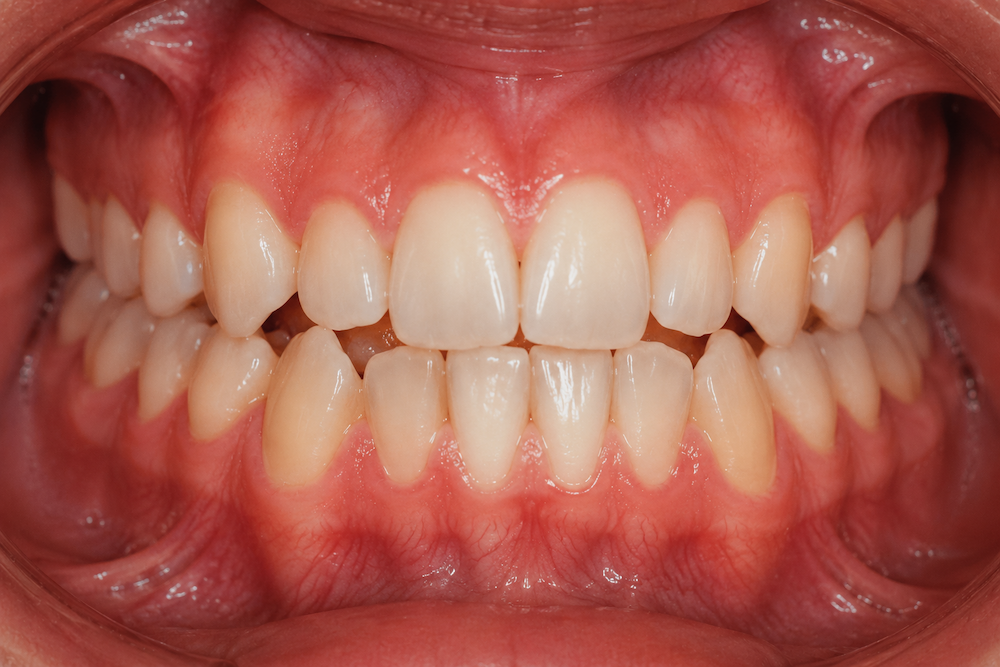
Introduction: Why Orthodontic Relapse After Braces Happens
Orthodontic relapse after braces is more common than most people expect. Many patients believe treatment ends when braces come off. However, that is only the beginning of the retention phase.
After braces, teeth shifting after braces can occur because the surrounding tissues are still adapting. The periodontal ligament has memory. As a result, it tries to pull teeth back to their original positions.
In addition, bone remodeling takes time. Therefore, teeth are not fully stable right away. If proper retention is not followed, relapse can happen gradually.
Moreover, this process is not considered treatment failure. Instead, it is a natural biological response. That is why long-term maintenance plays a critical role in orthodontic success.
What Causes Teeth Shifting After Braces?
There are several reasons behind orthodontic relapse after braces. Understanding these causes helps patients take better control of their results.
- Improper retainer use
First of all, inconsistent retainer wear is the most common reason. If removable retainers are not worn enough, teeth can shift quickly. - Retainer damage or loss
In addition, fixed retainers may detach. If not repaired in time, alignment can be lost. - Treatment limitations
Sometimes, minor imperfections remain after treatment. For example, incomplete rotation correction can increase relapse risk. - Growth changes
Especially in younger patients, jaw growth continues. As a result, alignment may change over time. - Wisdom teeth pressure
Impacted or erupting wisdom teeth can push other teeth forward. This may cause crowding again. - Bad oral habits
Habits like tongue thrusting, mouth breathing, or lip biting apply pressure. Therefore, teeth may move gradually.
Among all these factors, poor retainer compliance remains the leading cause.
How to Fix Orthodontic Relapse After Braces
If you notice teeth shifting after braces, do not panic. There are effective solutions depending on severity. However, early action is always better.
Mild Relapse (Within the First Year)
If the movement is small, correction is usually simple:
- Resume wearing your retainer immediately
- Increase wearing time to full-day use if needed
- Check if the retainer still fits properly
- Correct harmful oral habits
In many cases, mild relapse can be reversed without major treatment.
Moderate to Severe Relapse
If the shift is more obvious, professional help is required:
- Visit your orthodontist for evaluation
- Take updated scans or X-rays
- Identify the root cause of relapse
- Start a second orthodontic treatment if necessary
Sometimes, minor adjustments take only a few months. However, complex cases may need comprehensive retreatment.
Importantly, never try to force an old retainer onto your teeth. This can cause uneven pressure and damage.
Additional Treatments That Support Relapse Correction
Besides braces or aligners, other supportive treatments can improve outcomes. These methods address underlying causes and stabilize results.
- Retainer adjustment strategy
For example, your orthodontist may extend wear time. Daytime wear may be recommended temporarily. - Occlusion adjustment
If bite interference exists, minor corrections can improve stability. - Wisdom tooth removal
When wisdom teeth create pressure, extraction may be necessary. - Periodontal therapy
Healthy gums provide strong support. Therefore, treating gum disease is essential before correction. - Habit correction appliances
Devices can help stop tongue thrust or mouth breathing.
These approaches often work together. As a result, long-term stability improves significantly.
How to Prevent Teeth Relapse After Braces
Prevention is always easier than correction. Therefore, following proper aftercare is critical.
1. Wear Your Retainer as Directed
At first, full-time wear is usually required. Later, patients can switch to nighttime use. However, some cases require lifelong night wear.
If your retainer feels loose or tight, contact your dentist immediately. Do not adjust it yourself.
2. Schedule Regular Checkups
Follow-up visits help detect small changes early. Typically:
- Every 3–6 months in the first year
- Once a year after stabilization
Early intervention prevents major relapse.
3. Maintain Gum Health
Healthy gums keep teeth stable. Therefore:
- Brush twice daily
- Use floss regularly
- Get professional cleanings
If you notice bleeding or swelling, seek treatment quickly.
Lifestyle Habits That Affect Teeth Stability
Daily habits play a major role in long-term alignment. Even small behaviors can impact results.
- Avoid nail biting and lip chewing
- Practice nasal breathing instead of mouth breathing
- Chew evenly on both sides
- Address teeth grinding with a night guard
In addition, awareness is key. Once habits are corrected, relapse risk decreases significantly.
Proper Retainer Care Tips
Taking care of your retainer is just as important as wearing it. Poor maintenance can lead to deformation or bacterial buildup.
- Always store retainers in a protective case
- Clean them daily with a soft brush
- Use mild soap or retainer cleaner
- Avoid hot water, which can warp plastic
- Never wrap them in tissue, as they can be thrown away
By maintaining your retainer properly, you extend its lifespan and effectiveness.
When Should You Consider Second Orthodontic Treatment?
Second orthodontic treatment becomes necessary when relapse affects function or aesthetics.
You should consider retreatment if:
- Teeth crowding becomes noticeable
- Bite alignment changes
- Gaps reopen significantly
- Retainers no longer fit
Modern options like clear aligners make retreatment more convenient. Therefore, many adults choose to correct relapse again.
Summarize
Orthodontic relapse after braces is a natural and manageable issue. Teeth shifting after braces happens due to biological and behavioral factors. However, with proper retainer use, regular checkups, and healthy habits, relapse can often be prevented.
If relapse does occur, early intervention is key. Mild cases may only need retainer adjustments. More severe cases may require second orthodontic treatment.
Ultimately, maintaining your smile is a long-term commitment. By staying consistent and proactive, you can preserve your orthodontic results for years to come.