


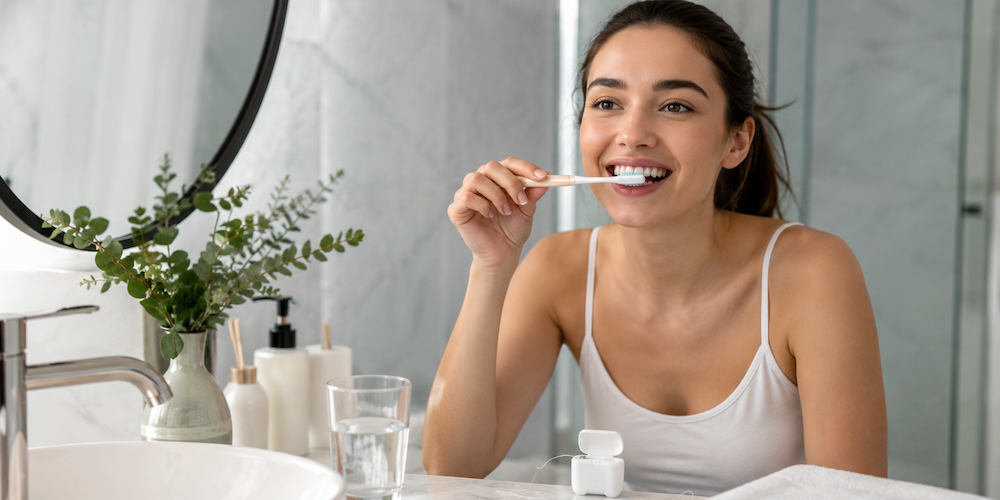
Many people brush their teeth every day but still notice that their teeth gradually become yellow or lose their natural brightness. This can be frustrating, especially when good oral hygiene does not seem to improve the appearance of their smile.
However, yellow-looking teeth are not always caused by poor brushing habits. Tooth color is affected by many factors, including diet, enamel changes, oral care methods, saliva production, and certain medical or environmental influences. Therefore, simply brushing harder or more frequently is not the right solution. In some cases, aggressive brushing may even damage the enamel and make teeth appear more yellow.
This article explains how to prevent teeth from yellowing by looking at the hidden causes behind tooth discoloration and the practical ways to improve your smile safely.
Why Teeth Become Yellow Despite Daily Brushing
Tooth color naturally changes over time. The outer layer of a tooth, called enamel, is naturally translucent. Underneath the enamel is dentin, a naturally yellowish tissue that becomes more visible as enamel becomes thinner with age.
In addition, substances from daily habits can attach to the tooth surface and make teeth look darker. Coffee, tea, red wine, tobacco, and certain foods contain pigments that can accumulate on teeth. Even people with good brushing habits may experience discoloration if these habits continue for years.
Therefore, understanding the real reasons behind tooth yellowing is the first step toward choosing the right prevention methods.
Five Hidden Causes of Teeth Yellowing
External Stains from Food and Lifestyle
One of the most common reasons teeth appear yellow is external staining. Dark-colored foods and drinks contain pigments that can stick to the surface of teeth. Over time, these pigments may enter tiny irregularities on the enamel surface, making teeth look dull or darker.
Common causes include:
- Coffee and tea
- Red wine and dark-colored beverages
- Soy sauce and strongly pigmented foods
- Smoking or tobacco exposure
Simply brushing may not completely remove these stains, especially when they have accumulated for a long period. However, reducing exposure and maintaining professional dental cleanings can help prevent severe discoloration.
Enamel Wear and More Visible Dentin
Enamel is the hard outer protective layer of teeth. Although enamel is very strong, it can gradually become thinner due to aging, excessive brushing pressure, or frequent exposure to acidic substances.
When enamel becomes thinner, the naturally yellow color of dentin underneath becomes more noticeable. As a result, teeth may appear yellow even when they are clean.
Using a hard-bristle toothbrush, brushing with excessive force, or frequently chewing very hard objects may contribute to enamel wear. A gentle brushing technique is more beneficial for long-term tooth appearance and health.
Incorrect Brushing Habits Can Affect Tooth Appearance
Brushing your teeth regularly is important, but the method matters more than simply increasing brushing frequency.
Some people believe brushing harder creates cleaner teeth. In reality, aggressive brushing can irritate gums and gradually wear down enamel. At the same time, poor brushing technique may leave plaque and food particles behind, making teeth appear less clean.
Common brushing problems include:
- Brushing for less than two minutes
- Missing the inner surfaces of teeth
- Ignoring areas between teeth
- Using incorrect brushing pressure
Using a soft-bristle toothbrush and a gentle technique, such as the modified Bass brushing method, can help clean effectively while protecting enamel.
Reduced Saliva Production May Increase Staining Risk
Saliva plays an important role in maintaining oral health. It naturally helps wash away food particles, balance acids, and protect tooth surfaces.
When saliva production decreases, the mouth may become less effective at cleaning itself. As a result, plaque and pigments from food and drinks may accumulate more easily.
Several factors may reduce saliva flow, including:
- Dehydration
- Stress
- Poor sleep habits
- Certain medications or health conditions
Keeping the mouth hydrated and maintaining healthy daily routines can support normal saliva function and help protect the appearance of teeth.
Medication and Environmental Factors
Some types of tooth discoloration are related to internal changes inside the tooth rather than surface stains. These changes are usually more difficult to remove through brushing or cleaning.
For example, certain medications taken during tooth development in childhood may affect tooth color. Excessive fluoride exposure during development may also contribute to conditions such as dental fluorosis, which can cause white spots or changes in tooth appearance.
These situations are different from daily staining because the discoloration develops within the tooth structure. A dental professional can help determine the cause and recommend appropriate options.
How to Prevent Teeth from Yellowing with Daily Habits
The best way to maintain a brighter smile is to prevent discoloration before it becomes noticeable. Small daily changes can make a significant difference.
Improve Your Diet and Lifestyle Choices
Reducing frequent exposure to staining foods and drinks is one of the simplest ways to protect tooth color. You do not necessarily need to completely avoid coffee or tea, but controlling frequency and cleaning your mouth afterward can help.
Helpful habits include:
- Drinking water after coffee, tea, or dark-colored foods
- Reducing tobacco use or quitting smoking
- Limiting frequent sugary snacks
- Avoiding excessive acidic foods and drinks
These habits protect not only tooth appearance but also overall oral health.
Use Proper Brushing Techniques
Correct brushing is essential for keeping teeth clean without damaging enamel.
A good brushing routine includes:
- Using a soft-bristle toothbrush
- Brushing twice daily
- Spending about two minutes each time
- Cleaning outer, inner, and chewing surfaces
- Using gentle movements instead of aggressive scrubbing
The goal of brushing is to remove plaque and food debris, not to physically scrape away tooth color. Natural teeth are not naturally pure white, and healthy teeth often have a slightly warm shade.
Professional Teeth Cleaning Can Restore Brightness
Some people try whitening products because they want faster results. However, if yellowing is caused mainly by surface stains or hardened deposits, professional cleaning may be the first recommended step.
Dental cleaning can remove:
- Plaque buildup
- Tartar deposits
- Surface stains from food and drinks
After cleaning, many patients notice that their teeth look brighter because their natural color becomes visible again.
However, professional cleaning does not change the natural color of dentin. If someone wants a lighter shade beyond their natural tooth color, a dentist can discuss suitable whitening options.
Keep Your Mouth Moisturized and Healthy
A healthy amount of saliva helps maintain a cleaner oral environment. Drinking enough water throughout the day supports saliva production and helps rinse away food particles.
Other helpful habits include:
- Drinking enough water daily
- Chewing sugar-free gum to stimulate saliva flow
- Avoiding long periods of dehydration
- Maintaining regular sleep patterns
These simple steps can reduce the buildup of substances that contribute to yellow-looking teeth.
When Should You See a Dentist About Yellow Teeth?
Not all tooth discoloration requires treatment. Some changes are normal, especially as people get older.
However, professional evaluation may be helpful if:
- Teeth suddenly change color
- One tooth becomes darker than others
- Yellowing appears with pain or sensitivity
- Home care does not improve visible stains
A dentist can identify whether the issue is surface staining, enamel changes, or internal discoloration and recommend the safest approach.
Frequently Asked Questions
Can brushing more often prevent teeth from yellowing?
No. Brushing too frequently or too aggressively may damage enamel. Proper brushing technique and regular oral care are more important than brushing harder.
Are naturally yellow teeth unhealthy?
Not necessarily. Healthy teeth are not always bright white. Natural tooth color varies because dentin underneath the enamel has a yellowish tone.
Can coffee and tea permanently stain teeth?
Coffee and tea can cause long-term surface staining when consumed frequently. Drinking water afterward and regular dental cleaning can help reduce buildup.
Does teeth cleaning make teeth whiter?
Professional cleaning can remove surface stains and tartar, making teeth appear brighter. It does not change the natural color of tooth structure.
How can I prevent teeth from yellowing naturally?
Maintaining good brushing habits, limiting staining foods, staying hydrated, and having regular dental checkups are effective ways to protect tooth appearance.
Summary
Yellow-looking teeth are not always a sign of poor brushing. Factors such as food and drink stains, enamel thinning, brushing habits, reduced saliva flow, and certain internal tooth changes can all affect tooth appearance. Understanding the cause is more important than simply trying to brush harder.
The best ways to maintain a brighter smile include practicing proper brushing techniques, improving daily habits, keeping the mouth hydrated, and receiving professional dental cleaning when needed. These approaches support both appearance and long-term oral health.
When people understand how to prevent teeth from yellowing, they can make safer choices and avoid methods that may damage enamel. A healthy smile depends on balanced care, not aggressive cleaning or unrealistic whitening expectations.