


Tooth Sensitivity After Cleaning: Why Does It Happen?
Many people worry when they notice tooth sensitivity after cleaning. After a professional dental cleaning, some patients feel mild soreness, sharp sensitivity when drinking cold water, or a strange feeling that their teeth have become “looser” or that gaps between teeth look larger.
These feelings can be surprising, but dental cleaning itself does not damage healthy teeth. In most cases, the discomfort happens because the cleaning removes plaque and tartar that have been covering areas of the teeth and gums for a long time. Once these deposits are removed, areas that were already affected by gum problems may become temporarily more sensitive.
Understanding why this happens can help you avoid unnecessary worries. Dental cleaning is an important part of maintaining oral health because it removes buildup that daily brushing cannot completely eliminate.
Why Do You Still Need Dental Cleaning If You Brush Daily?
Many people ask, “I brush my teeth every day. Why do I still need professional cleaning?” This is a very common question. Although brushing and flossing are essential, they cannot always reach every surface of the teeth, especially areas between teeth and below the gumline.
Your mouth naturally contains millions of bacteria. These bacteria continuously attach to tooth surfaces and form a sticky layer called dental plaque. Plaque cannot simply be washed away with water or mouth rinses. It needs mechanical removal through brushing, flossing, and professional dental care.
If plaque remains on the teeth for a long time, minerals from saliva can harden it into tartar, also called dental calculus. Unlike soft plaque, tartar cannot be removed with a toothbrush. A professional dental cleaning is needed to safely remove these hardened deposits.
When tartar and plaque accumulate around the gums, they can irritate the gum tissue and contribute to gum inflammation. Over time, untreated gum problems may lead to symptoms such as:
- Bleeding or swollen gums
- Bad breath
- Gum recession
- Loose teeth
- Tooth loss in severe cases
Therefore, regular dental cleaning is not about making teeth weaker. Instead, it helps prevent problems caused by bacterial buildup.
How Professional Teeth Cleaning Removes Tartar
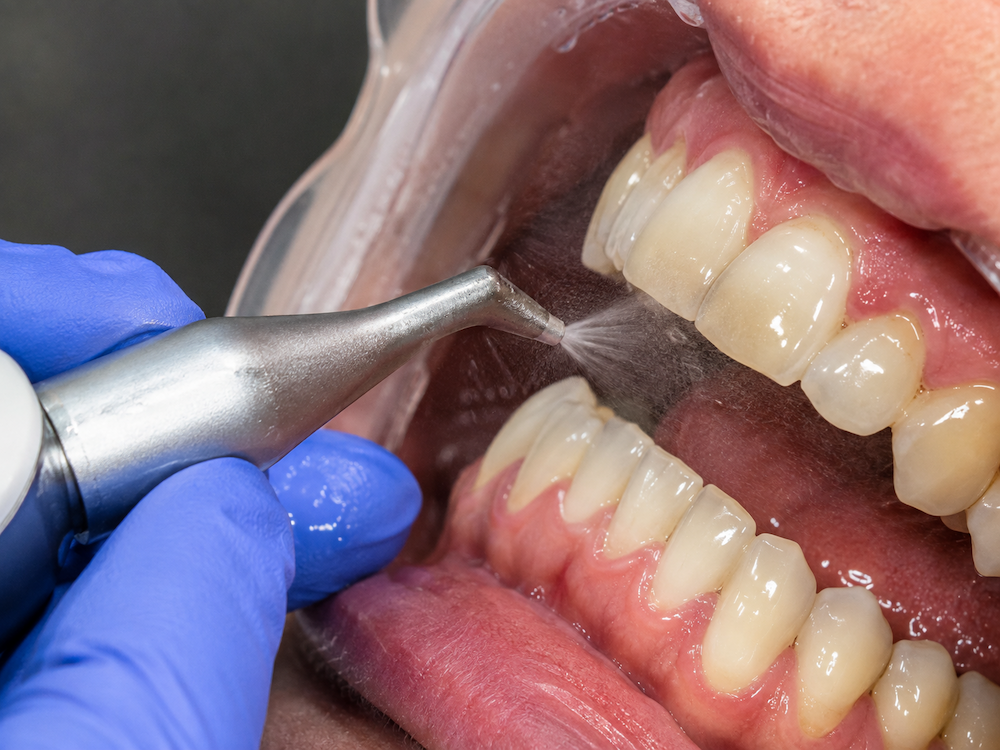
The most common professional cleaning method used in dental clinics is ultrasonic scaling. During this procedure, a specialized instrument uses high-frequency vibrations to break apart tartar attached to the tooth surface.
The process does not scrape away healthy tooth structure. Instead, it targets hardened deposits that should not be there. Water spray from the cleaning device helps wash away loosened tartar and plaque while keeping the area clean.
This allows dentists or hygienists to clean areas that are difficult to reach with normal brushing. These areas often include the spaces between teeth and around the gumline.
Because tartar develops slowly over time, many people do not realize how much buildup has accumulated. After it is removed, the teeth may feel different simply because the covering layer is gone.
Does Dental Cleaning Make Your Teeth Gaps Bigger?
One of the biggest concerns after cleaning is: “Why do my teeth look like they have larger gaps?” Many patients believe this means the cleaning damaged their teeth. However, this is usually not the case.
Before cleaning, tartar may have filled spaces between teeth or around the gumline. Once those deposits are removed, the natural shape and spacing of the teeth become visible again. This can create the impression that the gaps appeared suddenly.
For patients with gum disease, the effect may feel more noticeable. Long-term gum inflammation can cause gum tissue to shrink and the supporting structures around teeth to weaken. Large amounts of tartar may temporarily hide these changes.
After cleaning, patients may notice:
- Spaces between teeth that were already present
- More visible tooth roots due to gum recession
- A feeling that teeth are less “tight”
However, these changes are not caused by dental cleaning. They are signs that existed before but were hidden by tartar buildup.
Removing tartar is actually an important step in stopping gum disease from becoming worse. Leaving tartar in place may continue damaging the gums and supporting bone around the teeth.
Why Does Tooth Sensitivity After Cleaning Happen?
Many patients experience tooth sensitivity after cleaning, especially when eating cold foods, drinking hot beverages, or breathing in cold air. This reaction is usually temporary.
The main reason is that tartar and plaque may have been covering areas that were already sensitive. For example, patients with gum recession or early gum disease may have exposed tooth roots. Before cleaning, the tartar layer can act like insulation, reducing contact with temperature changes.
After professional cleaning removes this layer, the exposed areas may react more strongly to stimulation. The result can be a short period of sensitivity or mild soreness.
Common reasons for sensitivity after cleaning include:
- Exposed tooth roots caused by gum recession
- Existing gum inflammation
- Removal of thick tartar deposits
- Temporary irritation of gum tissues during cleaning
Most patients find that the sensitivity gradually improves as the teeth and gums adjust. Using toothpaste designed for sensitive teeth may help reduce discomfort during this period.
However, if severe pain continues for a long time, it is important to contact your dentist. Persistent discomfort may indicate another dental issue that needs evaluation.
Dental Cleaning Does Not Whiten Teeth Like a Whitening Treatment
Some people notice their teeth look brighter after cleaning and assume that dental cleaning is a whitening procedure. In reality, these are two different treatments.
Dental cleaning mainly removes external stains caused by substances that attach to the tooth surface. For example, people who frequently drink coffee, tea, red wine, or smoke may notice their teeth look cleaner after tartar and stains are removed.
However, professional cleaning does not change the natural color of teeth. If someone naturally has yellowish teeth, fluorosis stains, or tetracycline-related discoloration, cleaning alone will not make the teeth significantly whiter.
For these concerns, dentists may recommend other cosmetic treatments depending on the cause of discoloration.
Signs That Your Teeth May Need Dental Attention
Tooth sensitivity after cleaning is usually temporary. However, certain symptoms should not be ignored because they may indicate underlying oral health problems.
You should consider seeing a dentist if you notice:
- Frequent gum bleeding
- Swollen or painful gums
- Increasing spaces between teeth
- Teeth becoming loose
- Persistent tooth pain
- Changes in tooth color
The spaces between teeth are common areas where plaque can accumulate because toothbrush bristles cannot fully clean them. Using dental floss after brushing can help remove debris from these hard-to-reach areas.
Regular dental checkups are also important. For many adults, professional dental examinations every six months to one year can help detect problems early.
How To Reduce Sensitivity After Dental Cleaning
Although mild sensitivity is common, several habits can make the recovery period more comfortable.
Helpful steps include:
- Use toothpaste designed for sensitive teeth
- Avoid extremely hot or cold foods for a few days
- Continue gentle brushing instead of avoiding the area
- Maintain daily flossing habits
- Follow your dentist’s cleaning recommendations
It is also helpful to limit frequent exposure to acidic foods and drinks. Beverages such as soda, coffee, and wine can affect enamel and may increase sensitivity in some people.
Most importantly, do not avoid professional cleaning because of temporary discomfort. Preventing tartar buildup is much easier than treating advanced gum disease later.
How Often Should You Get Your Teeth Cleaned?
The recommended cleaning schedule depends on your oral condition. Many healthy adults benefit from a professional cleaning every six months to one year.
However, people with gum disease, heavy tartar buildup, or certain oral health risks may need more frequent visits. Your dentist can recommend a schedule based on your gum health and personal needs. Regular cleaning helps control plaque, reduce gum inflammation, and maintain healthier teeth over time.
Frequently Asked Questions
Is tooth sensitivity after cleaning normal?
Yes. Mild sensitivity after dental cleaning is common, especially if you had tartar buildup or gum inflammation. It usually improves within a few days.
Does dental cleaning damage tooth enamel?
No. Professional dental cleaning removes plaque and tartar, not healthy enamel. When performed properly, it helps protect your teeth.
Why do my teeth feel loose after cleaning?
The feeling of looseness is often related to tartar removal or existing gum problems. The cleaning reveals the true condition of your teeth rather than causing movement.
How long does sensitivity last after teeth cleaning?
For most people, sensitivity lasts a few days. If discomfort continues or becomes severe, you should consult your dentist.
Can dental cleaning make teeth whiter?
Cleaning can remove surface stains, making teeth look brighter. However, it does not change the natural color of teeth like professional whitening treatments.
Summary
Dental cleaning is a preventive treatment designed to remove plaque and tartar that cannot be eliminated through regular brushing alone. Although some people experience tooth sensitivity after cleaning, this usually happens because previously covered areas become exposed after tartar removal.
The feeling of larger gaps between teeth or temporary soreness does not mean the cleaning damaged your teeth. Instead, it often reveals existing gum problems or changes that were hidden by tartar buildup. Maintaining regular dental visits, brushing correctly, and using floss can help protect your oral health.
If you experience tooth sensitivity after cleaning, remember that mild discomfort is usually temporary. Professional cleaning remains one of the most effective ways to prevent gum disease and keep your teeth healthy for the long term.