


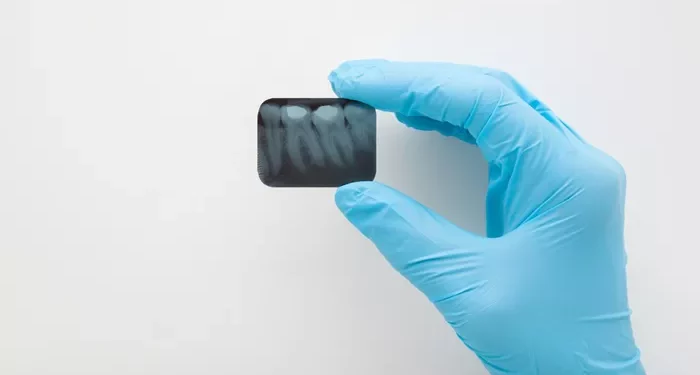
The American Dental Association (ADA) has sought clarification from Principal after dentists received notice that the dental insurance provider would require additional documentation for certain periapical radiographs taken during routine hygiene visits.
The Feb. 19 communication prompted concern among providers, leading ADA leaders from the Council on Dental Benefit Programs to meet with senior Principal representatives on Feb. 20. Following the meeting, Principal agreed its policy update required clearer explanation.
According to the ADA, Principal is reviewing claims that report two or more periapical radiographs submitted with code D0120 (periodic oral evaluation) and code D1110 (adult prophylaxis). The insurer is requesting patient-specific narratives rather than documentation based solely on routine practice.
The required documentation may include positive or negative clinical findings, as either can support the medical necessity of radiographic assessment when symptoms, patient history, or other concerns warrant further evaluation. Principal is also requesting copies of the periapical radiographs. Benefit determinations for other service lines will proceed as usual. If clinical necessity for the radiographs is not documented, the insurer will request additional information before making a final decision.
ADA leadership questioned the need for the policy, noting that radiograph frequency recommendations for new and recall patients have remained unchanged for more than a decade. The association also raised concerns about the administrative burden placed on dental practices already facing inflationary pressures and workforce shortages.
Principal representatives said they could not pause implementation of the policy but agreed to clarify it online and communicate further with in-network dentists, acknowledging confusion caused by the initial notice.
“The meeting with Principal provided the clarity our member dentists deserve. However, despite the clarification offered, the ADA does not agree with Principal’s policy change,” said Shelley Olson, D.D.S., chair of the ADA Council on Dental Benefit Programs.
Dr. Olson emphasized that dentists follow the ALARA (As Low As Reasonably Achievable) principle to minimize patients’ lifetime radiation exposure and support proper documentation within patient records. She argued that requiring detailed narratives on claim forms to justify two or more periapical radiographs — along with potential denials, resubmissions, and appeals — creates an unacceptable administrative burden.
“Decisions about care should be made between dentists and their patients and be based on dentists’ clinical judgment informed by published guidelines,” she said.
The Council on Dental Benefit Programs said it will continue to advocate for dentists and patients and provide updates to ADA members as the issue develops.