


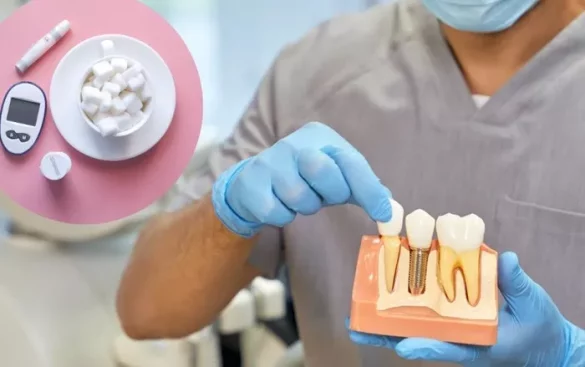
Dental implants have become a popular solution for replacing missing teeth. They offer durability, stability, and a natural appearance. However, for people with diabetes, questions often arise about safety and success. Diabetes affects the body’s ability to heal and fight infections. This can impact dental procedures, including implants. Understanding the risks, benefits, and precautions is essential for diabetics considering implants.
Understanding Diabetes and Its Impact on Oral Health
What is Diabetes?
Diabetes is a chronic condition that affects blood sugar regulation. There are two main types: Type 1, where the body does not produce insulin, and Type 2, where the body cannot use insulin effectively. High blood sugar can damage blood vessels and nerves, impairing healing and increasing infection risk.
Diabetes and Oral Health
Diabetes can lead to several oral health problems. People with diabetes are more prone to gum disease, dry mouth, infections, and delayed healing. Periodontal disease is particularly common and can affect the stability of dental implants. Maintaining good oral hygiene and blood sugar control is critical before and after any dental procedure.
Dental Implants: What They Are and How They Work
Definition of Dental Implants
Dental implants are artificial tooth roots made of titanium or similar materials. They are surgically placed into the jawbone and serve as a foundation for crowns, bridges, or dentures. Implants fuse with the bone through a process called osseointegration, which requires healthy bone and proper healing.
The Implant Procedure
The dental implant process usually involves several steps. First, the dentist evaluates oral health and bone density. Then, the implant is surgically placed into the jawbone. After a healing period, which can last from 3 to 6 months, the crown or prosthetic tooth is attached. Proper healing is critical for long-term success, and diabetes can affect this process.
Are Dental Implants Safe for Diabetics
Risks of Dental Implants for Diabetics
Delayed Healing
Diabetes slows down the body’s ability to heal. High blood sugar can reduce blood flow, which is essential for tissue repair. As a result, dental implants may take longer to integrate with the jawbone. In some cases, the implant may fail to properly fuse with the bone.
Increased Risk of Infection
People with uncontrolled diabetes have a higher risk of infection after surgery. Bacteria can more easily invade tissues, and the immune system may respond less effectively. Infection can compromise the implant and surrounding bone, potentially leading to implant failure.
Bone Loss and Implant Stability
Diabetes may contribute to bone loss over time, especially if periodontal disease is present. Adequate bone density is necessary to support a dental implant. Patients with low bone mass may require bone grafting or additional procedures, which can increase complexity and risk.
Gum Disease Complications
Gum disease is more common in diabetics. Inflammation and infection of the gums can affect the tissues surrounding an implant. If gum disease is not controlled, it can lead to peri-implantitis, a condition that damages the bone and soft tissue and threatens implant success.
Factors That Influence Implant Success in Diabetics
Blood Sugar Control
Maintaining stable blood sugar levels is one of the most important factors. Well-controlled diabetes reduces the risk of infection and improves healing. Patients with HbA1c levels below 7% generally have better outcomes with dental implants.
Oral Hygiene
Good oral hygiene is essential. Brushing, flossing, and regular dental check-ups reduce the risk of gum disease and infection. Patients should follow all post-operative instructions to maintain a clean surgical site.
Overall Health
Other health conditions, such as cardiovascular disease or kidney problems, can affect implant success. A full medical evaluation helps dentists assess risk and plan treatment safely.
Smoking and Lifestyle Factors
Smoking significantly increases implant failure risk in diabetics. Nicotine restricts blood flow and delays healing. Healthy lifestyle choices, including proper nutrition and exercise, support implant success.
Precautions for Diabetic Patients Considering Dental Implants
Pre-Operative Evaluation
Before surgery, dentists should review the patient’s medical history, diabetes control, and medications. Blood tests may be required to assess HbA1c levels and overall health. Imaging tests, like X-rays or CT scans, evaluate bone density and structure.
Collaboration with Healthcare Providers
Coordination between the dentist and the patient’s physician is important. Adjustments to medications or blood sugar management may be recommended before surgery. This collaborative approach improves safety and outcomes.
Choosing the Right Implant System
Some implant systems may offer better integration and stability in patients with diabetes. Surface-treated implants can enhance osseointegration, and shorter treatment protocols may reduce infection risk.
Post-Operative Care
Proper post-operative care is essential for diabetics. This includes following all instructions for oral hygiene, taking prescribed antibiotics if necessary, and monitoring blood sugar closely. Regular follow-up visits allow early detection of complications.
Evidence from Research Studies
Success Rates
Research shows that well-controlled diabetics can achieve implant success rates similar to non-diabetic patients. Studies report success rates ranging from 90% to 95% in patients with stable blood sugar. Poorly controlled diabetes is associated with lower success rates and higher complications.
Complications Observed
Complications include delayed healing, minor infections, and peri-implantitis. Severe complications are rare in patients with well-managed diabetes. Early intervention and strict oral care reduce these risks significantly.
Tips for Diabetics Considering Dental Implants
Manage Blood Sugar
Work closely with your doctor to maintain stable blood sugar. Monitor HbA1c regularly and adjust diet, medications, or insulin as needed.
Maintain Oral Hygiene
Brush and floss daily, and visit your dentist regularly. Professional cleanings before and after implant placement reduce infection risk.
Choose an Experienced Implant Dentist
An experienced dentist can assess risks, plan surgery carefully, and handle complications if they arise. Specialized training in treating medically complex patients is beneficial.
Follow Post-Operative Instructions
Take medications as prescribed, avoid smoking, and maintain a soft diet initially. Regular follow-ups ensure healing progresses well and any issues are addressed promptly.
Conclusion
Dental implants can be safe and effective for diabetics, especially those with well-controlled blood sugar. Risks like delayed healing and infection exist but can be minimized with careful planning, good oral hygiene, and close medical supervision.
Collaboration between the dentist and physician is essential. With proper precautions, diabetics can enjoy the benefits of dental implants, including improved function, aesthetics, and quality of life.