


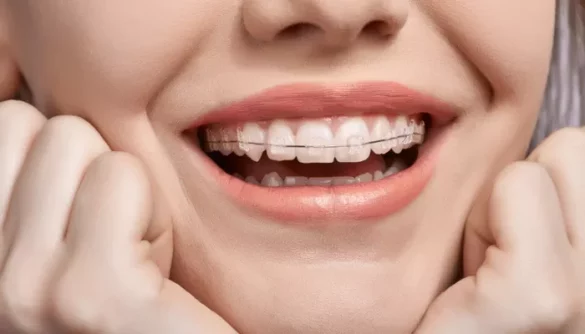
Top braces are orthodontic devices designed to straighten the upper teeth. Many patients seek braces for cosmetic reasons, dental health, or bite correction. Focusing on just the top teeth can sometimes reduce the cost compared to full-mouth treatment. However, the price varies depending on many factors such as material, treatment duration, and location.
Factors Affecting the Cost of Top Braces
Type of Braces
The type of braces greatly influences the price. Common options include:
Metal Braces: Traditional stainless steel braces are usually the most affordable option.
Ceramic Braces: Made from tooth-colored materials, these are less visible but cost more than metal braces.
Lingual Braces: Attached behind the teeth, making them invisible. They are often the most expensive.
Clear Aligners: Brands like Invisalign use a series of clear trays. They are discreet and may be slightly more costly than traditional braces.
Complexity of the Case
The complexity of your dental issues will affect the cost. Straightening minor crowding may require fewer appointments and adjustments, reducing the price. Severe misalignment or bite issues may require longer treatment and more advanced techniques, increasing costs.
Duration of Treatment
Top braces usually need treatment for 6 to 18 months. Longer treatment generally costs more because of more frequent adjustments and follow-ups.
Location of the Orthodontic Clinic
Braces cost varies by region and country. Urban areas with higher living expenses typically have higher prices. Clinics with advanced technology and reputation may also charge more.
Orthodontist’s Experience
Highly experienced orthodontists may charge more for their expertise and quality of care. Choosing a qualified orthodontist ensures effective treatment and reduces the risk of complications.
Average Cost of Top Braces in 2025
Metal Braces
The average cost for top-only metal braces ranges from $1,500 to $3,500. This is lower than full braces, which can cost $3,000 to $7,000 for both arches.
Ceramic Braces
Top-only ceramic braces typically cost between $2,500 and $5,000. They are more aesthetically pleasing than metal braces but slightly more fragile and require careful maintenance.
Lingual Braces
Lingual braces for the top teeth alone can range from $5,000 to $8,000. Because they are placed behind the teeth and require special customization, they are more expensive than traditional braces.
Clear Aligners
Clear aligner systems like Invisalign for the top teeth generally cost $3,000 to $6,000. The final cost depends on the number of trays needed and the complexity of the treatment.
Insurance and Payment Options
Dental Insurance Coverage
Some dental insurance plans cover part of the cost of braces. Usually, coverage is limited to children under 18, but some plans also offer partial adult coverage. The exact amount depends on the policy and the orthodontist’s participation in the insurance network.
Payment Plans
Many orthodontic clinics offer flexible payment plans. Patients can pay monthly instead of a lump sum, making braces more affordable. Interest-free financing is also available in some clinics.
Cost Comparison: Top Braces vs Full Braces
Choosing top-only braces can save money compared to full braces. Here is a comparison:
- Top-Only Metal Braces: $1,500–$3,500
- Full-Mouth Metal Braces: $3,000–$7,000
- Top-Only Ceramic Braces: $2,500–$5,000
- Full-Mouth Ceramic Braces: $4,000–$8,000
- Top-Only Clear Aligners: $3,000–$6,000
- Full-Mouth Clear Aligners: $5,000–$9,000
The cost difference depends on the type of braces and the number of teeth involved.
Additional Costs to Consider
Initial Consultation
Many orthodontists charge $100–$300 for the initial examination and X-rays. Some clinics offer free consultations.
Adjustments and Follow-Up Visits
During treatment, patients need regular appointments for adjustments. Each visit can cost $50–$150 if not included in the initial price.
Retainers
After braces removal, retainers are necessary to maintain teeth alignment. Retainers cost $100–$500, depending on the type.
Emergency Visits
Occasionally, braces may break or shift, requiring emergency visits. These visits may have additional charges.
Tips to Reduce the Cost of Top Braces
Compare Multiple Orthodontists
Get quotes from several clinics. Prices can vary widely for the same type of treatment.
Check Insurance Benefits
Review your dental plan carefully to understand how much it covers for top-only braces.
Consider Less Visible Options
Metal braces are cheaper than ceramic or lingual braces. If cost is a concern, discuss metal braces with your orthodontist.
Payment Plans and Financing
Ask the clinic if they offer installment plans. Interest-free payments make it easier to afford braces without compromising quality.
Flexible Treatment Plans
Sometimes, minor alignment issues can be treated with shorter or simplified plans. Discuss with your orthodontist whether a less intensive plan is suitable.
Pros and Cons of Getting Only Top Braces
Advantages
- Lower cost than full braces.
- Faster treatment in some cases.
- Focus on cosmetic improvement for the upper smile.
- Less discomfort compared to full braces.
Disadvantages
- May not correct lower teeth alignment or bite issues.
- Some cases require both top and bottom braces for effective results.
- Possible relapse if retainers are not used consistently.
Who Is a Candidate for Top Braces Only?
Top braces alone are usually suitable for patients with:
- Minor upper teeth crowding.
- Cosmetic concerns limited to the top smile.
- Proper bite alignment with the lower teeth.
- Good oral hygiene and commitment to follow-up visits.
Orthodontists will evaluate each case individually to ensure top-only treatment is effective.
Conclusion
The cost of top braces varies widely based on the type of braces, treatment duration, location, and orthodontist’s expertise.
On average, top braces can range from $1,500 to $8,000, depending on material and complexity. Patients should consider insurance coverage, payment options, and additional costs like retainers and adjustments. Consultation with a qualified orthodontist is essential to determine if top-only braces are suitable and cost-effective.