


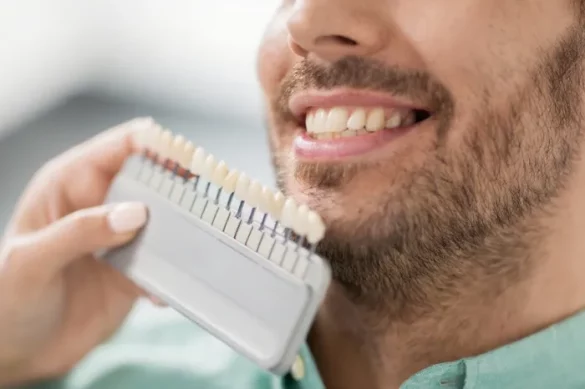
Many people wonder if the color of their teeth reflects their dental health, with one question being whether white teeth are stronger than yellow teeth. This belief is widespread, often driven by social perceptions and cosmetic ideals. However, dental experts say color does not always relate to strength. Here, we explain what determines tooth strength, what causes color changes, and what really matters for a healthy smile.
Understanding Tooth Structure
Teeth are complex, each made up of several layers serving different functions. The main layers are:
The Pulp
This central part of the tooth holds nerves and blood vessels. It keeps the tooth alive by supplying nutrients and sensation.
Dentin
Dentin surrounds the pulp and forms the bulk of the tooth. It is a hard, calcified tissue with a natural yellow shade. The color of your teeth often depends on the dentin, especially as enamel wears down.
Enamel
This is the thin outer layer covering the dentin above the gumline. It is semi-translucent and usually bluish-white. Enamel is the hardest tissue in your body and protects the tooth from decay and damage. However, enamel can thin over time or due to poor dental habits, letting the natural color of dentin show through.
Cementum
Cementum covers the root below the gum. It’s not typically visible nor related to tooth color in a healthy smile.
Tooth Color: White vs Yellow
Tooth color is mainly a cosmetic concern influenced by several factors. Naturally, teeth will not be snow white for everyone. Some have thicker enamel, others have darker dentin. Genetics plays a key role; if your parents have slightly yellow teeth, you probably will too.
What Causes Yellow Teeth?
Yellowing is common and, by itself, is not a sign of unhealthy teeth. The main causes include:
- Diet: Coffee, tea, soda, wine, and many fruits stain enamel.
- Tobacco: Smoking or using tobacco causes deep stains.
- Poor Oral Hygiene: Failing to brush or floss lets plaque build up and stain the enamel.
- Aging: Over time, enamel thins and reveals more yellowish dentin.
- Medication and Medical Conditions: Some drugs, disease treatments, or illnesses change enamel and dentin color.
- Fluoride Exposure: Too much fluoride can cause permanent discoloration.
- Genetics: Some people naturally have yellower teeth or thinner enamel.
Does Color Equal Strength?
The simple answer is no. White teeth are not always stronger than yellow teeth, nor does yellowness make teeth tougher. Tooth strength depends on many other factors:
- Enamel Quality: Thick, strong enamel protects the tooth from decay and damage.
- Mineral Content: Well-mineralized teeth resist cavities better.
- Dental Care: Good brushing, flossing, and regular checkups keep teeth strong.
- Diet: Foods rich in calcium, phosphorus, and vitamins support tooth health.
Sometimes, severely white teeth can indicate enamel erosion (if the enamel is see-through, the tooth may appear extra white or greyish), which might actually mean weaker teeth, not stronger ones. Conversely, teeth may appear more yellow as enamel thins. Strong dentin beneath the enamel absorbs shocks and gives structure, but this does not mean that yellow dentin equals better strength overall.
How Yellow Teeth Can Still Be Healthy
A slightly yellow color often means that dentin is showing through the enamel, and this is natural as we age. Dental professionals agree: yellow teeth can be just as healthy as white teeth if proper oral care is maintained. Dentists warn that sudden or deep yellowing, however, could signal dental issues like enamel loss, plaque buildup, or other conditions requiring attention.
Whitening Teeth: Cosmetic vs Health
Many seek whiter teeth for cosmetic reasons. Whitening does not make teeth stronger or healthier. Treatments include:
Professional Whitening
In-office dental whitening uses stronger agents applied under supervision, ensuring effectiveness and safety. This is suitable for people wanting quick, visible results.
Whitening Trays and Gels
Dentist-provided take-home trays contain carbamide peroxide or hydrogen peroxide and are safer than over-the-counter products, which can sometimes damage enamel or gums if misused.
Veneers
Veneers are thin covers placed over the front teeth, improving appearance but not affecting tooth strength. This is an option if stains and discoloration cannot be removed by other methods.
Whitening Toothpastes
Toothpastes with gentle abrasives or brighteners can lift mild surface stains. It’s important to pick one that’s safe for daily use and does not harm enamel.
Risks With Over-Whitening
Whitening products, especially when overused, can thin the enamel or irritate gums. Dental professionals advise only undergoing whitening treatments with professional guidance. Individuals with thin or sensitive enamel should be cautious and consult a dentist before whitening.
How to Maintain Strong, Healthy Teeth
Strong teeth rely on good daily habits more than their natural color. Important steps include:
- Brush twice a day with fluoride toothpaste
- Floss daily to prevent plaque buildup
- Limit sugary foods and acidic drinks
- Eat a balanced diet with plenty of minerals and vitamins
- Avoid tobacco and reduce consumption of staining drinks
- Visit a dentist regularly for cleaning and checkups
Focusing on these steps helps keep teeth strong, whether they are naturally white or yellow.
Conclusion
The belief that white teeth are stronger than yellow teeth is a myth. Tooth strength does not depend on color; it is determined by the integrity of the enamel and dentin and by your overall oral hygiene, diet, and genetics. Slightly yellow teeth can be healthy, while very white teeth are not always stronger or better protected. Good dental care and regular checkups are far more important than tooth color for a strong, lasting smile.
FAQs
Is it unhealthy to have yellow teeth?
Not necessarily. Natural yellowing can occur due to dentin showing through enamel or as a result of aging and genetics. As long as proper dental care is followed, yellow teeth can be healthy and strong.
Does whitening my teeth make them stronger?
No. Whitening teeth is purely cosmetic. It removes stains but does not improve tooth strength. In fact, over-whitening can sometimes harm tooth enamel.
What is the best way to keep my teeth strong?
Maintain a balanced diet, practice daily oral hygiene, limit sugary drinks, and visit your dentist regularly.
Should I worry if my teeth are turning more yellow over time?
Gradual yellowing is typical with age, but sudden or patchy discoloration, especially paired with sensitivity or pain, should be checked by a dentist. It may be a sign of enamel damage or other dental problems.
Are there natural ways to brighten my smile safely?
Brush and floss regularly, reduce intake of staining foods and drinks, and see your dentist for cleanings. Avoid harsh whitening remedies without professional advice.