


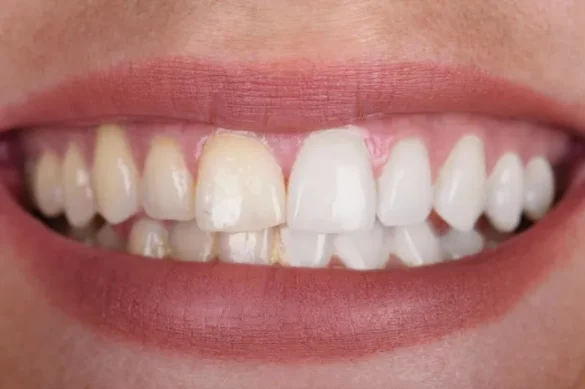
What Is Whitening Toothpaste?
Whitening toothpaste is a dental product designed to help remove surface stains from teeth and improve their overall brightness. Many toothpaste brands offer whitening formulas. These usually contain mild abrasives or chemical agents such as hydrogen peroxide or carbamide peroxide. The purpose is to break down and remove molecules causing discoloration on the outer enamel layer. Whitening toothpaste is less concentrated than professional whitening treatments, making it generally safe for daily use.
Whitening toothpaste works primarily by scrubbing away stains and, in some cases, chemically breaking down deeper discoloration. Some products rely on abrasives to physically polish the enamel. Others use low levels of bleaching compounds. Compared to home-use kits or professional treatments administered by dentists, whitening toothpaste is considered the mildest option for brightening your smile.
How Whitening Toothpaste Can Lead to Tooth Pain
Many users of whitening toothpaste find their teeth become sensitive or painful soon after starting to use these products. Tooth pain varies in intensity and can be triggered by cold, sweet, sour, or acidic foods as well as by brushing. This discomfort is known as tooth sensitivity and is a common side effect associated with whitening treatments.
The main reason whitening toothpaste can lead to tooth pain is its effect on enamel. Whitening agents like hydrogen peroxide can cause demineralization, making teeth more porous. The enamel contains microscopic channels known as dentinal tubules. When these tubules become exposed, cold or hot sensations travel more easily to the tooth’s nerve, leading to pain.
For most people, the pain is temporary. The minerals in the enamel recover over time, and sensitivity usually subsides within a few days. However, if someone has thin enamel or pre-existing dental issues, the pain can persist longer, and the risk for discomfort is higher.
Types of Whitening Toothpaste Ingredients
Most whitening toothpastes feature two types of ingredients:
Mild Abrasives
These help scrub away surface stains. While effective, excessive use of abrasive toothpaste can gradually wear down the protective enamel layer, making teeth more vulnerable to sensitivity.
Peroxide Compounds
Small amounts of hydrogen peroxide or carbamide peroxide bleach stains beneath the surface. These chemicals work effectively but can also temporarily demineralize the enamel. When used incorrectly or too often, they can cause discomfort or even lasting tooth sensitivity.
Factors Increasing Tooth Sensitivity
Not every user of whitening toothpaste will experience tooth pain. Some people are more sensitive to its ingredients than others. The following factors increase the risk of sensitivity:
- Pre-existing thin or weakened enamel
- Dental conditions like exposed roots or cavities
- Use of high-concentration whitening agents
- Frequent or prolonged whitening treatment
- Poor brushing technique leading to gum recession
Consulting a dental professional before starting any whitening treatment is a good step, especially if you’re already prone to sensitive teeth.
Signs of Tooth Pain from Whitening Toothpaste
Tooth pain caused by whitening toothpaste usually presents itself through the following symptoms:
- Sharp or sudden pain when consuming cold foods or beverages
- Discomfort when eating sweet, sour, or acidic items
- Pain while brushing teeth or breathing in cold air
- Persistent sensitivity after starting a new whitening regimen
These symptoms may indicate temporary enamel changes. If pain persists or worsens, it’s important to seek professional dental advice.
Preventing Tooth Pain from Whitening Toothpaste
There are ways to minimize tooth pain when using whitening toothpaste. Try these approaches for safer whitening:
Use Products Advertised for Sensitive Teeth
Some whitening toothpastes are specially formulated for people with sensitive enamel. These contain gentler abrasives and less aggressive chemicals.
Follow Usage Instructions Carefully
Always read and follow the instructions provided on whitening toothpaste packaging. Using more product than recommended or brushing too forcefully can increase discomfort.
Limit Whitening Frequency
Whitening toothpaste is designed for daily use, but if you notice increased sensitivity, try alternating days or using a regular toothpaste as needed.
Increase Gaps Between Treatments
If pain is noticeable, take breaks from using whitening products. Give your enamel time to recover minerals and reduce discomfort.
Consider Desensitizing Products
If your teeth remain sensitive, try using toothpaste designed for sensitivity. These products can help replenish minerals and block pain signals.
Managing Tooth Pain and Sensitivity
If you develop tooth pain after using whitening toothpaste, consider these strategies:
Switch to a Lower-Concentration Toothpaste
Choose whitening products with fewer whitening agents or milder abrasives. Look for labels indicating suitability for sensitive teeth.
Use a Desensitizing Toothpaste
Products containing potassium nitrate or stannous fluoride are effective at reducing tooth sensitivity. Use these daily until symptoms improve.
Visit Your Dentist
If pain persists for more than a few days or is severe, schedule a dental appointment. Your dentist can assess enamel thickness, identify underlying conditions, and recommend professional treatments.
Avoid Trigger Foods
Reduce consumption of cold, sweet, or acidic foods while your teeth are recovering from sensitivity. This helps minimize discomfort and allows time for enamel to heal.
Can Whitening Toothpaste Cause Permanent Tooth Pain?
If used improperly or excessively, whitening toothpaste may cause lasting enamel damage, leading to chronic sensitivity and pain. Always adhere to instructions and avoid over-application. If you notice prolonged pain, discontinue use and consult a professional. Permanent damage is rare but can occur with misuse, use of highly abrasive products, or prolonged exposure to strong bleaching agents.
When to Seek Professional Advice
Consult a dental professional before beginning any whitening regimen, especially if you have a history of sensitive teeth. Dentists can help you select products suitable for your enamel type and provide treatments if sensitivity or pain develops. They may recommend professional-grade whitening in-office if you’re at high risk for discomfort, where protective measures can be taken.
Conclusion
Whitening toothpaste can cause tooth pain or sensitivity in some cases, particularly for individuals with pre-existing dental issues or those who use concentrated or abrasive products excessively. Usually, this pain is temporary and manageable with simple changes in oral care routines. Always follow product instructions, and consult your dentist for personalized advice. Taking these steps can help you safely achieve a brighter smile without compromising tooth comfort or health.
FAQs
Can whitening toothpaste damage my teeth permanently?
Permanent damage is rare but possible if whitening toothpaste is misused or used excessively. Always follow directions and consult your dentist if you experience pain.
How long does tooth pain last after using whitening toothpaste?
For most people, it lasts a few days. If pain persists more than two weeks, contact your dentist.
Is whitening toothpaste safe for daily use?
Most whitening toothpastes are safe for daily use if you have healthy enamel and follow the instructions. If sensitivity develops, reduce frequency or switch to gentler products.
What should I do if my teeth hurt after using whitening toothpaste?
Stop using the product, avoid triggers such as cold drinks, try a desensitizing toothpaste, and visit your dentist for professional advice.
Who should avoid whitening toothpaste?
People with very thin enamel, exposed roots, or history of dental sensitivity should consult a dentist before using whitening products.