


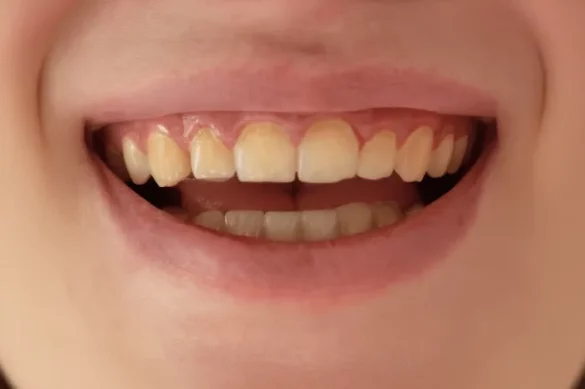
Yellow teeth are a common dental concern for people of all ages. Many individuals notice their teeth gradually taking on a yellow hue and wonder whether these stains are permanent or if there is something they can do to restore their bright smile. Understanding the nature of yellow teeth stains, their causes, and the available treatment options is the first step toward effective prevention and management.
What Causes Yellow Teeth Stains?
Extrinsic Versus Intrinsic Stains
Dentists categorize teeth stains into two main types: extrinsic and intrinsic stains. Extrinsic stains appear on the outer surface (enamel) of the teeth. These are usually the result of consuming stain-causing foods and drinks, such as coffee, tea, red wine, cola, berries, tomatoes, and highly pigmented sauces. Tobacco use, including smoking, is another leading cause. Poor oral hygiene can also allow plaque and debris to build up, causing teeth to appear yellow and dull.
Intrinsic stains are discolorations that occur beneath the surface of the tooth, within the dentin or enamel itself. Several factors can cause intrinsic stains, including certain medications (like tetracycline or excessive fluoride), dental trauma, certain diseases, and even genetics. Age-related changes are often a mix of both intrinsic and extrinsic factors because enamel gets thinner as we age, revealing the yellower dentin beneath.
The Role of Aging in Yellow Teeth
As you get older, it is natural for the enamel on your teeth to wear down. This thinning enamel allows the naturally yellowish dentin beneath it to become more visible. Even with excellent oral hygiene, age-related yellowing is almost unavoidable. However, lifestyle factors like diet, oral care, and tobacco use can accelerate this process.
Are All Yellow Stains Permanent?
The good news is that most yellow stains on teeth are not permanent. Extrinsic stains, because they are located on the surface of the tooth, are typically the easiest to address. Regular professional cleanings, good oral hygiene practices, and at-home whitening products can often remove or significantly lighten these stains. If staining foods and beverages are avoided and proper brushing and flossing habits are maintained, the yellow color can often be reversed.
Intrinsic stains are more challenging. Since these affect the interior of the tooth, brushing alone is usually not enough. However, many intrinsic stains still respond to certain professional whitening treatments. In instances where whitening is not effective, dentists may recommend other cosmetic procedures to cover or mask the stain.
How Do Dentists Treat Yellow Teeth Stains?
Professional Teeth Whitening
Professional in-office whitening is one of the most common and effective treatments for yellow teeth, especially for extrinsic stains. Dentists use strong bleaching agents, often based on hydrogen peroxide or carbamide peroxide, which break up and lift stains from the tooth’s surface. In-office procedures can deliver noticeable improvements in just one session. Take-home whitening kits are another option; these use milder whitening agents and require daily applications over a period of weeks. Both methods are considered safe and effective when administered by dental professionals.
Treating Deep Stains: Bonding, Veneers, and Crowns
For intrinsic stains, especially those that do not respond to bleaching, dentists may recommend other restorative or cosmetic treatments. Dental bonding uses a tooth-colored composite resin to cover stains and other imperfections. Porcelain veneers are thin shells placed over the front of the teeth to mask discoloration; they are especially effective for widespread or stubborn intrinsic stains. Dental crowns, which cap the entire tooth, are generally reserved for teeth weakened by decay or trauma but can also address both aesthetic and structural concerns.
At-Home Whitening Options
Over-the-counter whitening products, such as toothpastes, strips, rinses, and trays, can be helpful for light extrinsic staining. However, people should exercise caution, as some products with abrasive agents or strong acids can damage enamel if overused. Consulting a dentist before starting any whitening regimen is always recommended to avoid unwanted side effects and to choose effective, dentist-approved options.
Can Yellow Stains Be Prevented?
While some causes of yellow teeth are beyond our control, there are several practical steps you can take to minimize staining and maintain a bright smile:
- Practice good oral hygiene by brushing at least twice daily and flossing once a day.
- Use a fluoride toothpaste and a soft-bristled toothbrush to avoid damaging the enamel.
- Rinse your mouth or brush your teeth after consuming stain-causing foods and drinks.
- Drink water regularly to wash away pigments and acids from what you eat and drink.
- Consider using a straw for beverages like coffee, tea, and soda to reduce contact with teeth.
- Avoid smoking and other tobacco products, which significantly increase the risk of discoloration.
- Visit your dentist every six months for professional cleanings and oral exams.
When Are Yellow Teeth Stains Permanent?
In rare cases, some yellow stains are permanent, meaning that the tooth’s color cannot return to its original shade through cleaning or whitening. This is more likely with severe intrinsic stains such as those caused by long-term medication use, heavy exposure to fluoride during tooth development, genetic conditions, or trauma that has altered the tooth’s inner structure. Even in these cases, while the underlying color cannot be changed, the appearance can often be dramatically improved with cosmetic dentistry options like veneers or crowns.
Permanent stains are rare, and most people will see significant improvement with appropriate dental care and whitening treatments. The key is to seek professional dental advice to determine the underlying cause and best course of action.
Conclusion
Most yellow teeth stains are not permanent and can be improved or removed through professional care and changes in daily habits. Extrinsic stains, resulting from food, drink, tobacco, or poor hygiene, are usually reversible with proper cleaning and whitening. Intrinsic stains, which affect the inner layers of the tooth, can be more difficult to treat, but professional whitening, veneers, or dental bonding often provide excellent cosmetic results. Prevention remains the best strategy: maintain good oral hygiene, limit stain-causing habits, and see your dentist regularly. If you are worried about yellow teeth, remember that effective solutions exist for nearly every type of stain.
Frequently Asked Questions
Can brushing alone remove yellow stains?
In many cases, brushing with a whitening toothpaste can help reduce surface stains, especially if they are caused by food or drink. However, deeper stains often require professional cleaning or whitening.
Are at-home whitening products safe?
Most over-the-counter whitening products are safe if used as directed. It’s best to choose products with approval from professional dental organizations and consult your dentist for recommendations.
How long does professional whitening last?
The effects of professional whitening can last from several months to a few years, depending on your habits and oral hygiene. Avoiding staining foods and drinks and not smoking can help maintain results longer.
When should I see a dentist for yellow teeth?
If your yellow teeth make you self-conscious or do not improve with over-the-counter products and regular cleaning, or if you notice associated symptoms like pain or sensitivity, consult your dentist for assessment and treatment.