


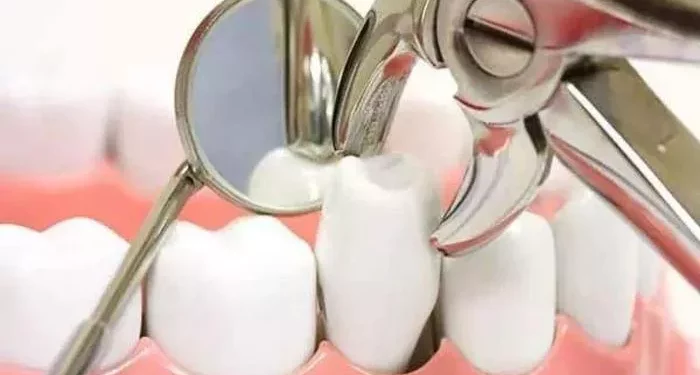
Tooth extractions are common dental procedures performed for various reasons, including decay, infection, or crowding. After a tooth is removed, the extraction site undergoes a healing process that requires special care to ensure proper recovery and prevent complications. One common question patients have is whether they can touch the extraction site. In this guide, we will explore this question and provide you with all the information you need about caring for your extraction site.
Understanding Tooth Extraction
What Is Tooth Extraction?
Tooth extraction is a procedure in which a dentist or oral surgeon removes a tooth from its socket in the jawbone.
This procedure can be necessary for several reasons, including:
Severe Tooth Decay: When a tooth is too damaged to be saved.
Impacted Teeth: Teeth that are trapped beneath the gums, such as wisdom teeth.
Periodontal Disease: Advanced gum disease that affects the supporting structures of the tooth.
Crowding: In orthodontic cases where teeth need to be removed to create space.
Types of Tooth Extractions
There are two main types of tooth extractions:
Simple Extractions: These are performed on teeth that are visible above the gum line and can be removed with local anesthesia.
Surgical Extractions: These are more complex and may involve cutting into the gum or removing bone to access the tooth.
The Healing Process After Tooth Extraction
Immediate Aftercare
After a tooth extraction, the body begins the healing process immediately.
Here’s what typically happens:
Blood Clot Formation: A blood clot will form in the socket where the tooth was removed. This clot is crucial for healing as it protects the underlying bone and nerves.
Tissue Healing: The surrounding gum tissue will begin to heal over the next few days to weeks.
Importance of the Blood Clot
The blood clot serves several important functions:
Protection: It covers the extraction site and protects it from bacteria and food particles.
Healing: It provides a foundation for new tissue to grow.
Pain Reduction: A well-formed clot can help reduce pain and discomfort during the healing process.
Can You Touch the Extraction Site?
General Recommendation
In general, it is not advisable to touch the extraction site with your fingers or any objects.
Here’s why:
Risk of Infection: Your hands may carry bacteria that can introduce infection to the extraction site.
Dislodging the Clot: Touching the area can disturb or dislodge the blood clot, leading to complications such as dry socket.
Signs of Healing
You can monitor the healing process without touching the extraction site.
Look for the following signs:
Reduction in Swelling: Swelling should gradually decrease over the first few days.
Decreased Pain: Pain should lessen as healing progresses.
Closure of the Gum: The gum tissue will begin to close over the extraction site.
Caring for the Extraction Site
Keeping the Area Clean
While you should avoid touching the extraction site, it is essential to keep the area clean:
Gentle Rinsing: After 24 hours, you can gently rinse your mouth with warm salt water to help keep the area clean. Avoid vigorous rinsing, which can dislodge the clot.
Brushing: Brush your teeth carefully, avoiding the extraction site for the first few days. After that, you can gently brush the area, but be cautious.
Avoiding Certain Activities
To promote healing, avoid the following activities:
Smoking: Smoking can interfere with healing and increase the risk of complications.
Drinking through Straws: Sucking motion can dislodge the blood clot, leading to dry socket.
Heavy Exercise: Strenuous activities can increase blood flow to the area and may lead to increased bleeding or discomfort.
Recognizing Complications
Possible Complications After Extraction
While most tooth extractions heal without issues, complications can occur.
Be aware of the following signs:
Dry Socket: This occurs when the blood clot is dislodged, exposing the bone. Symptoms include severe pain and a bad taste in the mouth.
Infection: Signs of infection include increased swelling, redness, pus, and fever.
When to Contact Your Dentist
If you experience any of the following, contact your dentist immediately:
Severe Pain: Pain that does not improve with over-the-counter pain relievers.
Persistent Bleeding: Bleeding that continues beyond a few hours after the extraction.
Fever or Chills: Signs of systemic infection.
Long-Term Care After Tooth Extraction
Follow-Up Appointments
Your dentist may recommend a follow-up appointment to check the healing process. This is an opportunity to discuss any concerns you may have and ensure everything is healing properly.
Maintaining Oral Hygiene
Once the extraction site has healed, maintaining good oral hygiene is essential to prevent future dental issues:
Regular Brushing and Flossing: Brush your teeth at least twice a day and floss daily.
Routine Dental Check-Ups: Visit your dentist regularly for check-ups and cleanings.
Frequently Asked Questions
Can I Touch the Extraction Site with My Tongue?
While it’s natural to want to explore the area with your tongue, it’s best to avoid doing so. Your tongue can introduce bacteria, and excessive touching can disturb the healing process.
How Long Does It Take for the Extraction Site to Heal?
The initial healing period typically takes about one to two weeks, during which the gum tissue will close over the socket. Complete healing of the bone can take several months.
What Should I Do If I Accidentally Touch the Site?
If you accidentally touch the extraction site, wash your hands thoroughly and avoid further contact. Monitor the area for any signs of complications, and contact your dentist if you experience unusual pain or swelling.
Conclusion
In summary, while it may be tempting to touch the tooth extraction site, it is not advisable. Touching the area can introduce bacteria, dislodge the blood clot, and lead to complications. Instead, focus on keeping the area clean through gentle rinsing and avoiding activities that can disturb the healing process.
Tooth extractions are a common part of dental care, and understanding how to care for the extraction site can ensure a smooth recovery. If you have any questions or concerns during your healing process, don’t hesitate to reach out to your dentist for guidance. Remember, proper aftercare is essential for a successful recovery and maintaining your overall oral health.
Related topics:
How Can I Speed up Gum Healing After Extraction
Does Your Face Change After Tooth Extraction
What is the Most Common Complication of Tooth Extraction?
Tags: dental carediseaseorthodonticteethtoothtooth extractionwisdom teeth