


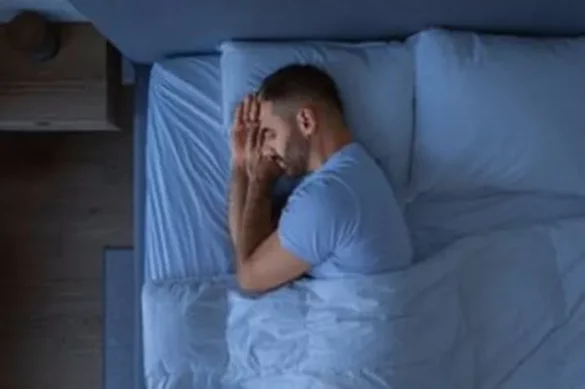
Teeth grinding, medically referred to as bruxism, is a not unusualplace sleep-associated problem which can damage each dental and standard well-being. Many humans, which include youngsters and adults, be afflicted by this involuntary habit. It regularly ends in jaw pain, broken tooth, headaches, and lots of different uncomfortable signs. While strain and different mental elements play a sizable position in triggering bruxism, latest research recommend that the manner you sleep—your slumbering function—can also have an effect on the quantity and severity of tooth grinding at night.
Understanding Teeth Grinding and Its Causes
Bruxism is the repetitive grinding or clenching of tooth, ordinarily going on all through sleep. Most humans do now no longer understand they may be grinding their tooth till signs rise up or a associate notices the noise. Common symptoms and symptoms consist of jaw pain, headaches, teeth sensitivity, and put on found all through dental visits. While the precise mechanism is complex, bruxism is related to a mixture of physical, mental, and neurological elements.
Stress and tension are main mental triggers which can boom jaw interest all through sleep. Physical elements, inclusive of the alignment of the neck and jaw, play an important position as well. Sometimes scientific situations like sleep apnea, in which respiratory is interrupted all through sleep, can also initiate bruxism. Addressing those triggers is essential for dealing with tooth grinding effectively.
How Sleeping Position Influences Teeth Grinding
Research and medical revel in recommend a clean hyperlink among slumbering posture and tooth grinding. The manner your head, neck, and jaw are placed all through sleep can boom or lower muscle tension, which immediately pertains to bruxism. Here’s how distinct slumbering positions can have an effect on tooth grinding:
Sleeping on Your Back: The Recommended Position
Sleeping to your returned is broadly taken into consideration the great function to lessen tooth grinding. In this posture, your head and neck are commonly well-aligned, with much less strain positioned at the jaw muscles. A nicely supported returned slumbering function continues the jaw in a comfortable state, discouraging clenching and grinding. A medium-corporation pillow is suggested for keeping herbal spinal alignment and assisting the airway, which can also lessen the hazard of mouth respiratory—a issue related to dry mouth and accelerated dental problems.
Side Sleeping: Risks and Benefits
Side snoozing is common, however it could have drawbacks if now no longer well supported. Lying always on one facet can exert stress on that facet of the jaw, which might also additionally make contributions to misalignment over time. Unnatural jaw stress might also additionally boom the threat of midnight bruxism, in particular in case you relaxation your hand in opposition to your face or use a pillow that’s too excessive or too low. To limit dangers, use a supportive pillow that aligns your neck horizontally together along with your spine, and location a skinny pillow among the knees for added spinal guide. Changing facets often can assist keep away from choppy facial improvement or stress on one facet of the jaw.
Stomach Sleeping: Highest Risk for Teeth Grinding
Stomach snoozing gives numerous dangers to oral fitness. Turning the pinnacle to 1 facet stresses the jaw, neck, and spine, making bruxism greater likely. This role can push the jaw out of alignment, growing the urge to clench overnight. Stomach sleepers additionally regularly press their face into the pillow, which traces facial muscular tissues and can purpose asymmetry. Increased threat of mouth inhaling this posture promotes dry mouth and cavities. Dental specialists commonly propose heading off belly snoozing altogether for all and sundry experiencing tooth grinding or jaw pain.
The Link Between Sleep Position and Other Dental Problems
It’s now no longer simplest bruxism that can be stricken by bad sleep posture. Consistent stress at the jaw from facet or belly snoozing can make contributions to malocclusion, wherein your chew is misaligned, requiring destiny orthodontic treatment. Mouth respiration, regularly provoked through airway blockages or wrong sleep positioning, can create a dry oral environment, selling cavities and gum disease. Sleep apnea, some other sleep disorder, is often visible along bruxism and mouth respiration. Addressing sleep role can guide higher respiration and decrease oral fitness dangers.
Identifying If Your Sleep Position Is Affecting Your Teeth
If you often awaken with jaw pain, aching tooth, headaches, or word clicking sounds for your jaw, your sleep posture can be contributing to bruxism. Other symptoms and symptoms encompass listening to grinding noises at night, or dental troubles like teeth sensitivity and tooth wear. Children might also additionally display symptoms and symptoms of crooked tooth in the event that they always sleep on their stomachs or facets. Dry mouth or cavities in spite of normal oral hygiene ought to factor in the direction of mouth respiration at some stage in sleep, regularly encouraged through sleep positioning. If signs persist, a dental assessment is warranted.
Professional Strategies for Managing Bruxism and Improving Sleep Position
Dentists can provide numerous remedy techniques for bruxism, such as custom nightguards to defend tooth and decrease jaw strain. A dentist might also additionally check your bite, jaw function, and speak sleep posture throughout appointments. For extra intense cases, orthodontic interventions or collaboration with ear, nose, and throat (ENT) experts can be needed, mainly if airway troubles make contributions to mouth respiratory or sleep apnea.
Pillows play a crucial function in preserving a healthful sleep function. Dental and sleep professionals advise the use of supportive pillows to sell lower back dozing and right spinal alignment. Adjust your dozing surroundings to make lower back dozing extra comfortable—this will suggest a medium-organization pillow below your head and, if necessary, smaller pillows to deter rolling onto your facet or belly. Nasal respiratory have to additionally be encouraged, as mouth respiratory reasons dry mouth and will increase the chance of dental troubles.
Additional Tips to Reduce Nighttime Teeth Grinding
Alongside optimizing sleep posture, recollect the subsequent approaches:
- Practice pressure discount strategies earlier than bedtime, consisting of deep respiratory, meditation, or mild yoga, to decrease the mental triggers of jaw clenching.
- Establish a constant sleep time table and calming bedtime recurring to sign your frame to relaxation and limit grinding.
- Avoid nighttime stimulants like caffeine and alcohol, as they are able to initiate bruxism.
- Seek expert dental assist if enamel grinding persists, as early intervention can save you extensive dental harm and jaw pain.
Conclusion
Sleeping function is extra than only a consolation issue—it performs a significant function in oral health. Evidence suggests that dozing for your lower back with right neck guide is the quality manner to restriction enamel grinding, whilst facet or belly dozing can boom jaw strain, malocclusion, and bruxism. By combining precise sleep posture, pressure management, and expert dental care, you may lessen the effect of enamel grinding and defend your smile. Addressing sleep function is a simple, sensible step that allows save you dental troubles and guarantees higher relaxation.
Frequently Asked Questions
Can dozing function by myself forestall enamel grinding?
Sleeping function can assist lessen bruxism however won’t get rid of it entirely, as pressure and different clinical elements additionally play a function.
Is lower back dozing constantly quality for oral health?
Yes, for maximum people, dozing for your lower back minimizes jaw strain and helps right alignment, decreasing the chance of enamel grinding and dental troubles.
What pillow kind have to I use?
A medium-organization pillow that helps your neck’s herbal curve is usually recommended to sell healthful alignment and consolation, mainly for lower back sleepers.
Should I use a nightguard?
If chronic bruxism or enamel harm occurs, seek advice from your dentist approximately a custom nightguard. It is secure and powerful for defensive enamel throughout sleep.
Can pressure control assist with enamel grinding?
Reducing pressure and practising rest can appreciably decrease the threat of midnight jaw clenching and enamel grinding.