


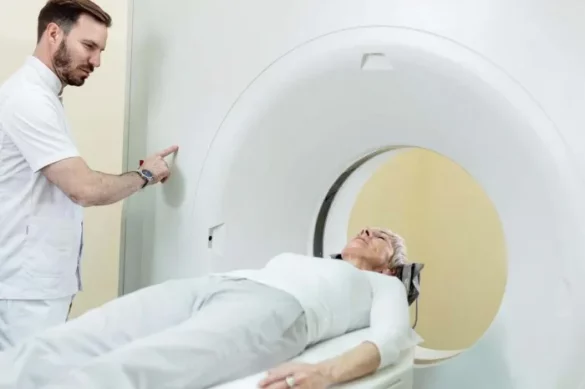
Patients with dental implants often ask if it is safe to have an MRI scan. Because MRI technology uses strong magnets and radio waves to create detailed images of the body, concerns about metal components in dental implants are common. Understanding how dental implants interact with MRI machines helps patients make informed decisions about their health.
What Is an MRI and How Does It Work?
MRI, or Magnetic Resonance Imaging, is a medical technique used to generate detailed pictures of organs, tissues, and bones. The MRI machine creates a strong magnetic field and uses radio waves to transform signals from the body into precise images. Doctors use MRIs to diagnose problems in areas like the brain, heart, joints, and other vital organs. To ensure clear images, patients are usually asked to remove any metal objects, such as jewelry or watches, before the procedure begins.
dental implants: Materials and Compatibility
dental implants are artificial tooth roots inserted into the jawbone to support crowns, bridges, or dentures. They are most often made from titanium or zirconia. These materials are favored because they are strong, durable, and well-tolerated by the human body.
titanium and zirconia are not ferromagnetic, which means they do not react strongly to magnets. This property is important in MRI safety. Unlike steel, nickel, or cobalt, titanium and zirconia implants will not be significantly affected by the magnetic field produced by the MRI scanner.
MRI safety With Modern dental implants
For most people with modern titanium or zirconia dental implants, undergoing an MRI is considered safe. These materials do not heat up, move, or pose significant risks during scanning. Medical imaging professionals are familiar with these materials and routinely perform MRIs on patients with dental implants.
Sometimes, a small image distortion may occur near the implant site, especially if the scan focuses on the mouth or jaw. These minor artifacts rarely prevent doctors from obtaining the clinical information they need. It is important to discuss any dental implants or devices with your healthcare provider before scheduling an MRI.
Older and non-standard implants: What Are the Risks?
Not all dental implants are MRI-safe. older implants, and some experimental or custom designs, may contain metals such as stainless steel, cobalt-chromium alloys, or nickel. These metals react to magnetic fields. Their presence can lead to movement, heating, or larger image distortions during MRI scans. Temporary implant components, like nickel-based healing caps or non-titanium posts, can also present risks.
If you have older or non-standard dental work, it is important to tell your doctor or MRI technician. They may need to review your dental records or use alternative imaging techniques to ensure safety and accuracy.
MRI Scans of the Head and Jaw With dental implants
You can generally have a head or jaw MRI even with dental implants. The implant may appear as a small shadow or distortion on the image, but radiologists know how to adjust their scanning protocols to minimize these effects. Modern MRI machines and techniques are designed to reduce artifacts caused by dental materials.
Sometimes, if image clarity is critical or major distortions are expected, your doctor might recommend another type of scan, such as a CT scan. However, most situations will allow for safe and effective MRI imaging.
dental crowns, Bridges and Other oral devices
Patients may also be concerned about other dental items such as crowns, bridges, or dentures. The impact of these items varies by material:
- Porcelain, ceramic, and resin do not interfere with MRI scans.
- metal components, like gold or nickel, can cause minor image distortions or mild warming, but they rarely cause safety issues.
For removable items, such as dentures, patients are usually asked to take them out before the scan.
Preparing for an MRI With dental implants
To guarantee the best results, communicate openly with your healthcare team before your scan. Here are some practical steps:
- Inform your provider: Share details about your dental implants, including type, material, and their location.
- Review dental history: Ask your dentist for information if you are unsure about the type of implant used.
- Remove metal accessories: Take out removable dental devices, jewelry, glasses, and wear clothing without metal zippers or fasteners.
- Follow all instructions: Your healthcare provider may give you specific guidelines about eating, drinking, or medications before the scan.
- Use comfort aids: MRI machines can be noisy, so tell your technician if you would like earplugs or headphones during the procedure.
- Stay still: Remaining still during the MRI helps get clear and accurate images.
Potential Risks and Rare Complications
For most patients with titanium or zirconia dental implants, MRIs carry minimal risk. However, rare issues may include:
- Minor discomfort if the implant is near a sensitive area.
- Slight vibration or warmth from older implants containing magnetic metals.
- image distortion near the implant, which could obscure tissue details.
- Unpredictable reactions if custom implants or non-standard components are present.
If contrast dye is used, allergic reactions may happen, but these are unrelated to dental implants.
What Should Patients Do?
Communication is essential. Always tell your doctor, radiologist, and dentist about any dental implants or devices in your body.
This ensures that everyone is prepared and precautions can be taken if necessary. If you have doubts about the materials used in your dental work, contact your dentist for confirmation before the MRI scan.
Conclusion
Most modern dental implants do not prevent you from having an MRI scan. titanium and zirconia implants are MRI-compatible, and image distortion is usually minor and manageable. By informing your healthcare providers about your dental history and following their advice, you can expect a safe and comfortable experience. If you have older or custom dental work, sharing the details ensures that your doctors can choose the best imaging technique for your needs.
FAQs
Can you see dental implants on MRI?
Yes, dental implants will appear on an MRI image, but they typically cause only small distortions that do not block important information.
Do dental implants have to be removed before MRI?
No, dental implants do not need to be removed. For removable devices like dentures, these should be taken out before scanning.
Are dental implants a problem for MRI?
dental implants made from titanium or zirconia are usually not a problem. Some older or non-standard implants may cause complications. Always inform your doctor.
What should I tell my doctor before an MRI?
You should share details about your dental implants, including type, material, and location. If you are unsure, ask your dentist for this information.
Can I get an MRI with metal in my mouth?
Yes, but you need to inform your doctor about any metal so they can plan properly and ensure safety and accuracy.